


Choose women's shorts by intended use, length, and silhouette
When choosing women's shorts, consider their intended use, leg length, and desired shape. Relaxed leisure shorts serve a different purpose than a model designed for sports. Compare the waistband, pockets, and freedom of movement with the top and shoes you intend to wear with them. This way, you create a pair of shorts with a clear place in your outfit.
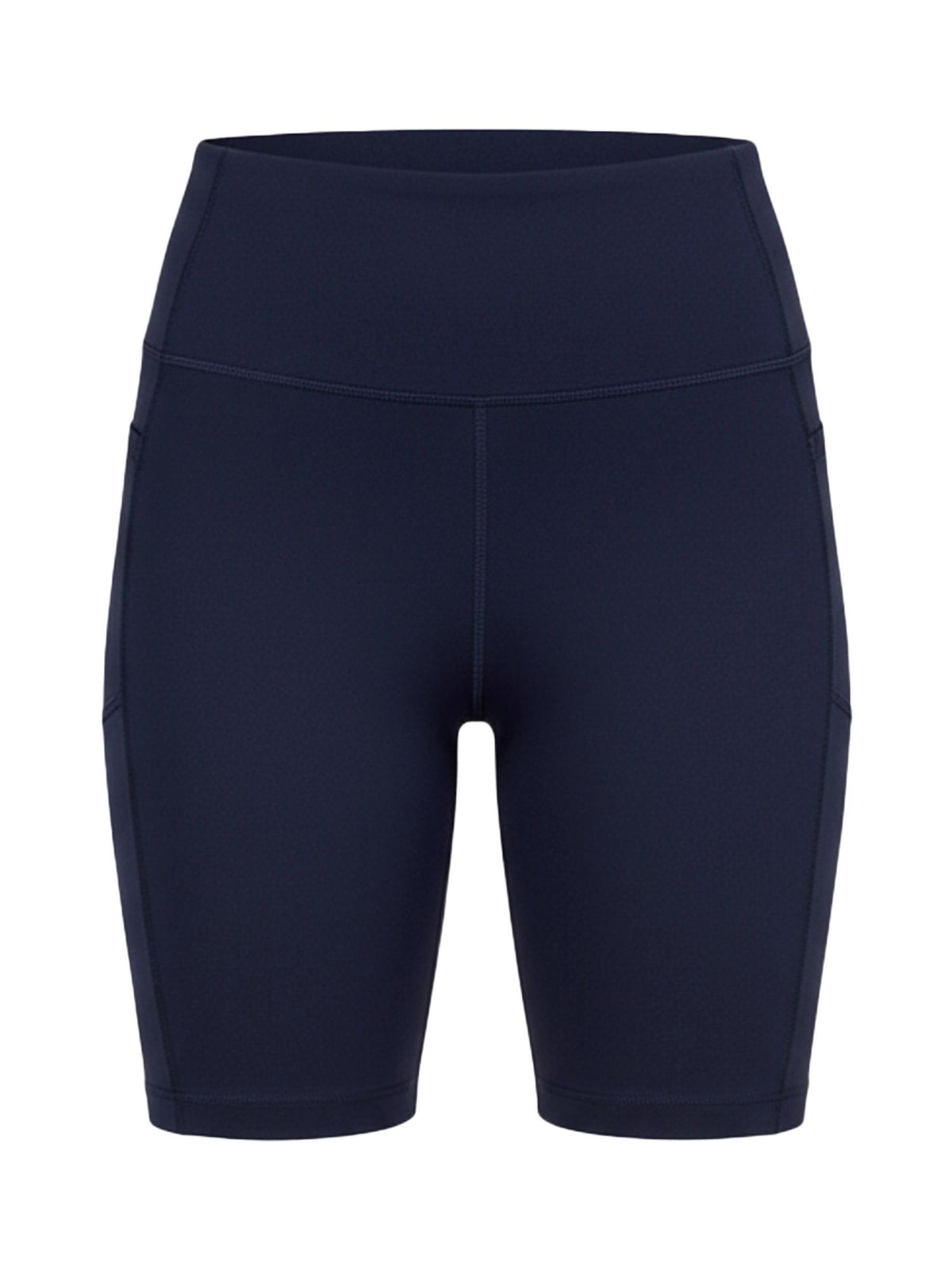
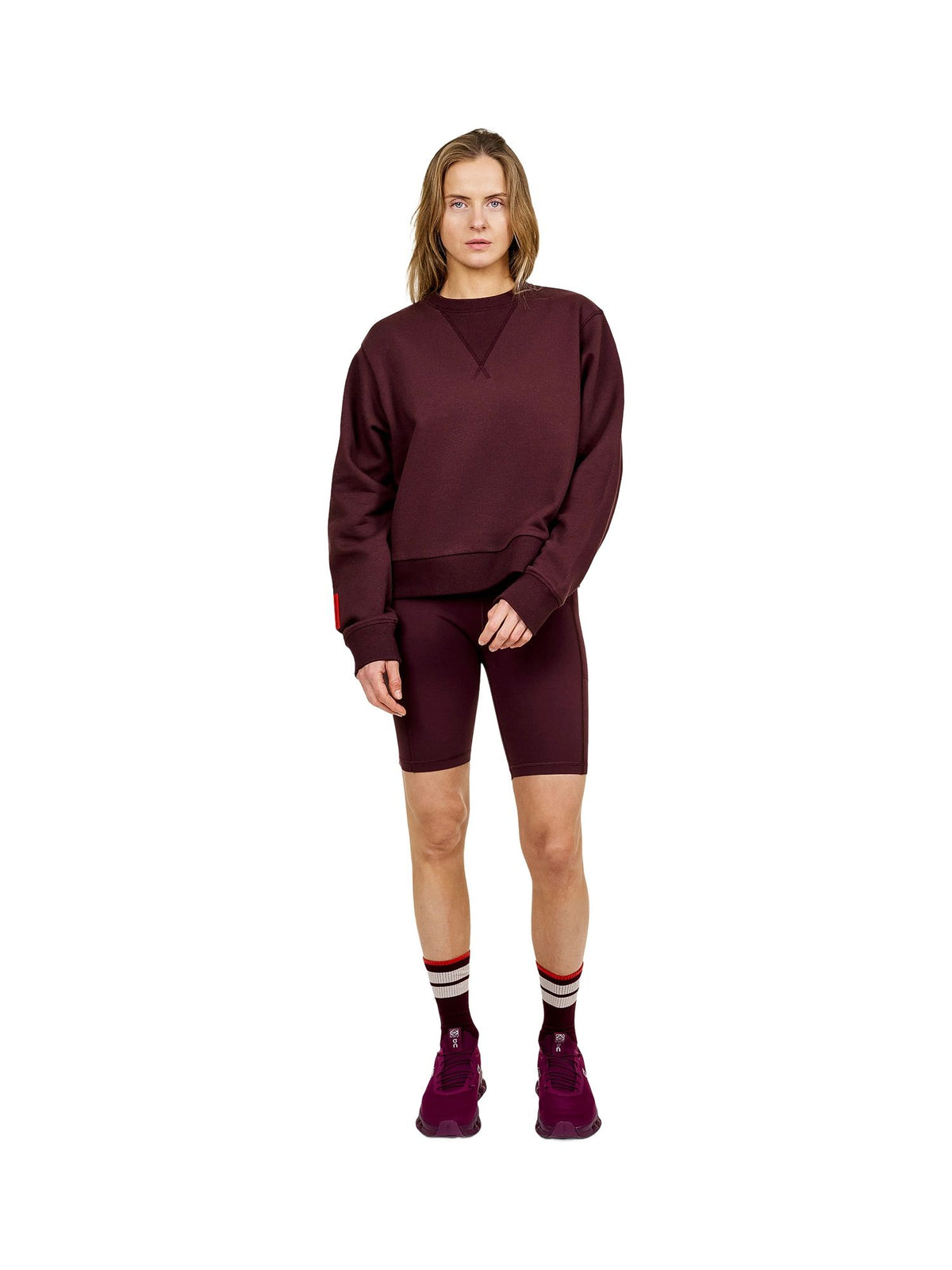


Choosing women's shorts by occasion and activity
Shorts can complement a relaxed leisure outfit or be used as a specifically designed model for sports. You should distinguish between these roles. Casual sweat shorts and tight-fitting sports shorts differ not only in appearance. Cut, material, and features each belong to the intended use. Therefore, start by asking when you actually want to wear the shorts.
For leisure and travel, you can focus more on fabric feel, pockets, and combination. For sports use, the described purpose and movement are also key. A sporty color or an elastic waistband alone does not indicate a technical function. First decide on this basis, and then compare the desired leg length and silhouette within suitable models.
Assessing leg length in a complete outfit
The visible length of shorts results from the inseam length, waistband position, and cut. A higher waistband changes the proportion just as much as a wide hem. Therefore, don't just compare "short" or "long." Try on the shorts in the position you want to wear them and view them with the intended top. This will make it clear how the upper and lower body are structured in the look.
When trying them on, move naturally, sit down, and take a few steps. The hem may behave differently than when standing. The decisive factor is whether the actual coverage and freedom of movement suit you. A different waistband position should not be constantly necessary to achieve the desired length. If the cut does not fit, a different style is often more sensible than simply changing the size.
Loose leg or close-fitting style
Wider-cut shorts fall around the leg and can visibly move with you when walking. A close-fitting style fits differently and requires a suitable combination of cut and material. Both variations have their own requirements for the waistband, hips, and thighs. A tight fit should not only appear suitable due to excessive stretching; a loose fit should not be tight in important areas just because the hem is generous.
When trying on wider shorts, check how much fabric gathers in the crotch area when sitting. For a close-fitting style, it's interesting to see if the waistband and leg openings remain comfortable when moving. These observations help to compare the styles specifically. The desired look should result from the appropriate construction and not from deliberately choosing a differently cut model that is too large or too small.
Choosing waistband height and closure for your everyday life
The waistband determines where the shorts sit and how they connect with the top. An elastic construction can feel different from a clearly shaped waistband solution. Adjustment options regulate the intended circumference but do not arbitrarily change the hip and crotch area. Therefore, assess the fit completely. A tighter waistband is not a general solution for pants whose overall shape doesn't fit.
Also, consider how the closure fits your use. For leisure shorts, visible drawstrings or details can define the look. For other uses, other priorities may be more sensible. Check whether the waistband feels comfortable when sitting and whether other garments create additional bulk there. This interplay is especially important if you like to tuck in tops.
Don't just visually compare pockets and details
Pockets can make shorts practical, but they also change their surface area and drape. Side pockets are different from patch pockets. Consider what items you actually want to carry and whether the design is intended for that. A photo with empty pockets doesn't always show how the shape changes with use. Therefore, check the position and closure in relation to your movement.
Hems, slits, or different inserts are also part of the specific design. They can serve a purpose in the cut or primarily have a visual effect. Do not infer any additional function from them if it is not described. First, compare whether the detail remains comfortable when worn, and then decide whether you like the effect. Shorts don't need to have as many elements as possible to fulfill your purpose well.
Combining leisure shorts for a complete look
Loose shorts can be combined with a simple shirt for an uncomplicated outfit. A striking top can set the focus, while the shorts create order underneath. With women's T-shirts, you can compare suitable lengths and necklines. If both pieces are wide-cut, a conscious decision about how much of the waistband should remain visible helps.
A hoodie creates a different proportion. A longer top can cover a large part of the shorts, while a shorter style leaves them clearly visible. In hoodies and sweaters for women, you'll find the right direction for this construction. Consider the combination with your shoes, not just as two separate garments. The visible hems define the finished look.
Choosing athletic shorts based on their intended use
If you're looking for shorts for activity, check the product description and the specific material construction. A close-fitting style, a light fabric, or an inner layer can serve a different purpose depending on the model. Not every pair of shorts with a sporty appearance is intended for the same activity. Choose based on what movements you actually want to perform and what the manufacturer intends for that.
With women's sportswear, you can add suitable top layers. Try on the shorts with the intended top and consider transitions at the waistband. An additional layer underneath is also part of the fit. Don't just assess how the shorts look when standing, but whether the combination feels comfortable during your typical movements.
Distinguishing shorts from skirts and long athletic pants
A short leg length does not yet tell you whether you have shorts, a skirt style, or a differently constructed product in front of you. Check the actual item description and the views. If you are specifically looking for a different silhouette, the appropriate product group may be a better choice than trying to categorize every short style under the same notion. The construction of the specific piece is decisive.
If more leg coverage is part of your needs, compare women's athletic pants. Longer pants and shorts fulfill different tasks, even if the color or material seem similar. The decision should arise from your occasion. You don't have to choose a short style if you feel more comfortable in a different length for the planned use.
Include material feel and care in your decision
Sweat, smooth fabrics, and close-fitting constructions can feel different. The specific composition only explains part of it; workmanship and cut are just as important. Choose based on the finished model and your preferred wearing comfort. A single fiber designation proves neither opacity nor a specific sports function. Such information must belong to the actual execution.
Finally, pay attention to the care label, especially for prints, inserts, and different material sections. A frequently worn item should suit your habits. If the use, waistband, and leg length are right, you can specifically choose the color and details. The right women's shorts will then complement a clear combination and allow you the movement you need in your everyday life or during your intended sport.
04At FREUDENHAUS
05Questions about the category