


Women's Sports Pants: Mobility, Waistband, and Leg Style
Women's sports trousers fit well when the waistband, leg cut, and fabric work with your movements. Compare close-fitting and loose styles, check length and opacity, and differentiate between outer sports trousers and lingerie leggings. This way, you'll find a bottom that suits your actual intended use.


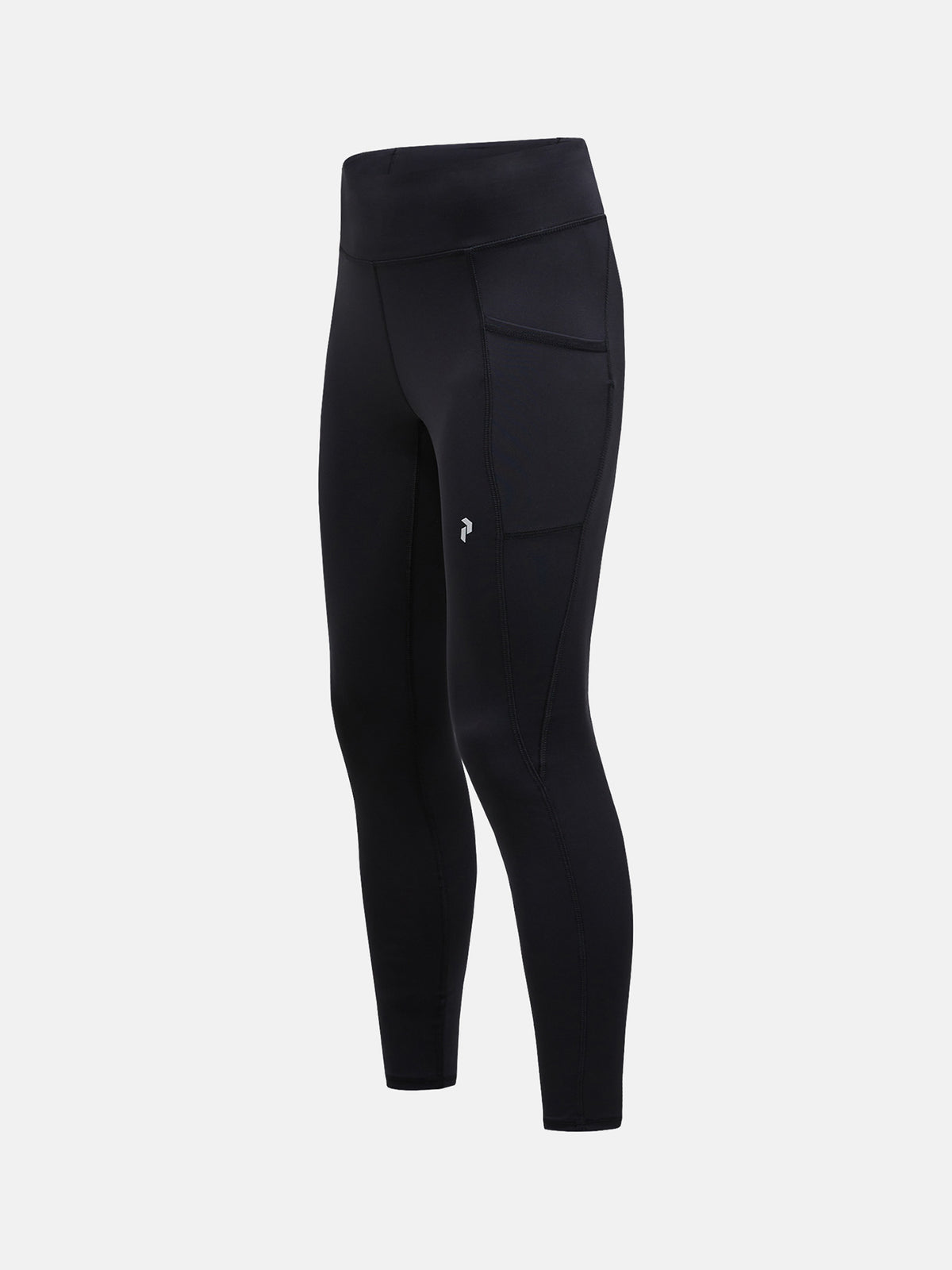


Choosing Women's Sports Pants According to Their Intended Use
Women's sports pants should fit comfortably for the movements you plan to make in them. The first step, therefore, is to distinguish between outer sports pants, close-fitting base layer leggings, and pants with a sporty casual look. Similar forms can serve different purposes. Decide whether you are looking for a model to wear on its own or a layer to wear under other clothing. This creates a more sensible pre-selection than silhouette alone.
Then imagine a typical use: Do you frequently bend your knees, sit down periodically, or take large strides? Do you wear a short or long top with them? Your answers will determine which details become important. A striking surface can be interesting for a casual outfit; for repeated movement, fabric stretch and seam placement may be paramount. The suitability for a specific sport must be evident from the model's specifications.
Comparing Tights and Loose Sports Pants
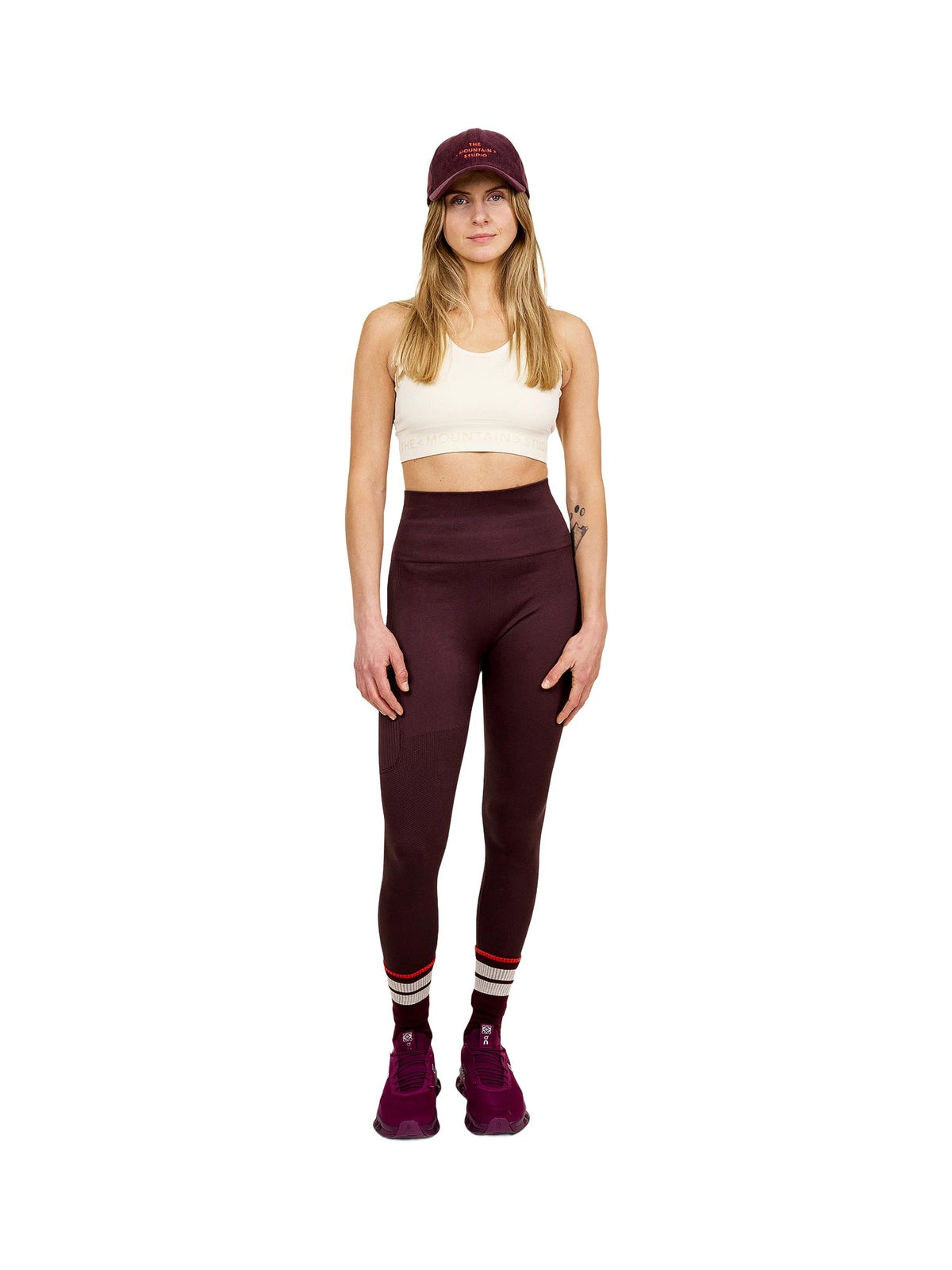
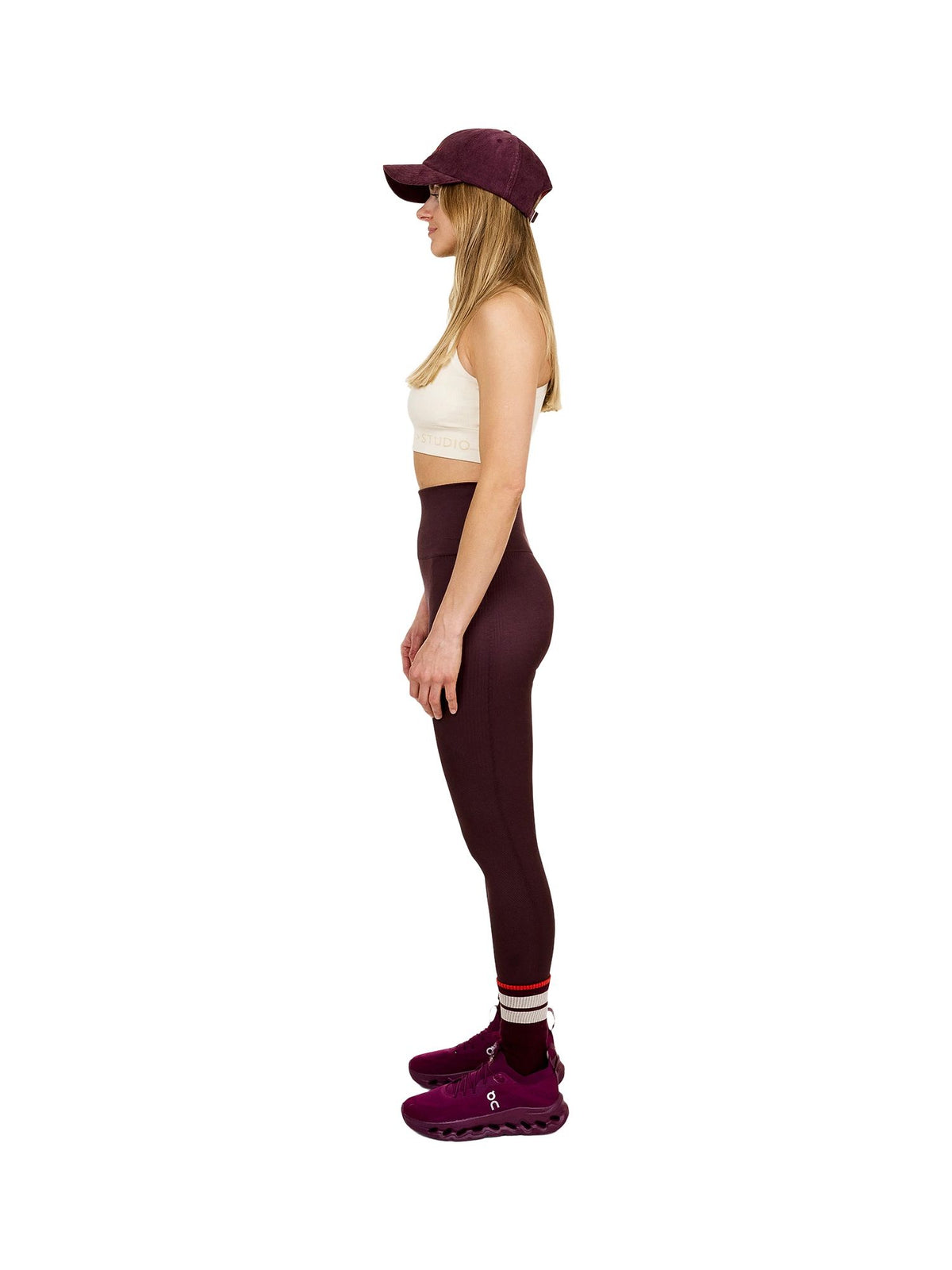
Tights follow the leg closely and therefore require elasticity that matches the cut. Make sure the fabric retains its intended shape even when squatting and that no uncomfortable pull lines form. Close-fitting does not automatically mean compressive. Compression is a separate, explicitly described product feature. Therefore, do not choose a smaller size expecting to create an additional athletic function in this way.
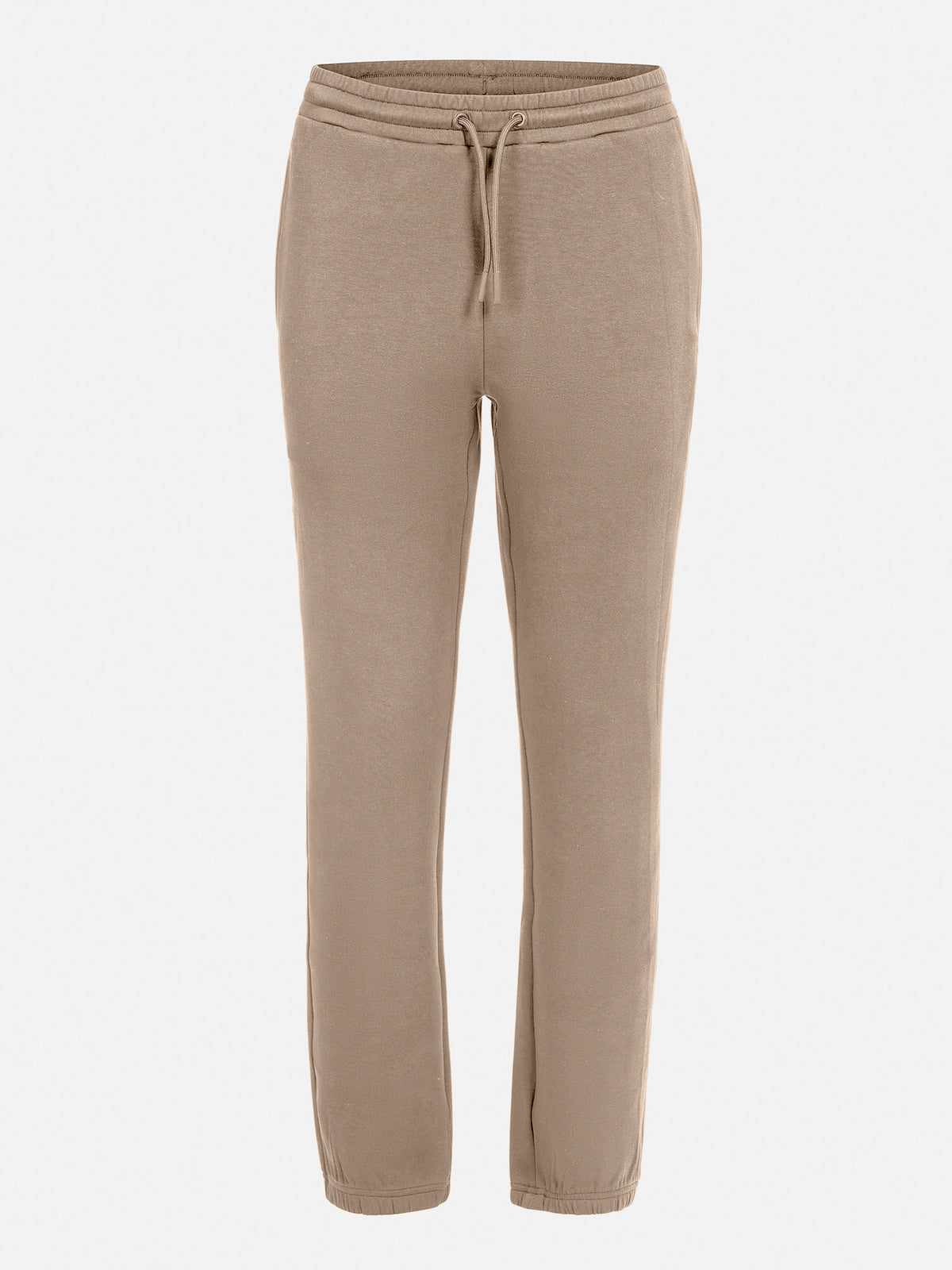
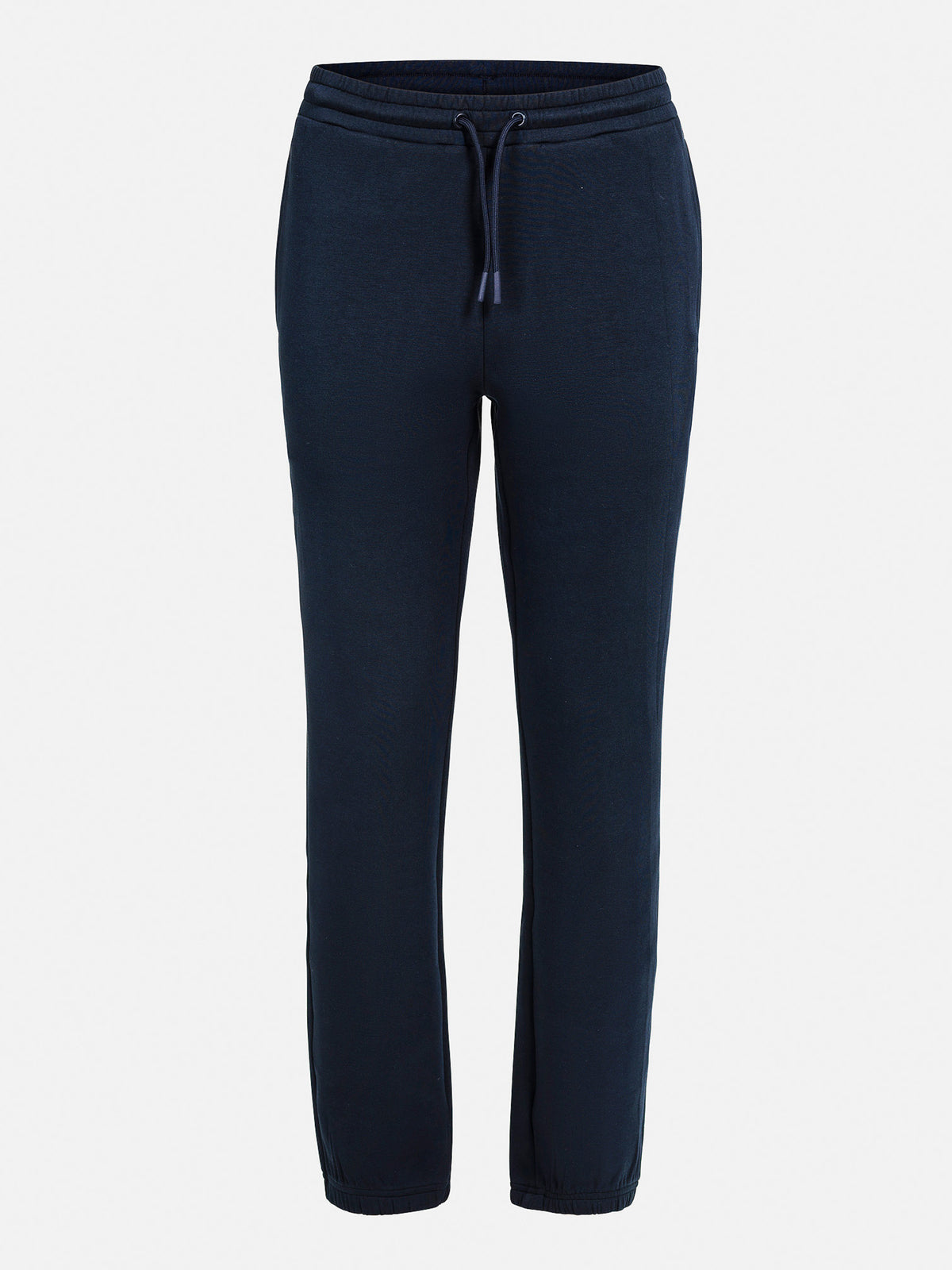
Loose sports pants offer more fabric space between the body and the outer surface. Here, the leg cut is particularly important: ample width at the thigh can be combined with a narrow ankle cuff. Check whether the fabric snags at the knee when bending and whether you can comfortably position the hem in your intended shoes. Both forms can be suitable for an active outfit. Which is more comfortable depends on movement, fabric, and your personal wearing sensation.
Waist Height and Support Without Constant Adjusting
The waistband determines where the pants sit and how they connect with your top. A higher waistband covers more torso area, but may feel different when sitting than when standing. A lower waistband changes the coverage when arms are raised. Check both situations with the shirt you intend to wear. The waistband should comfortably maintain its position without making you feel constricted or needing constant readjustment.
If an adjustment is present, test it not only in its loosest state. You should be able to achieve the desired width without creating an uncomfortable fabric bunching. Also pay attention to the position of knots, cord ends, or fasteners, especially when bending. A suitable waistband shape cannot be determined solely by the stated clothing size. Hip shape, rise, and the distribution of width are all part of the same decision.
Checking Mobility and Opaque Qualities Together
When trying them on, perform controlled squats and large strides. The fabric should not pull so tightly at the hips and knees that movement becomes uncomfortable. At the same time, excess material should not form thick folds. In close-fitting pants, stretching visibly alters the surface. Therefore, also examine the back area and knees under normal lighting conditions. Whether pants meet your desire for opacity is more reliably shown in movement than in a flat product photo.
For this test, choose the underwear you intend to wear with the pants. Edges and colors can show through differently. If you therefore constantly need a particularly long top, even though you actually want to wear a short one, the combination may not suit your intentions. Opacity and a comfortable fit are independent questions; a larger size does not automatically solve every material or combination issue.
Seams, Pockets, and Small Items
The placement of a seam often only becomes noticeable with repeated movement. Check the inner leg, knee area, and the transition to the waistband. A seam can be visible and still lie comfortably; its contact in your typical positions is crucial. If you are sensitive to certain areas, compare the cut of several models. This will give you a more concrete criterion than the general description of a sporty or comfortable design.
When it comes to pockets, consider what you actually want to carry in them. A phone can sit differently in a side pocket than at the waistband or hip. Test the position with an item of similar size and move again. A pocket is only helpful if its contents do not rattle uncomfortably, press, or pull the pants down. For very intense use, fewer pocket contents may be more comfortable than a large number of compartments.
Coordinating Leg Length and Shoes
The right length depends not only on your height. Inseam length, rise, and leg opening influence where the hem actually ends. With narrow pants, an overly long hem can form wrinkles at the ankle. Wide styles, on the other hand, should not unintentionally get caught under the sole. Therefore, try on the pants with your intended shoes and also check the fit when walking, not just barefoot in front of the mirror.
For cropped lengths, the visible area between the hem and the shoe is part of the design. Consider which socks you want to wear with them and whether this combination suits your intended use. You can also find women's sports shoes. The shoe choice follows its own purpose; a sporty-looking shoe model does not turn fashion pants into technical sportswear. Decide the function of each part and then the complete outfit.
Clearly Distinguishing Between Underwear, Casual Wear, and Ski Pants
A base layer legging is designed as part of a layering system. Whether you want to wear it on its own depends, among other things, on the material construction, opacity, and manufacturer's specifications. In women's functional underwear, this first layer is the focus. Outer sports pants, on the other hand, are chosen as a standalone bottom. The fact that both can be close-fitting does not negate the difference between their intended purposes.
If you are looking for comfortable bottoms primarily for travel and everyday wear, also compare women's casual pants. For the slopes, the appropriate path leads to women's ski pants. Sports pants do not automatically acquire weather protection or features from an additional warm layer. This clear categorization simplifies your search and prevents you from choosing a garment merely based on a similar name.
You can also consciously plan the combination for your journey to the activity. If the same pants are to function in everyday life afterwards, also evaluate pockets and appearance in that situation. Their athletic suitability remains tied to the specific design.
Sensibly Completing Your Sports Outfit
Finally, coordinate waistband height and shirt length. A tight bottom can be combined with a loose top; similarly, wide pants can look balanced with a shorter shirt. The mobility of the entire combination remains crucial. In women's sports T-shirts, you will find complementary options for necklines, sleeves, and coverage. Check the clothing together so that the desired silhouette is maintained even during movement.
Include care labeling in your selection, especially for coated surfaces, prints, or embellishments. These details may require different care than a simple functional fabric. If two pairs of pants look similar, prefer the model whose described use, fit, and handling suit you. Well-fitting women's sports pants will move with you and integrate into the clothing you actually want to wear.
04At FREUDENHAUS
05Questions about the category