


Men's winter boots to suit your winter walks
Men's winter shoes accompany you on cold daily commutes and during leisure time after sports. Compare warmth, wet weather protection, and sole separately, and match shaft height and size to your clothing. Here you'll find guidance on winter boots, suitable socks, materials, and which construction fits your typical winter day.


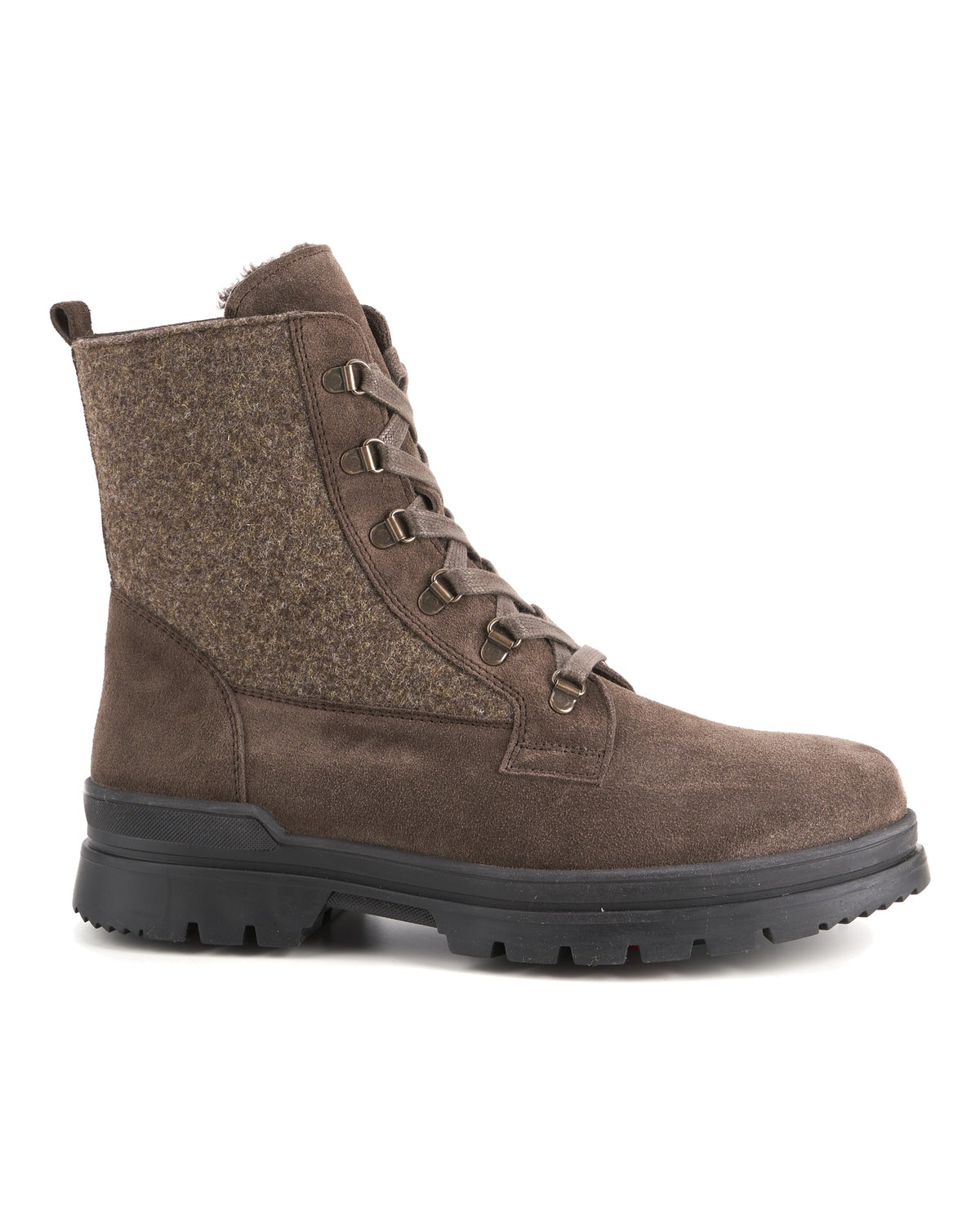
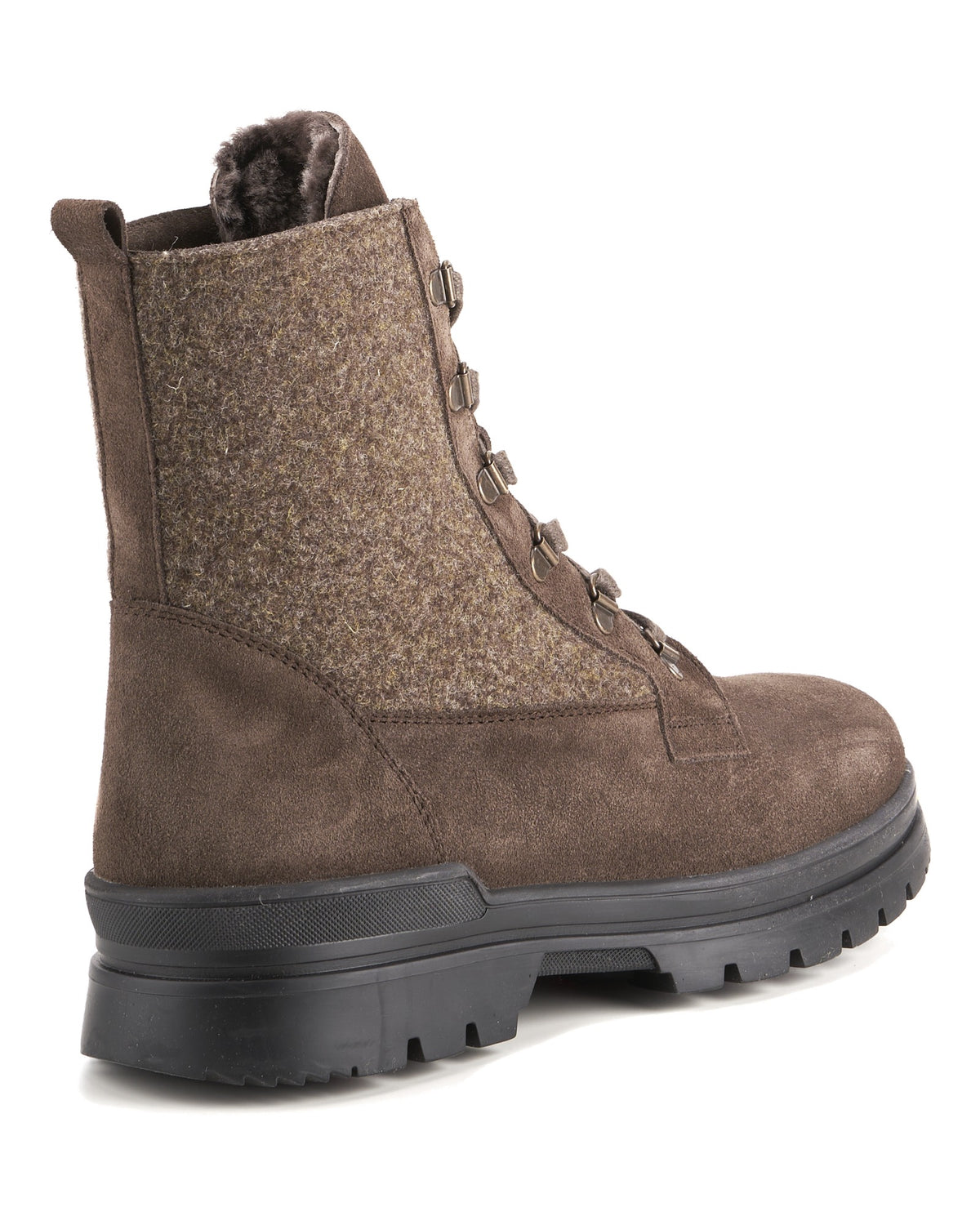
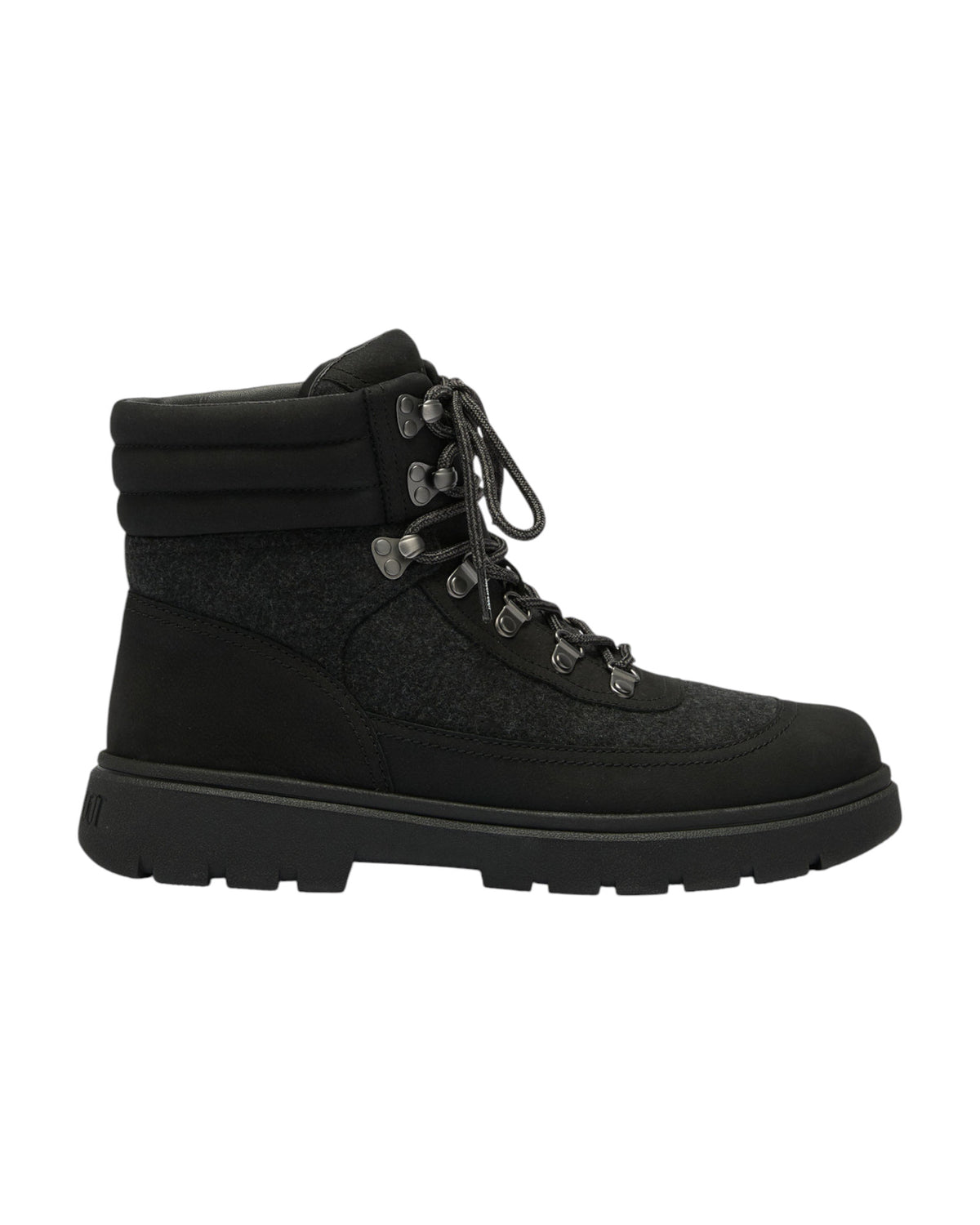
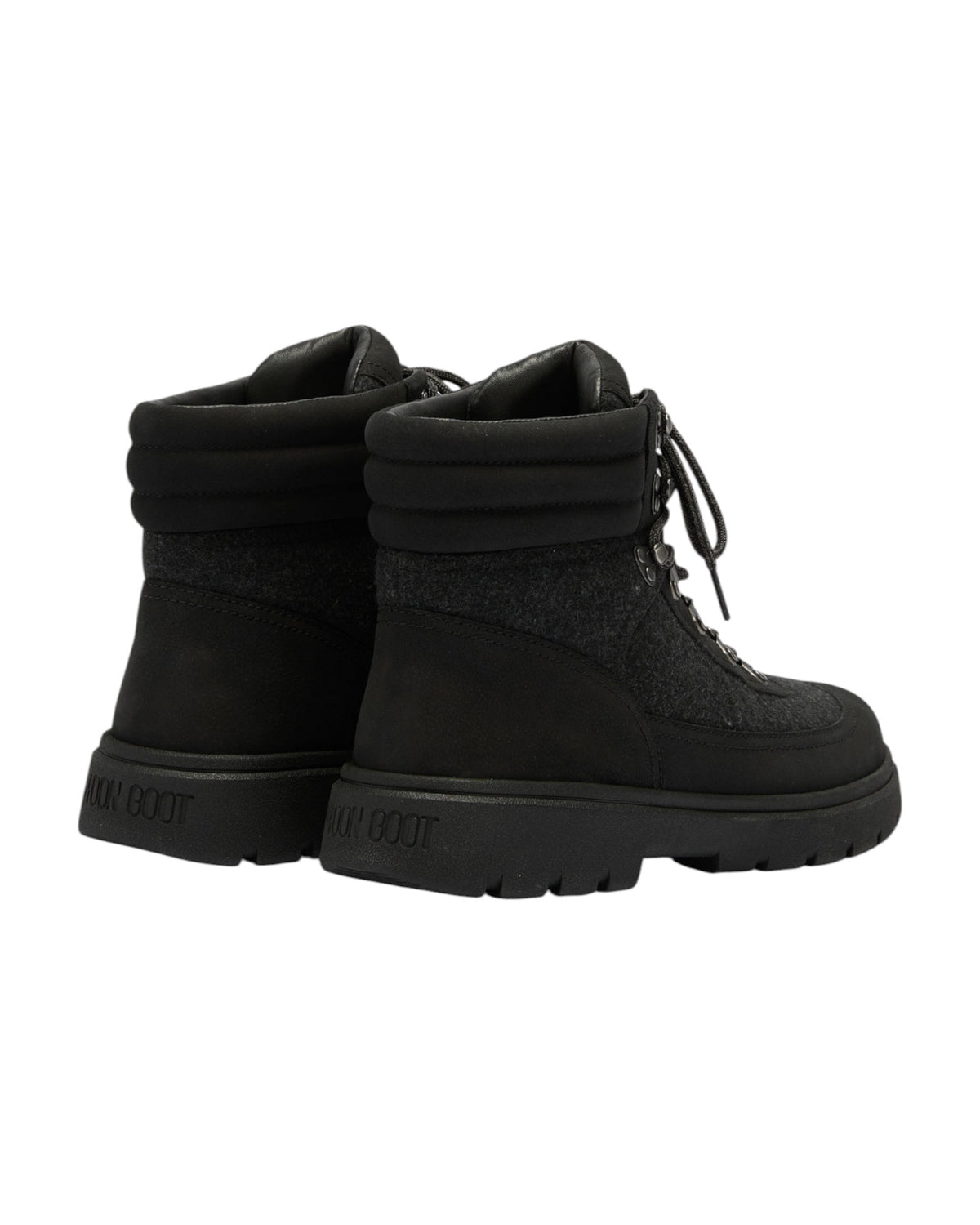



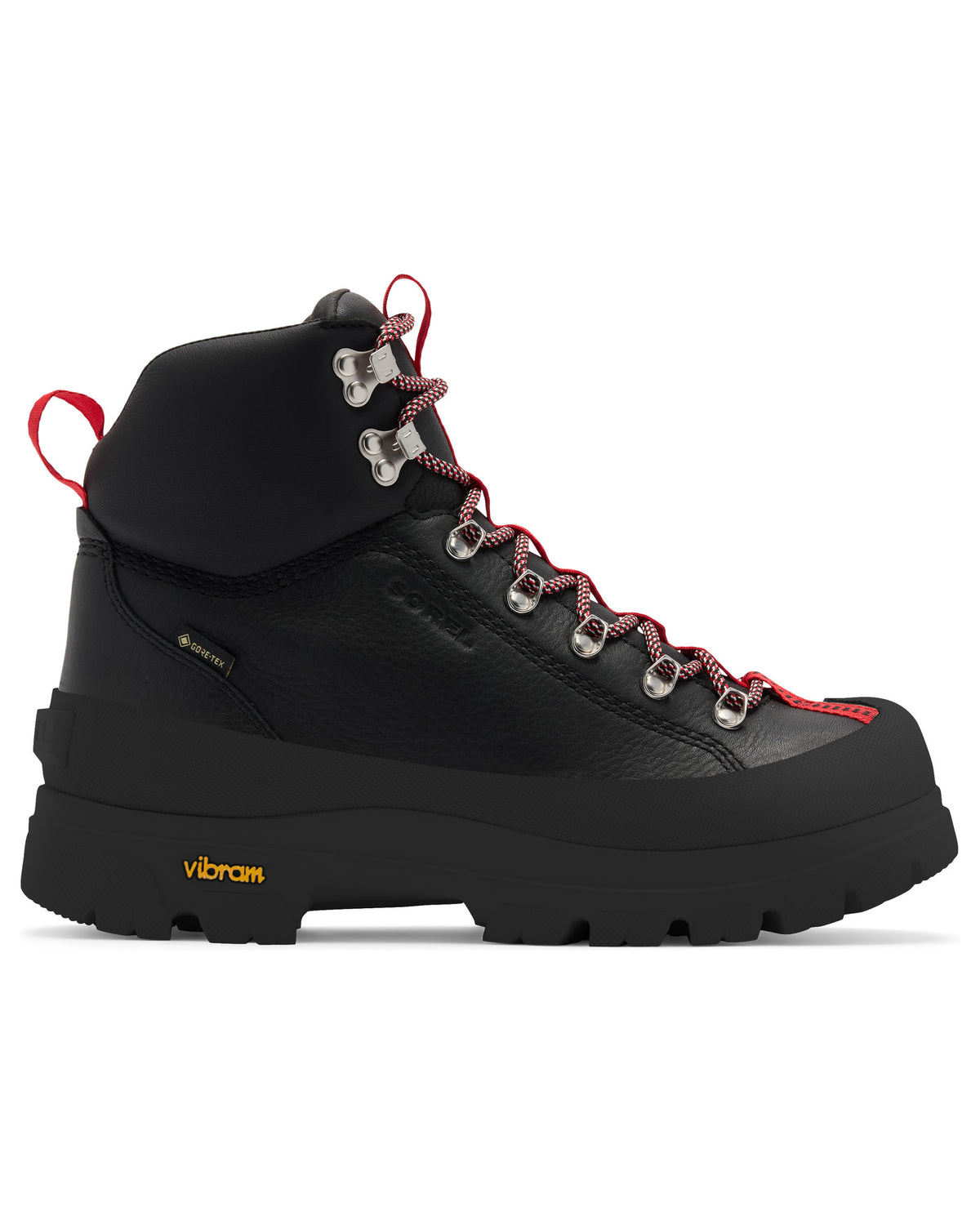
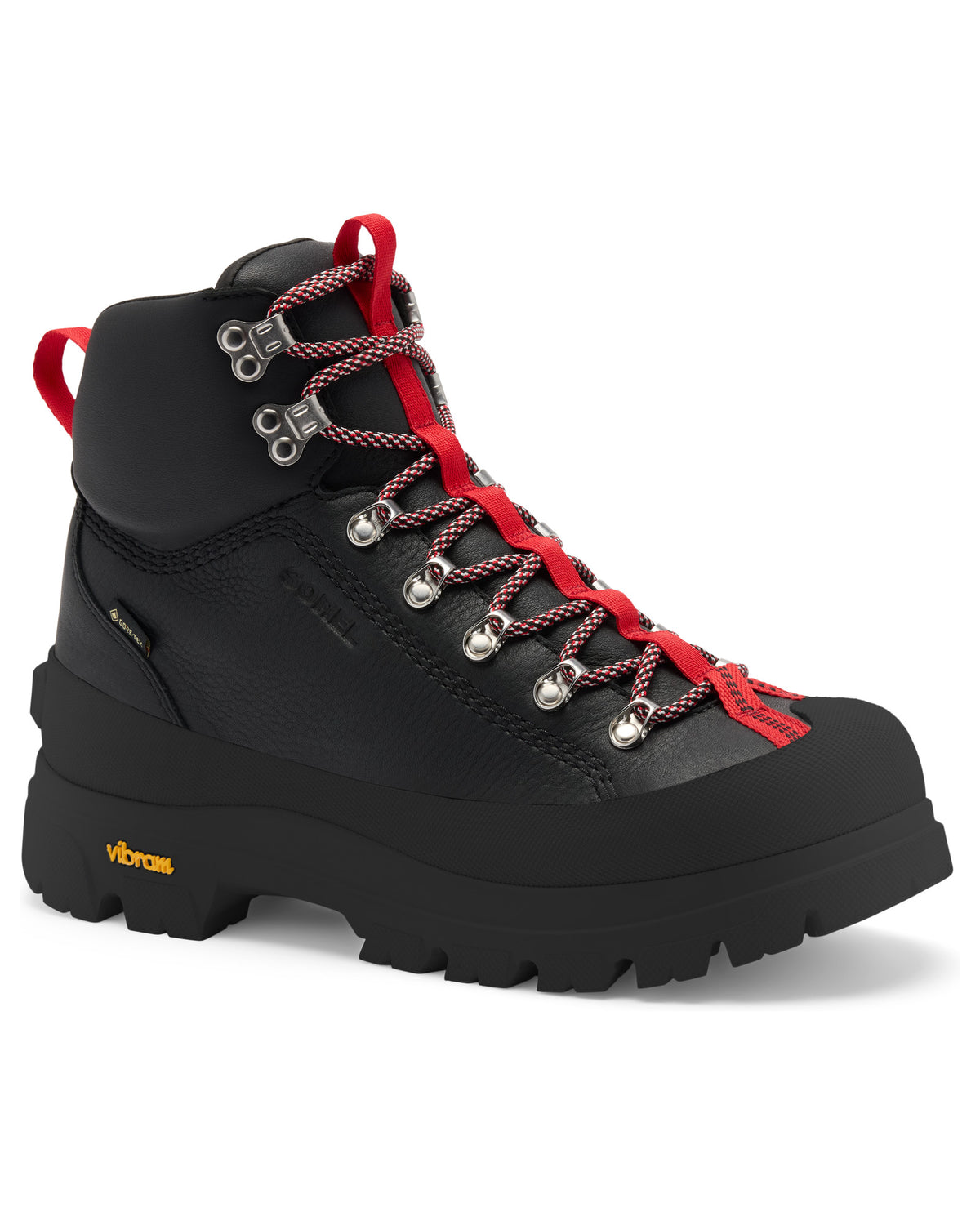
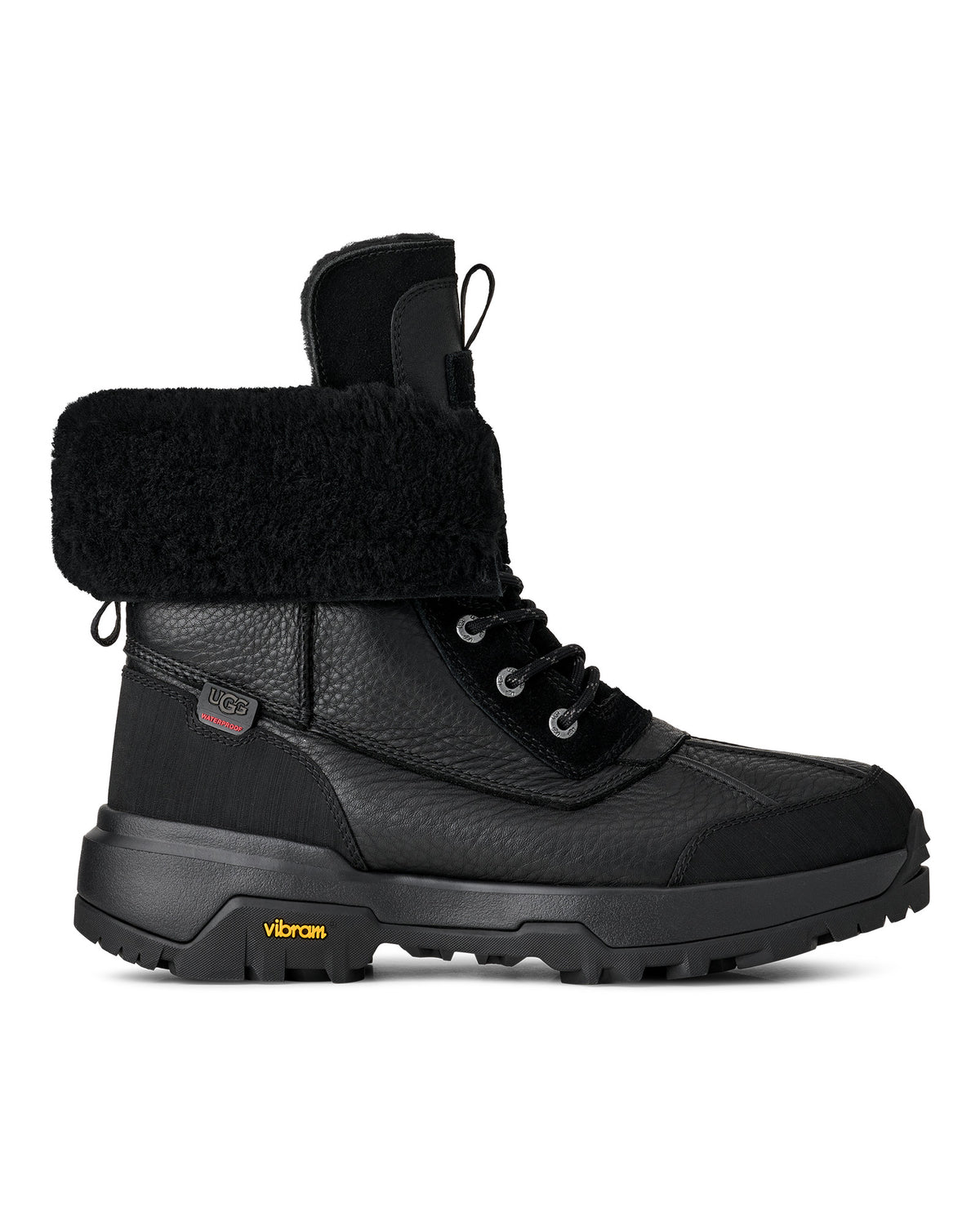
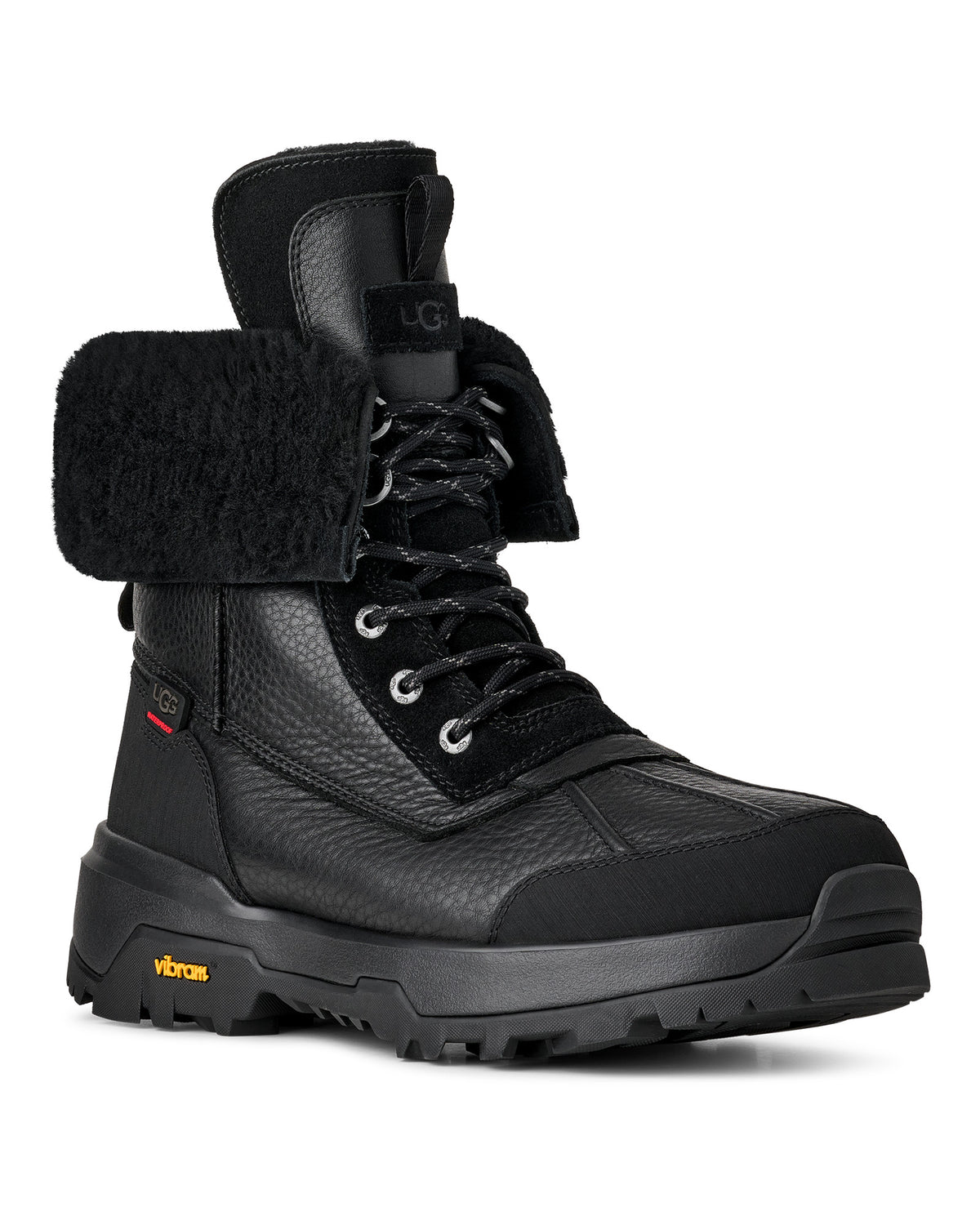

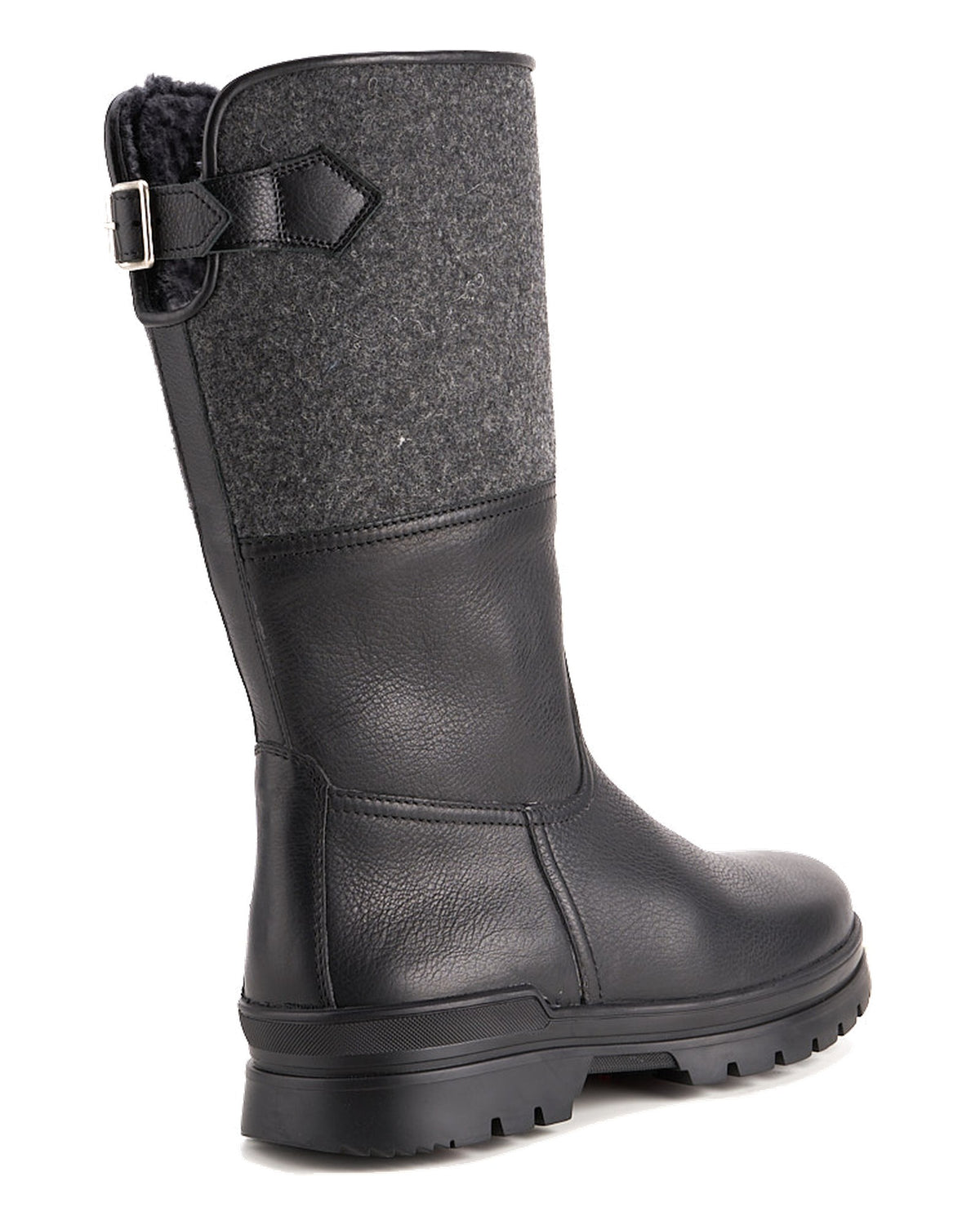


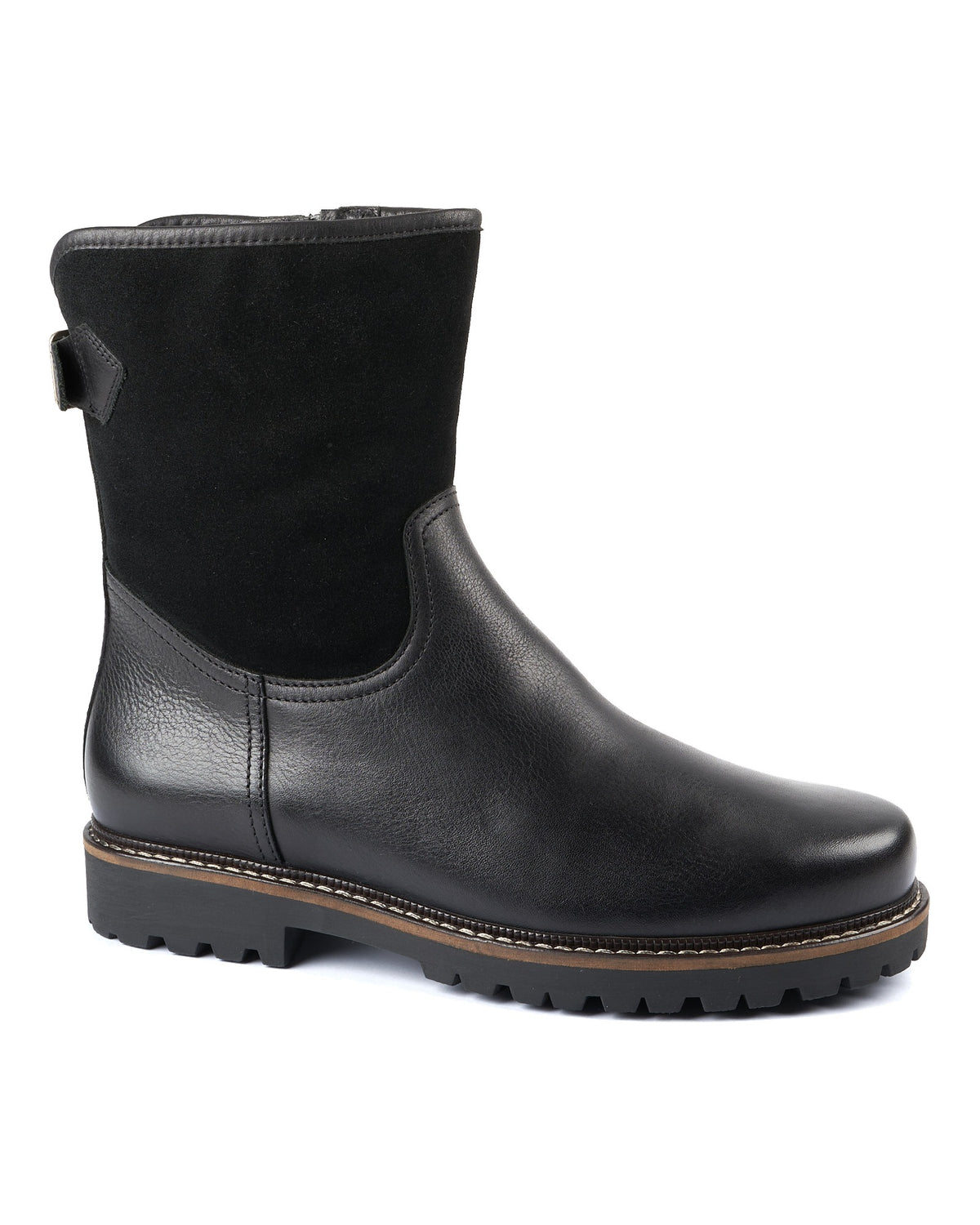
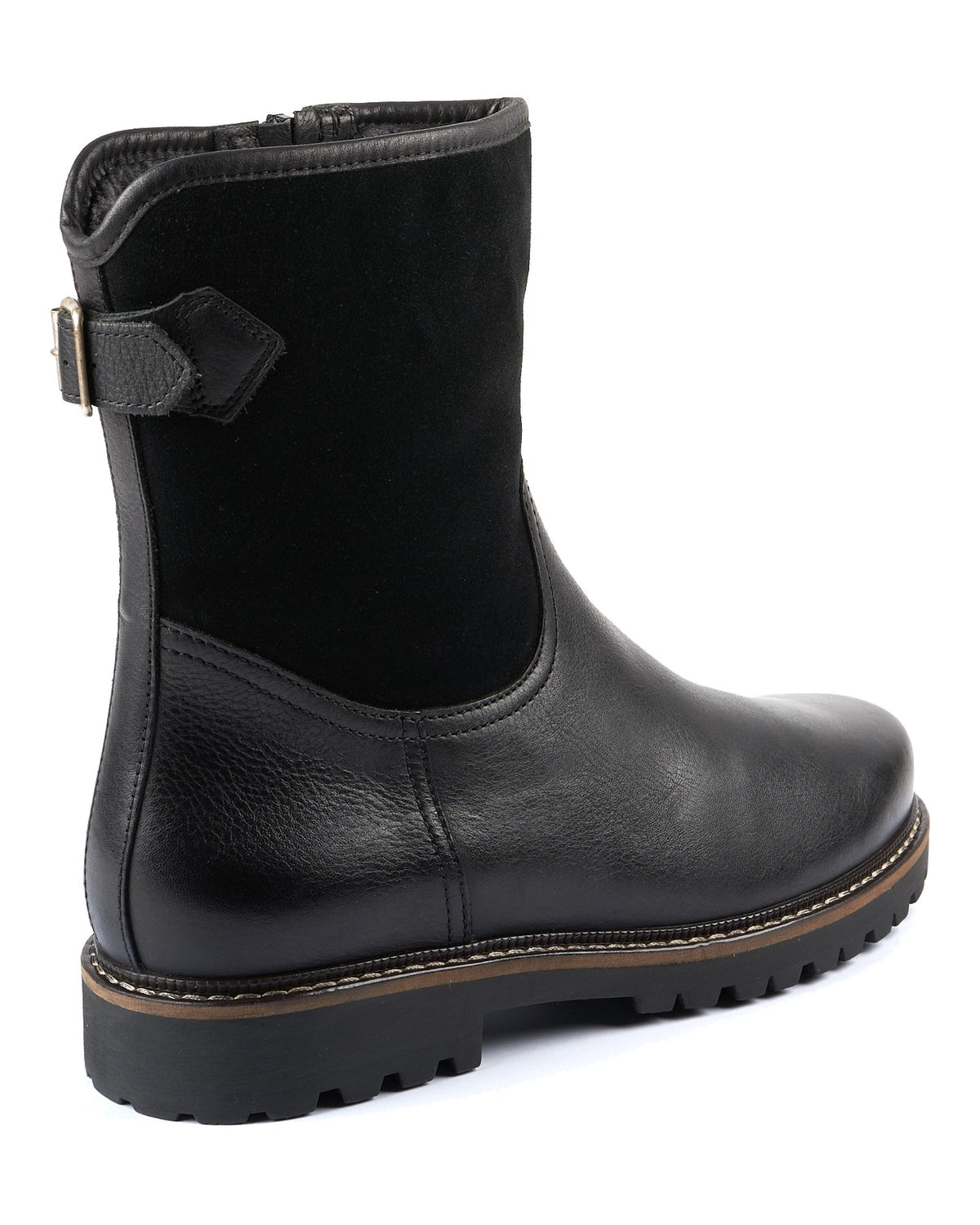
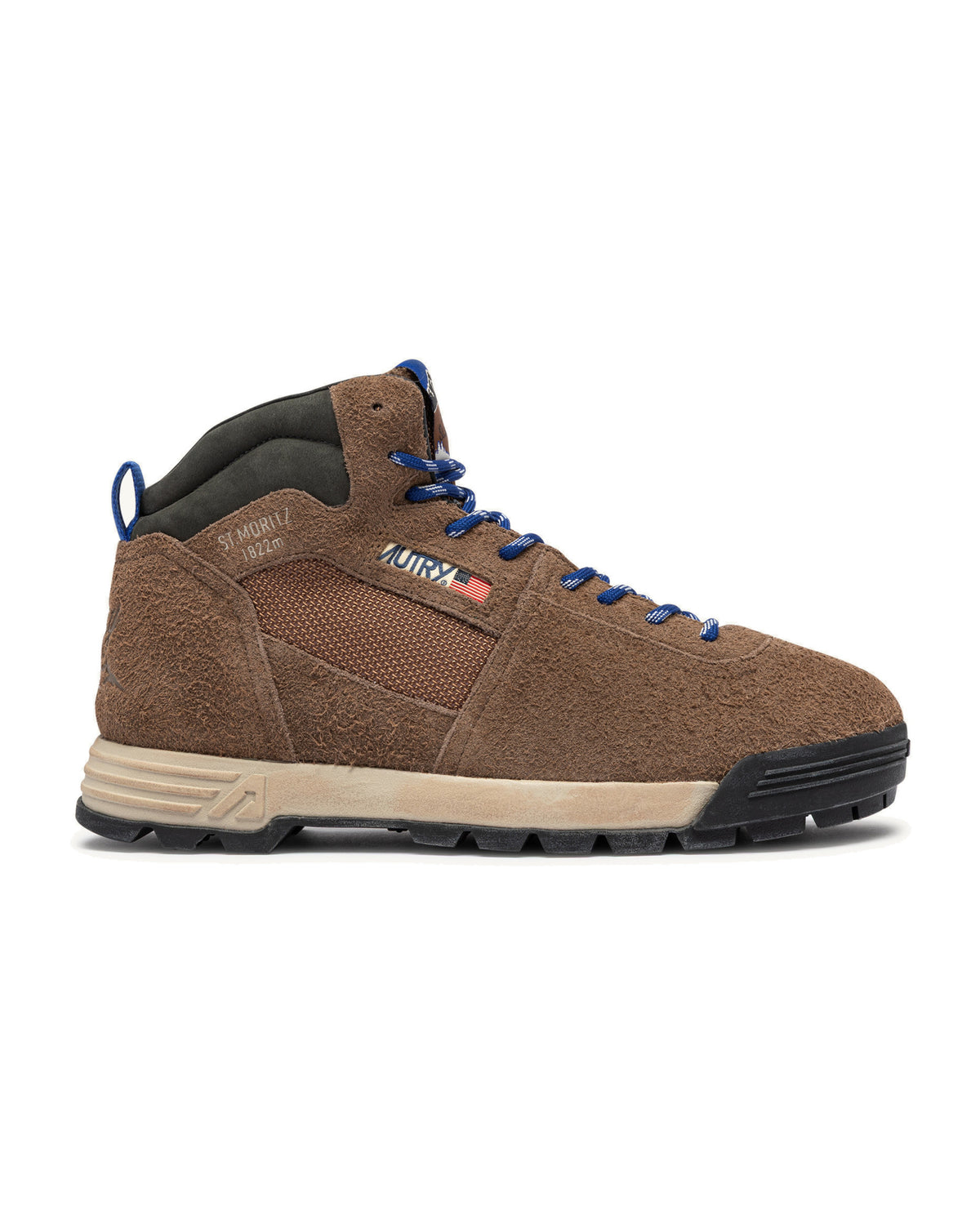
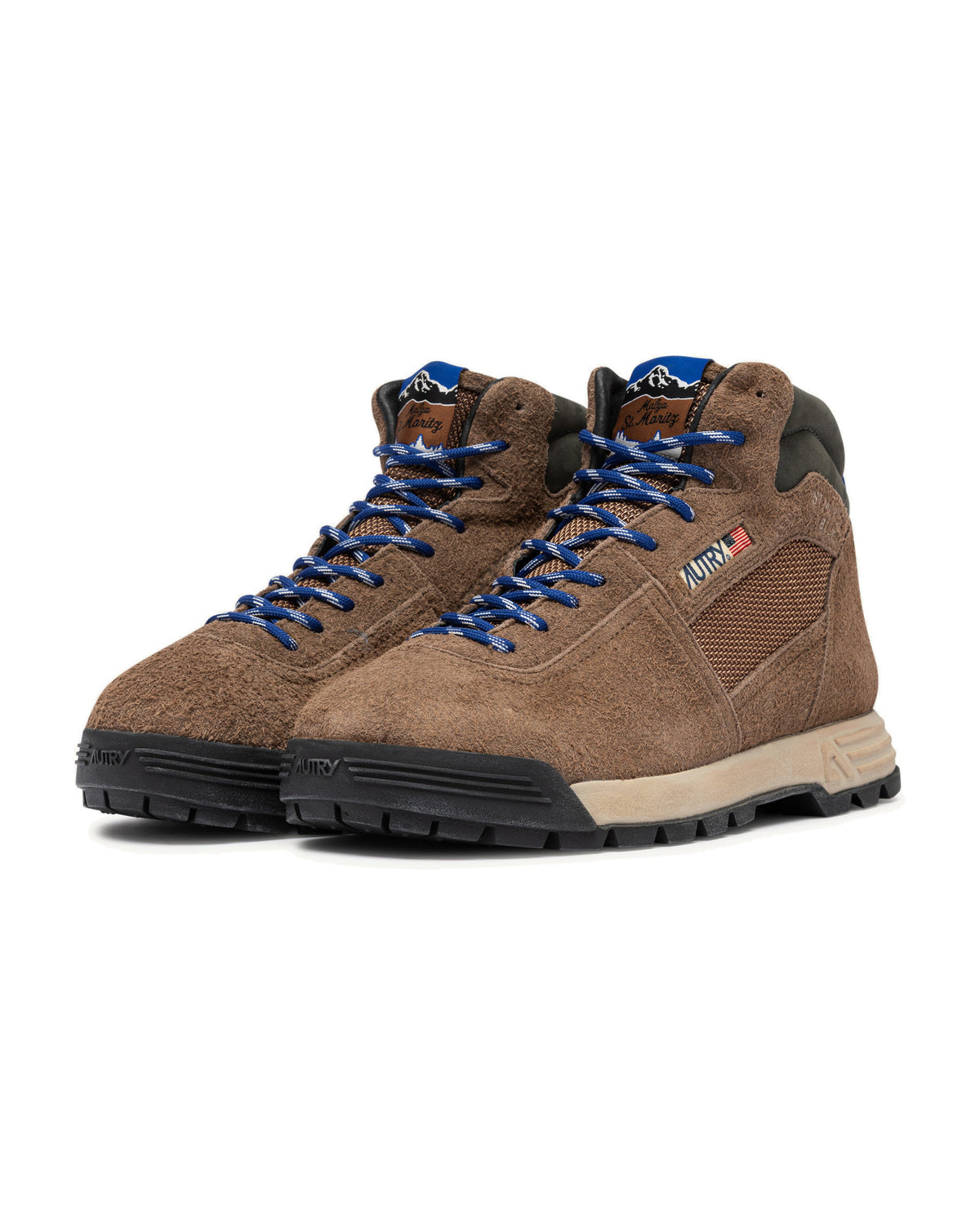


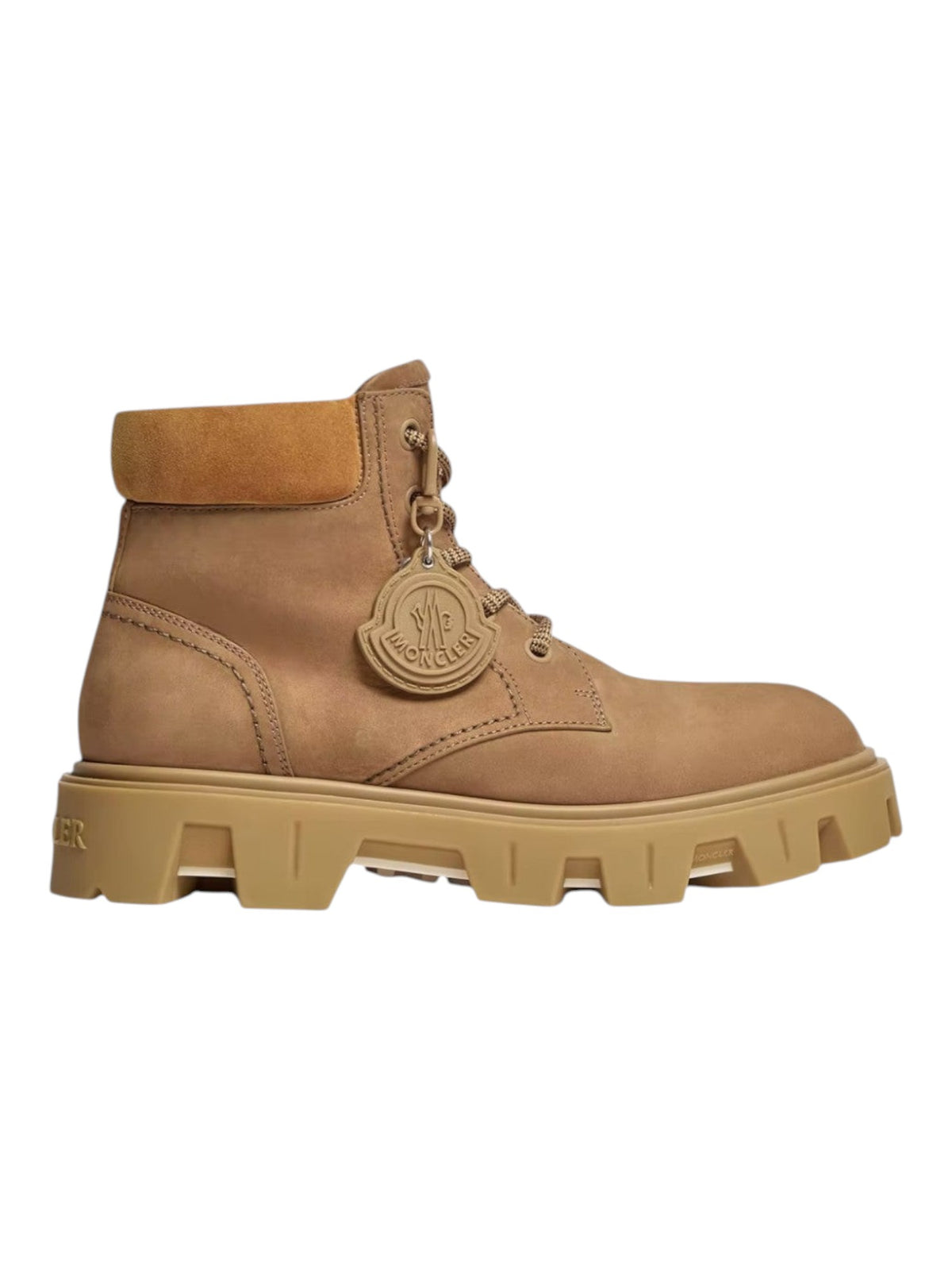
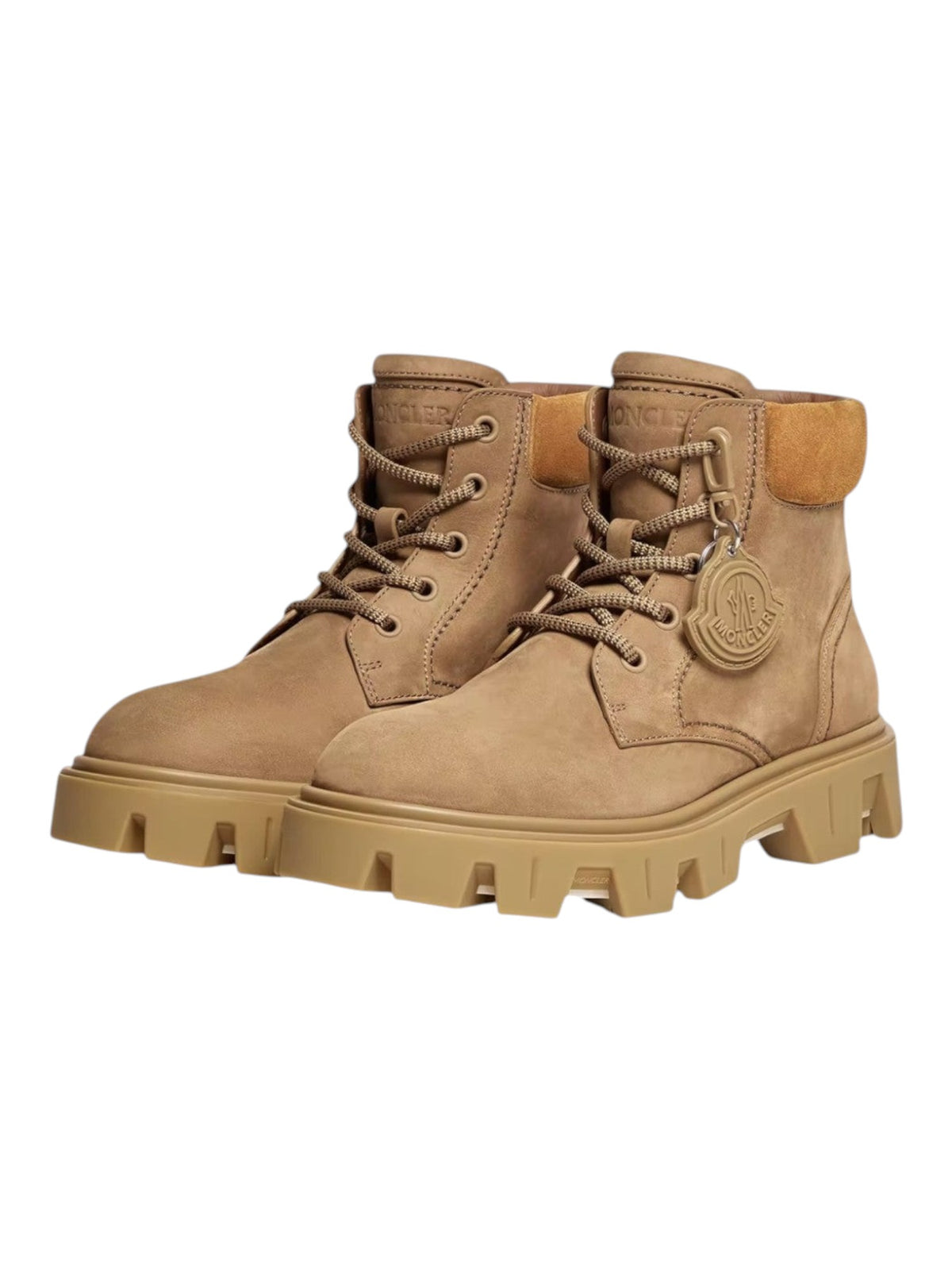
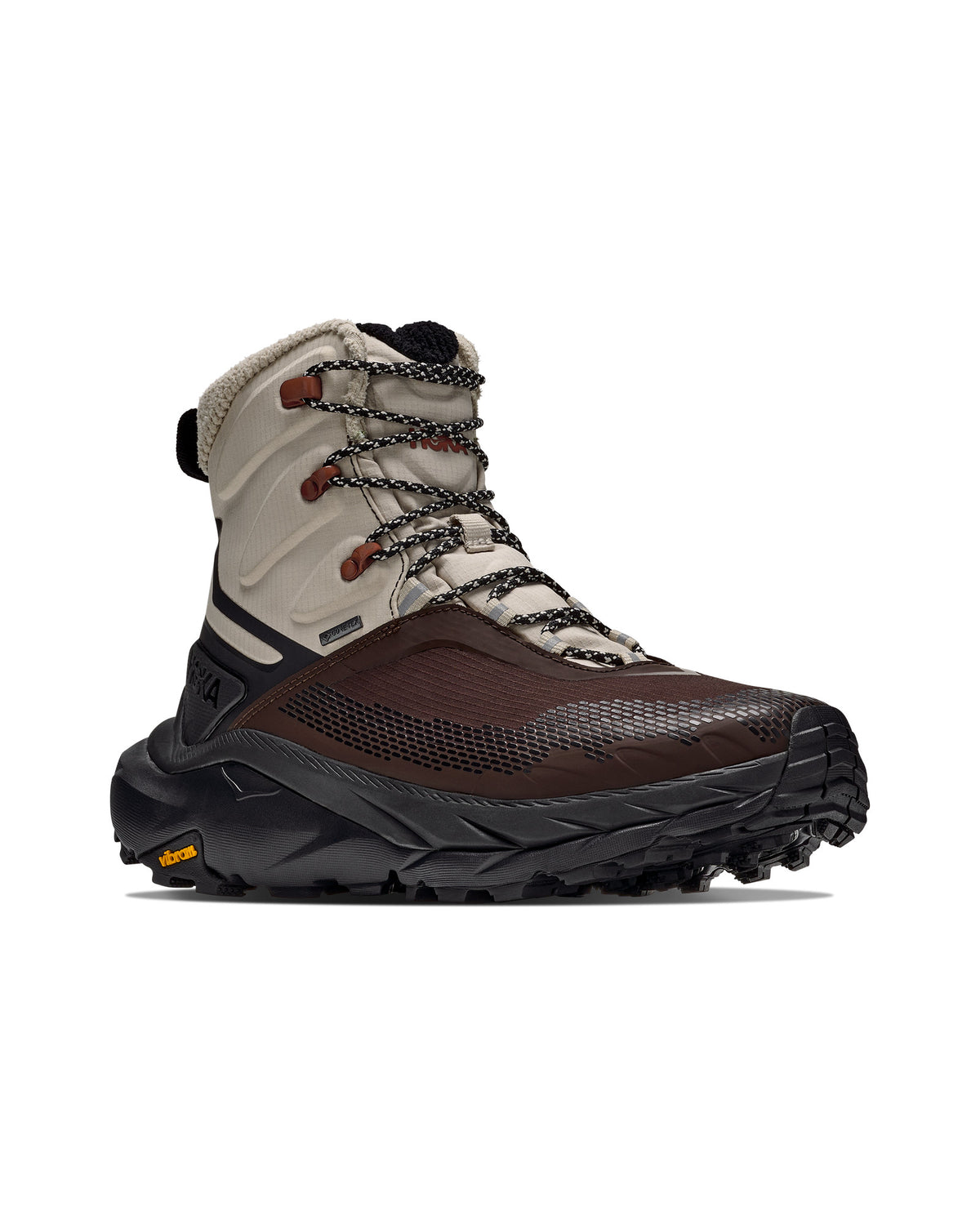
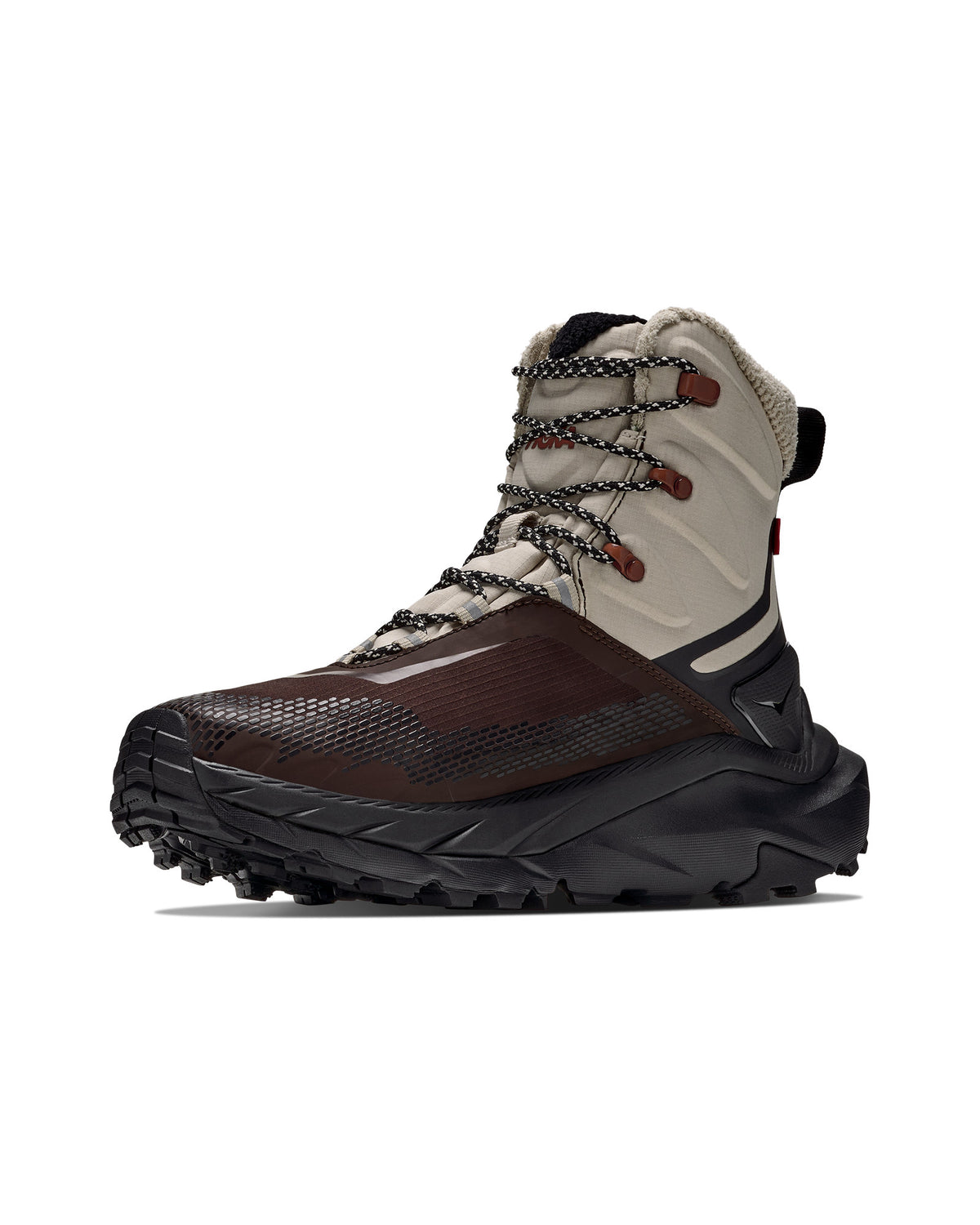


Choosing men's winter boots by path and weather
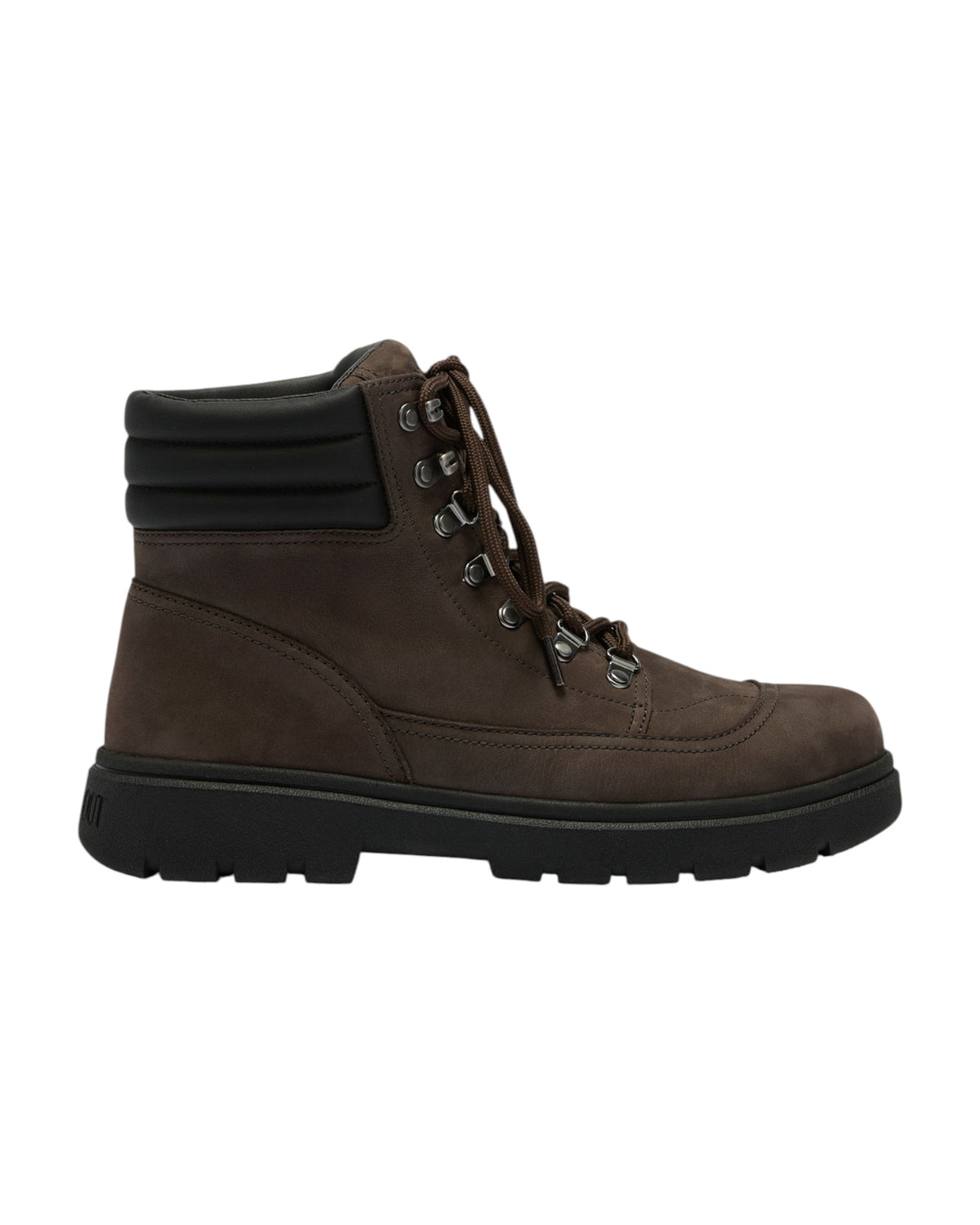
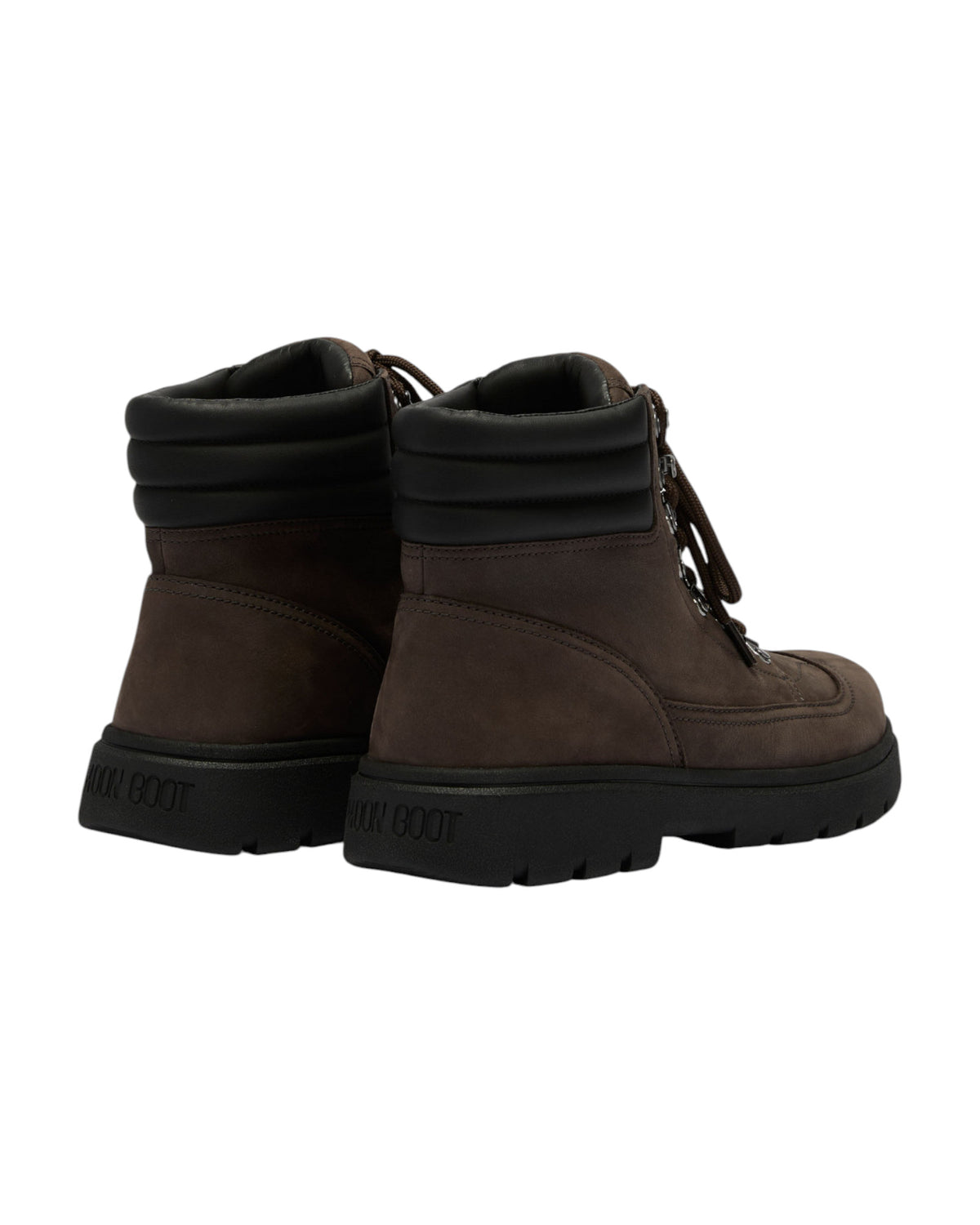
Winter boots should match the paths you actually walk. A short stay in the city, a long walk on winter paths, and switching from ski boots to leisure shoes all place different demands. Therefore, start with the terrain, duration, and desired warmth. A bulky shoe may look wintry without being suitable for every wet situation. Conversely, a weather-oriented construction does not necessarily have to have the same shape as a classic snow boot.
This selection for men is about shoes for everyday winter wear and suitable leisure combinations. Compare the warmth construction, shaft height, and material with the intended use. A winter boot is not an automatic green light for alpine tours or technical ventures. For running-oriented requirements, the men's sports shoes category offers a different entry point. The right decision is made when the shoe's task is clear and its features match it.
Warmth, moisture protection, and sole are different criteria
A warm inner construction says nothing about how the shoe handles water. Lining or insulation can contribute to the feeling of warmth, while the upper material, seams, and construction are relevant for the described moisture protection. A membrane is also not a general promise that a shoe can stand in water at any depth over its entire height. Therefore, the model description and possible constructive limitations must be compared together.
The sole, in turn, performs its own task. Its tread, material, and construction influence the feel on the ground. A deeply effective tread does not automatically mean secure grip on every icy surface. Snow, wet stone, slippery ground, and ice are different surfaces. Therefore, avoid choosing solely based on the strongest visible tread. It is interesting to see for what use the specific sole is described and whether the entire shoe matches it.
This distinction is particularly helpful for online comparisons. Imagine three columns: desired warmth, handling of moisture, and intended paths. A model can emphasize one aspect without promising the same performance in every column. This makes it easier to recognize whether you are looking for a shoe for dry cold days, changing winter conditions, or primarily a certain leisure look. The color only comes after this fundamental decision.
Short shaft or higher winter boot?
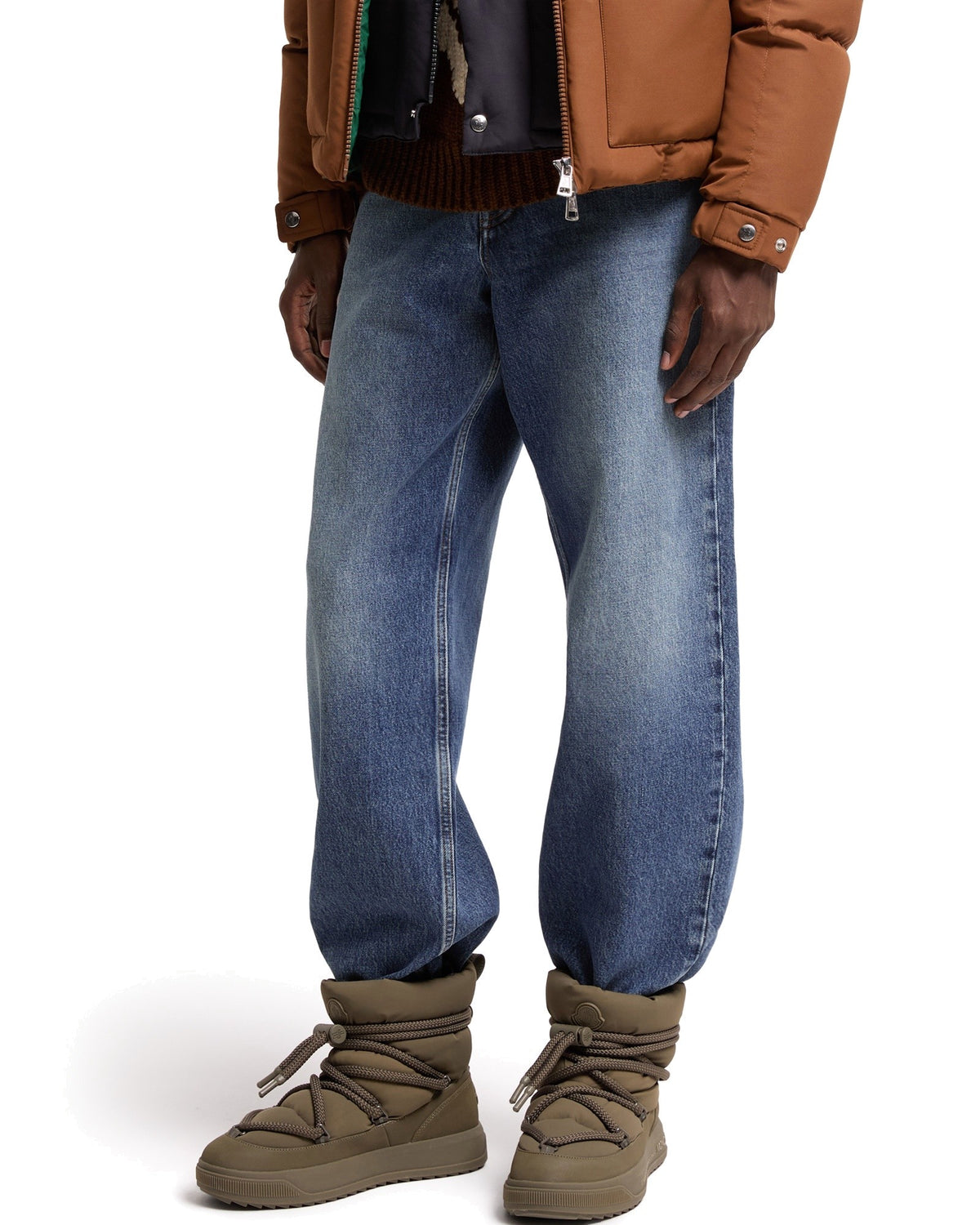
A lower shaft can often be easily combined with different pant legs. It can be practical for frequent putting on and taking off and looks visually more compact. At the same time, it covers less of the lower leg. Consider where the pant cuff sits and whether an unwanted gap forms between pants, socks, and shoes. The appropriate shaft height therefore depends not only on the weather but also on your usual clothing.
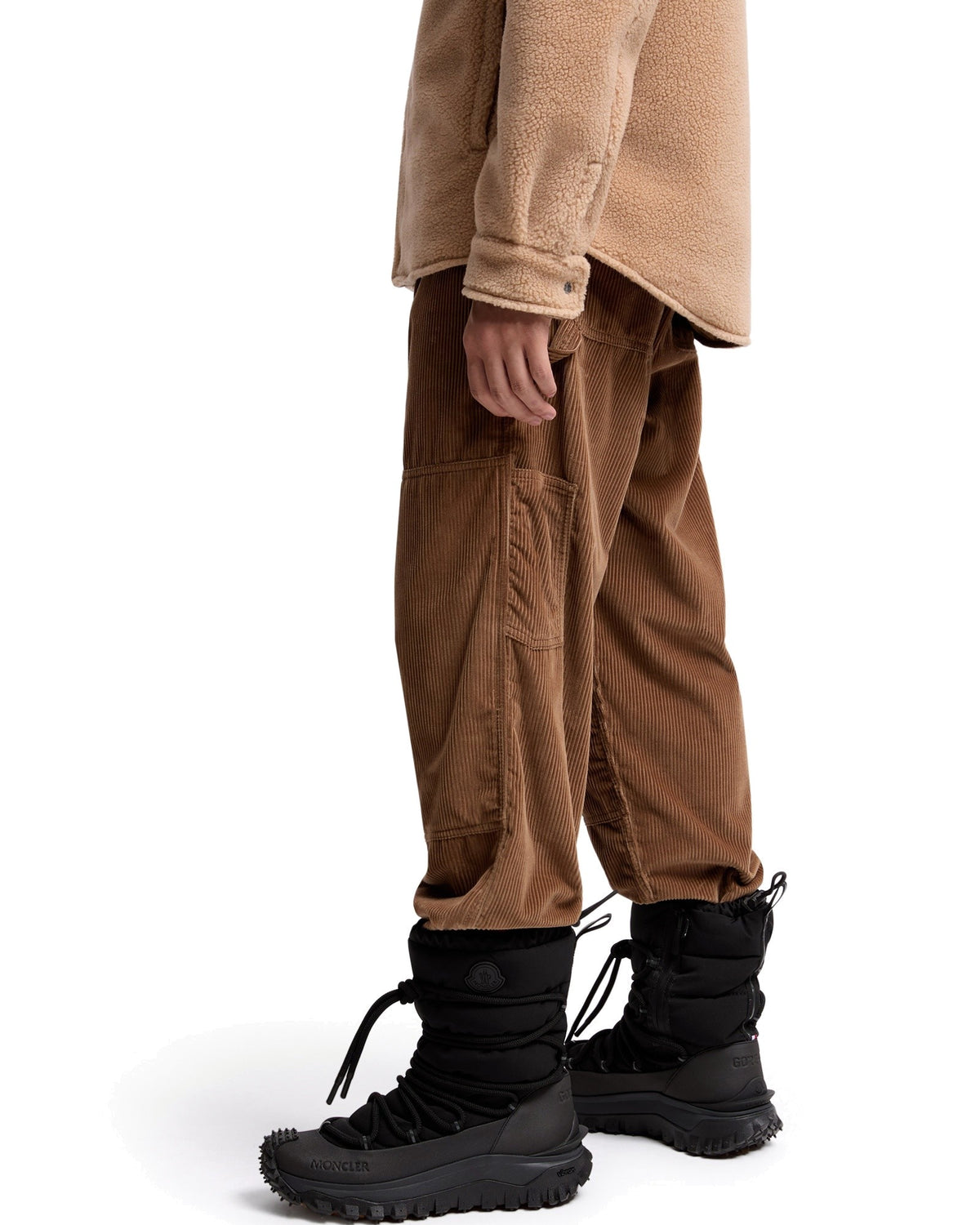
A higher boot covers a larger area and can create a different finish to the pant leg. However, it requires space at the ankle and calf and changes the feeling when walking. Some shapes are deliberately soft and voluminous, others more guided. Both can be useful as long as they fit the use. A high shaft alone, however, does not make a leisure boot a technical mountain shoe or a model for every winter route.
Pay attention to whether you want to wear the pants over the shaft or closed over it in a suitable combination. Very narrow pant openings can be difficult to combine with a wide boot. A wider leg falls differently over the shoe. In the men's pants category, you can coordinate the proportions accordingly. It is worthwhile to view shoes and pants as a coherent silhouette before a striking shaft height makes the difference.
Determine size with the intended socks
The correct winter size is not achieved by adding a blanket amount to your usual shoe size. Brands and models differ in shape and size assignment. Refer to the respective chart and your foot length. SOREL, for example, describes measuring while standing with socks. Use such brand-specific guidelines instead of applying a general rule like always one size larger to all winter boots.
Plan for the socks you actually want to wear. A thicker model takes up more space and can change the fit in the shoe. Your toes should have enough room without the foot as a whole slipping uncontrollably in the shoe. A lot of extra length is therefore not a simple comfort solution. Length, width, and the volume over the instep, together with the intended sock, are crucial.
A soft inner material can be particularly prominent when first trying them on. You should not infer any arbitrary later stretching from this. Only consider the classification given by the manufacturer for the specific model. If the shoe already pinches significantly or the foot does not find a suitable hold, an unconfirmed hope of breaking them in is not a reliable size decision. Rather, compare a different cut or the correct size in the same model.
Lacing, entry and everyday suitability
Lacing allows for a different adjustment than a largely closed slip-on shoe. The number and position of the eyelets, as well as the construction of the tongue and shaft, are important. A firm lacing should secure a suitable shoe, not compensate for an unsuitable shape with pressure. Make sure you can open the shoe wide enough and then achieve a consistent fit without unnecessary force.
A wide entry can be practical for frequent changes. A soft shaft can feel different than a firmer construction, but it must also fit your foot and leg. If you want to quickly change into leisure boots after a ski day, this handling can be particularly relevant. The comfort of entry still does not replace the later support when walking. Check both situations separately, instead of only evaluating the first moment.
Zippers and other openings can offer additional function, but are not automatically waterproof. SOREL explicitly points out limitations of certain components in individual models described as waterproof. This shows why the entire description is important. A simple closure may suffice in everyday life, while a different construction is more important for frequent contact with moisture. Choose according to the actual environment and the information on the respective shoe.
Leather, suede and textile surfaces
Smooth leather looks different from a softer, roughened surface. Structure, treatment, and combination with other materials influence optics and care. A leather shoe is not automatically waterproof, and a textile model is not automatically particularly light. Therefore, read the material and functional description together. If you prefer a particular surface, also check whether its care fits the everyday life in which you want to use the shoe frequently.
Suede-like surfaces can create a calm, soft look, but require suitable treatment. Textile parts bring different properties depending on the construction. Winter shoes are often made of several materials, not all of which may be cared for in the same way. Also consider trimmings, sole edge, and lining. The visible main material does not yet explain the requirements of all components of the shoe.
Combine winter boots with jackets and accessories
Sturdy winter shoes give the lower part of the outfit visual weight. A longer men's jacket can form a harmonious connection. A shorter jacket looks more compact and makes the pants and boots stand out more. You don't have to repeat every color exactly. A common color scheme or deliberately subdued pants can already be sufficient if the shoe has a more striking design.
For a relaxed winter look, softer surfaces and chunky knitwear can go well together. Technical-looking boots set a different accent and can also be combined with minimalist clothing. The deciding factor is whether you want a clear focal point or if several parts should visibly interact. A beanie complements the upper silhouette, without all accessories having to have the same material structure as the shoe.
From city paths to après-ski
For frequent short journeys, uncomplicated handling can be more important than a particularly high shaft. If you stay outside for a long time, warmth construction and a suitable fit with socks become more important. On changing surfaces, the expressly described suitability of the model counts. Imagine your daily routine as precisely as possible: many indoor spaces, longer outdoor phases, or a shoe you only wear after sports. These differences make a selection more concrete.
The term après-ski often describes a context of use or style. It alone does not indicate what materials, soles or moisture protection properties are present. A striking winter boot can fit well into the relaxed part of the day, but should nevertheless be chosen according to its real specifications. For a comprehensive winter entry, the men's winter collection combines clothing and equipment according to their respective tasks.
Care according to material, not habit
SOREL differentiates in its care instructions between waterproof leather, oiled leather, and roughened surfaces, among others. So, within one brand, a single procedure is not intended for all shoes. Remove dirt with the appropriate method and observe drying instructions. For removable inner parts, their own care instructions apply; a removable construction does not automatically mean that machine washing is allowed.
Do not place damp shoes near strong heat sources without appropriate authorization to accelerate drying. Care products should also match the material and any membrane construction. A clean tread also makes it easier to inspect for wear or stubborn dirt. Care does not replace an unsuitable choice, but it helps to use a sensibly chosen shoe in everyday life according to its specifications.
Condensing your selection to three priorities
Before comparing, note down the most important situation, the desired shaft height, and the usual socks for your most frequent winter activities. Then add specific requirements for warmth and moisture. This will make the differences between a fashionable winter boot and a weather-oriented model more understandable. First choose the appropriate size and construction, then the surface and color. This creates a winter boot that fits logically into your paths and clothing, instead of just convincing with a single striking feature.
04At FREUDENHAUS
05Questions about the category