


Choose men's bags and backpacks by contents
Men's bags and backpacks should hold the contents you actually carry and be comfortable to wear. Compare daypacks, gym bags, and duffel bags by opening, organization, and carrying system. Here you'll find guidance on volume, dimensions, and materials so that your companion suits your daily commute, leisure activities, or additional equipment.


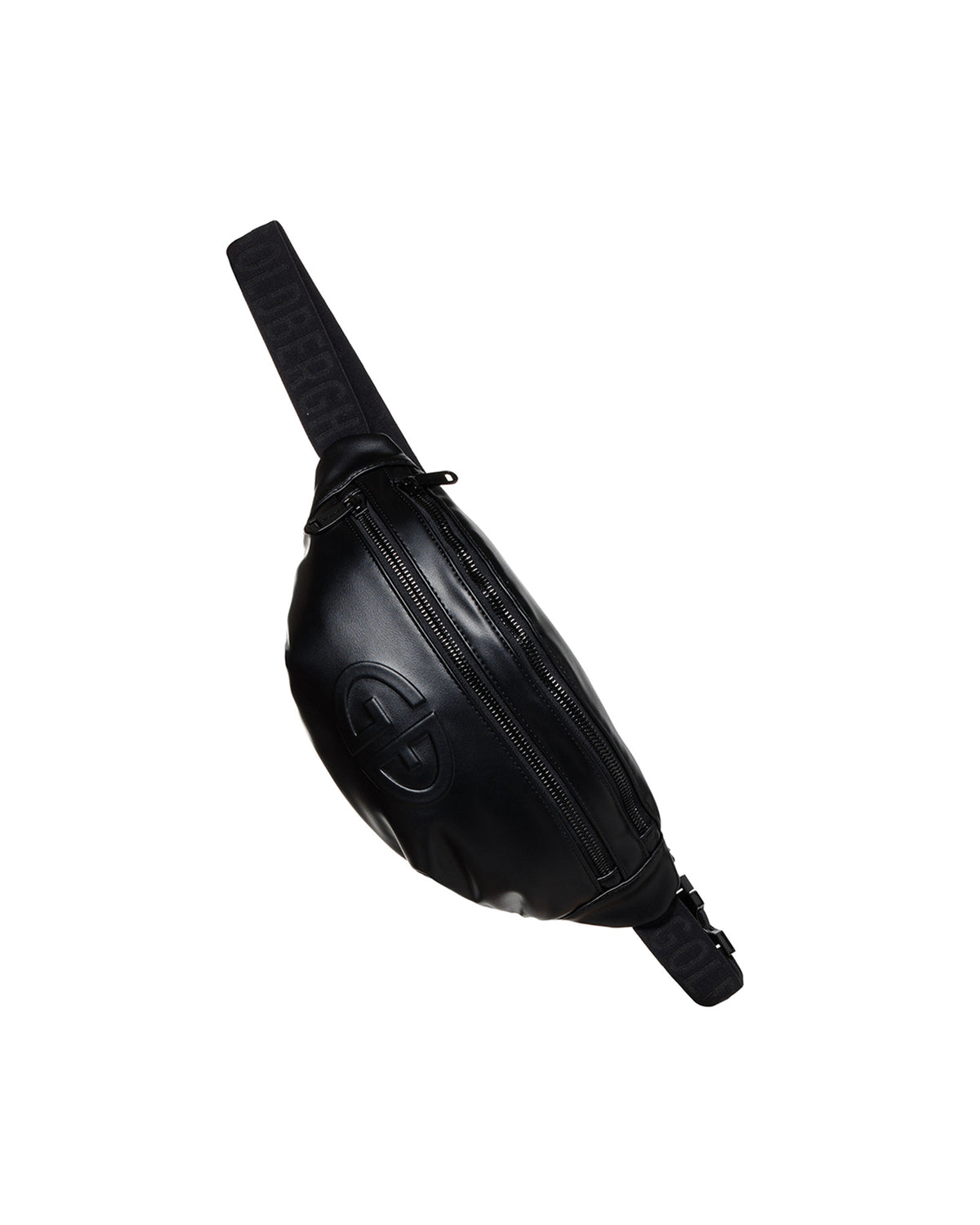
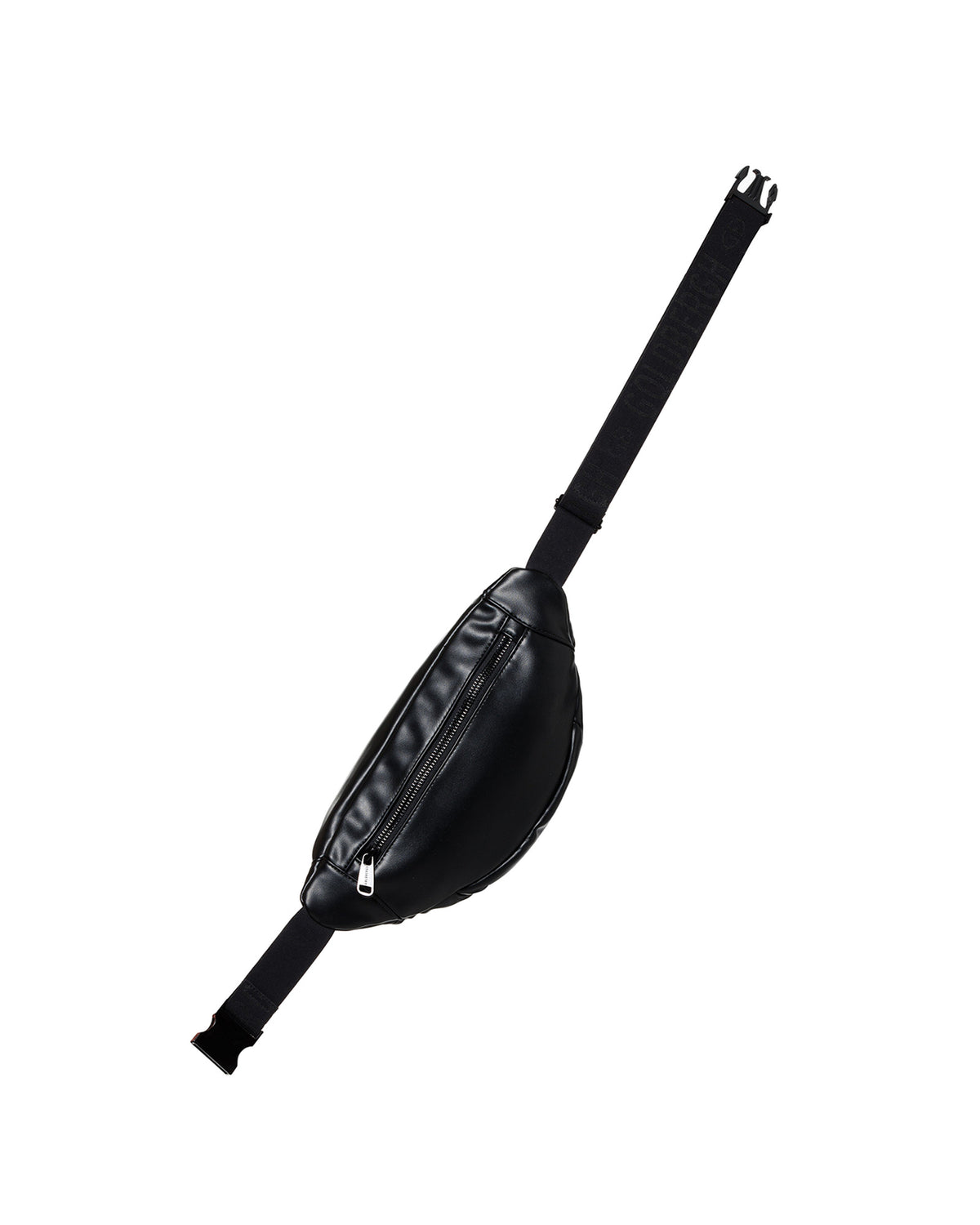
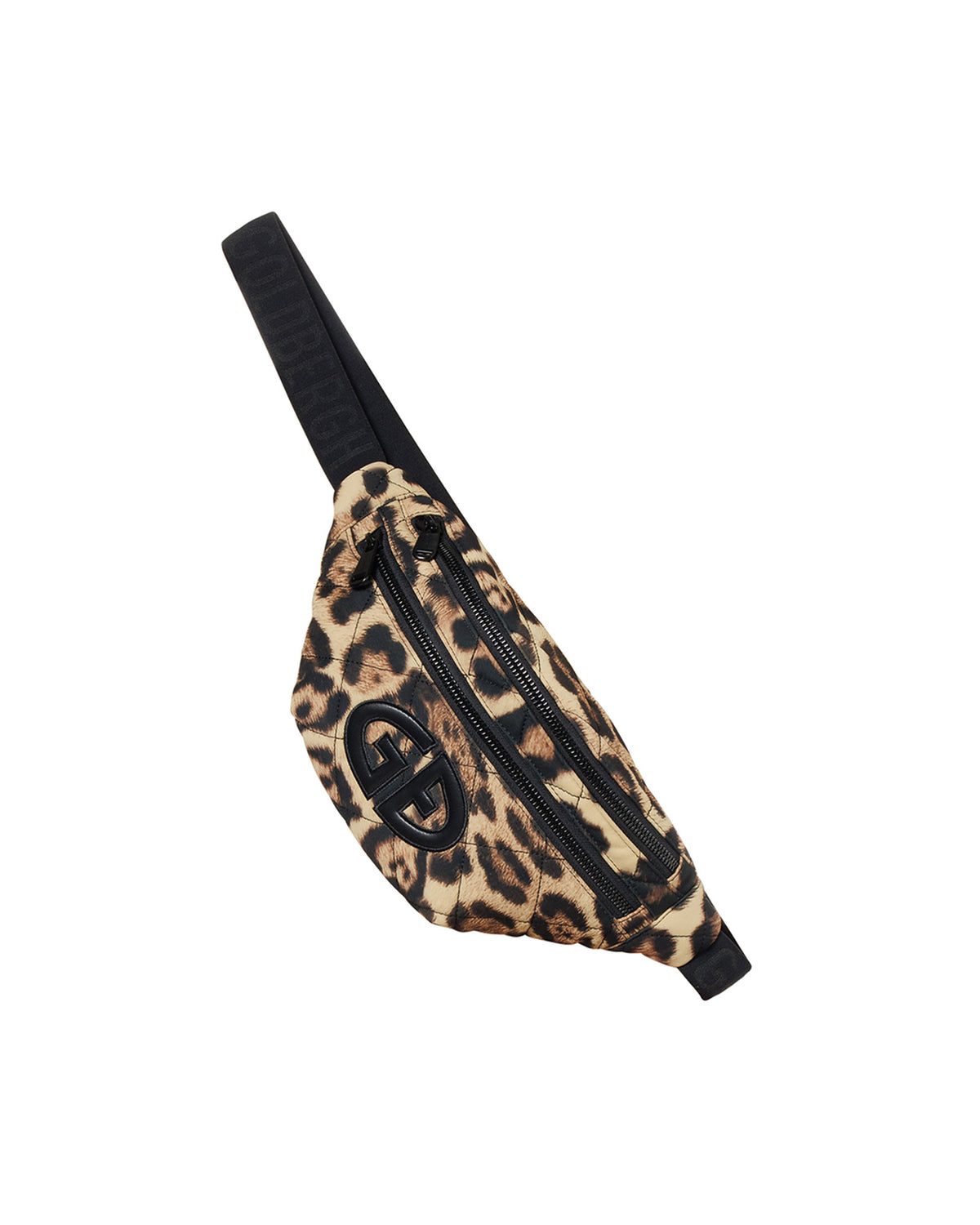
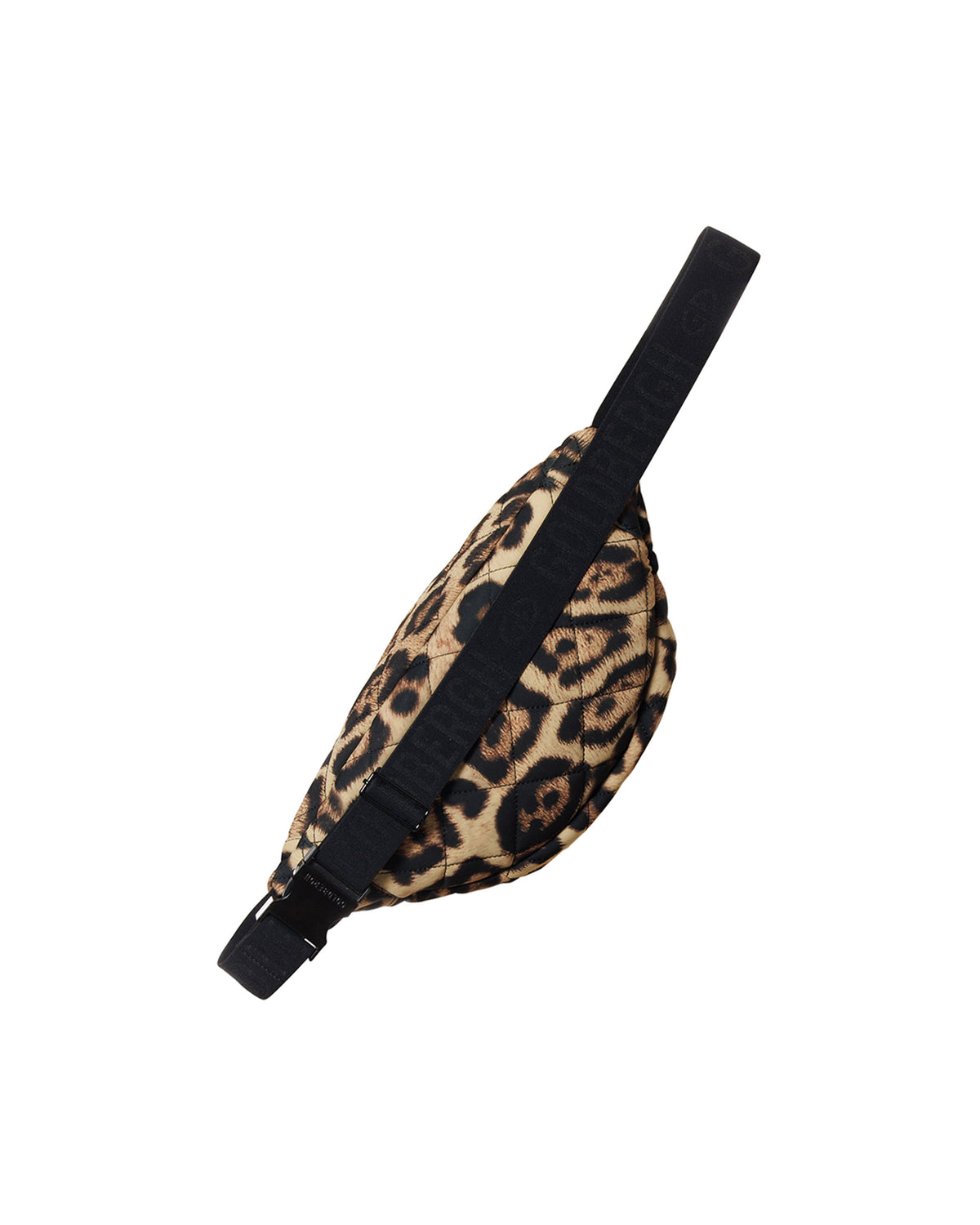
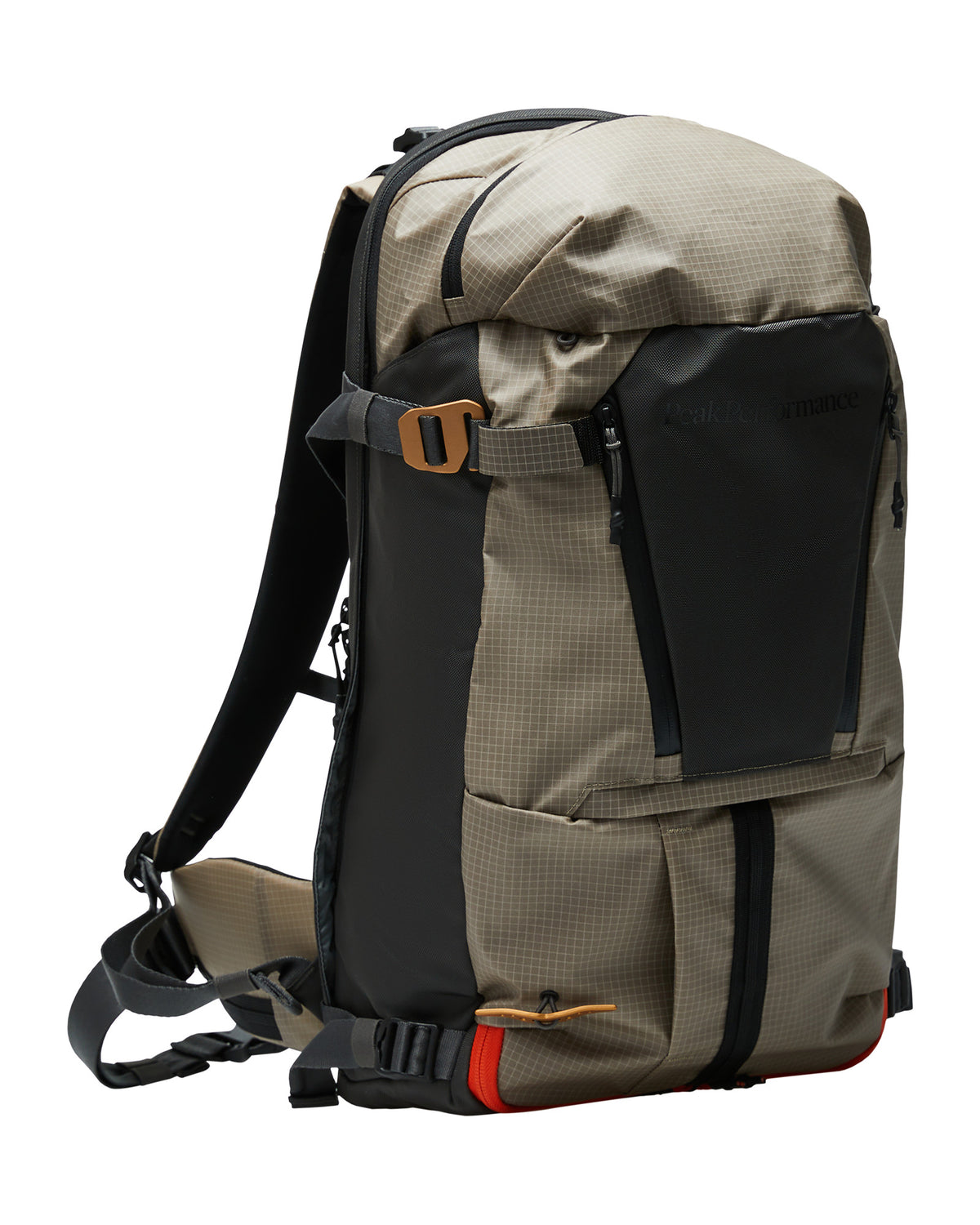
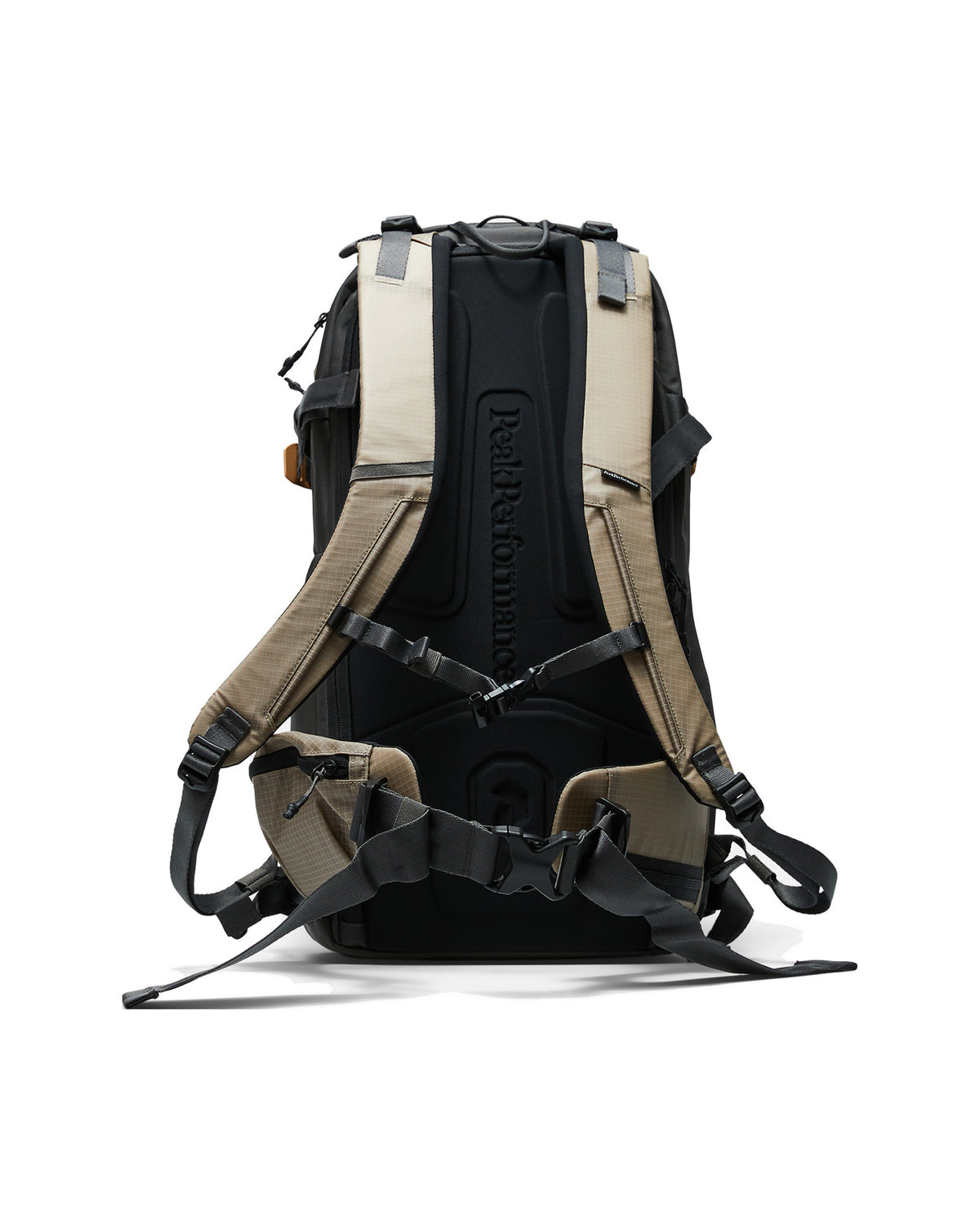
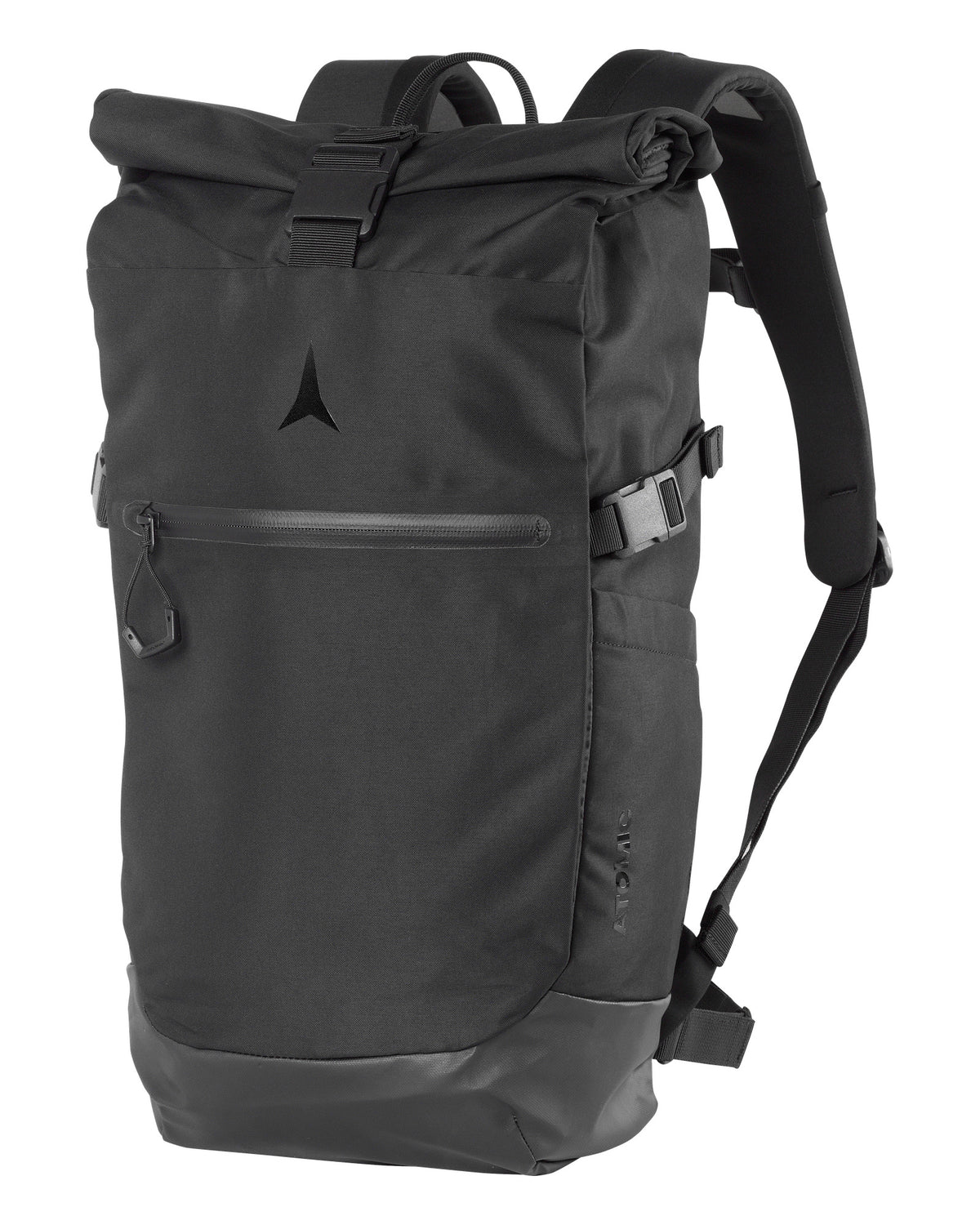
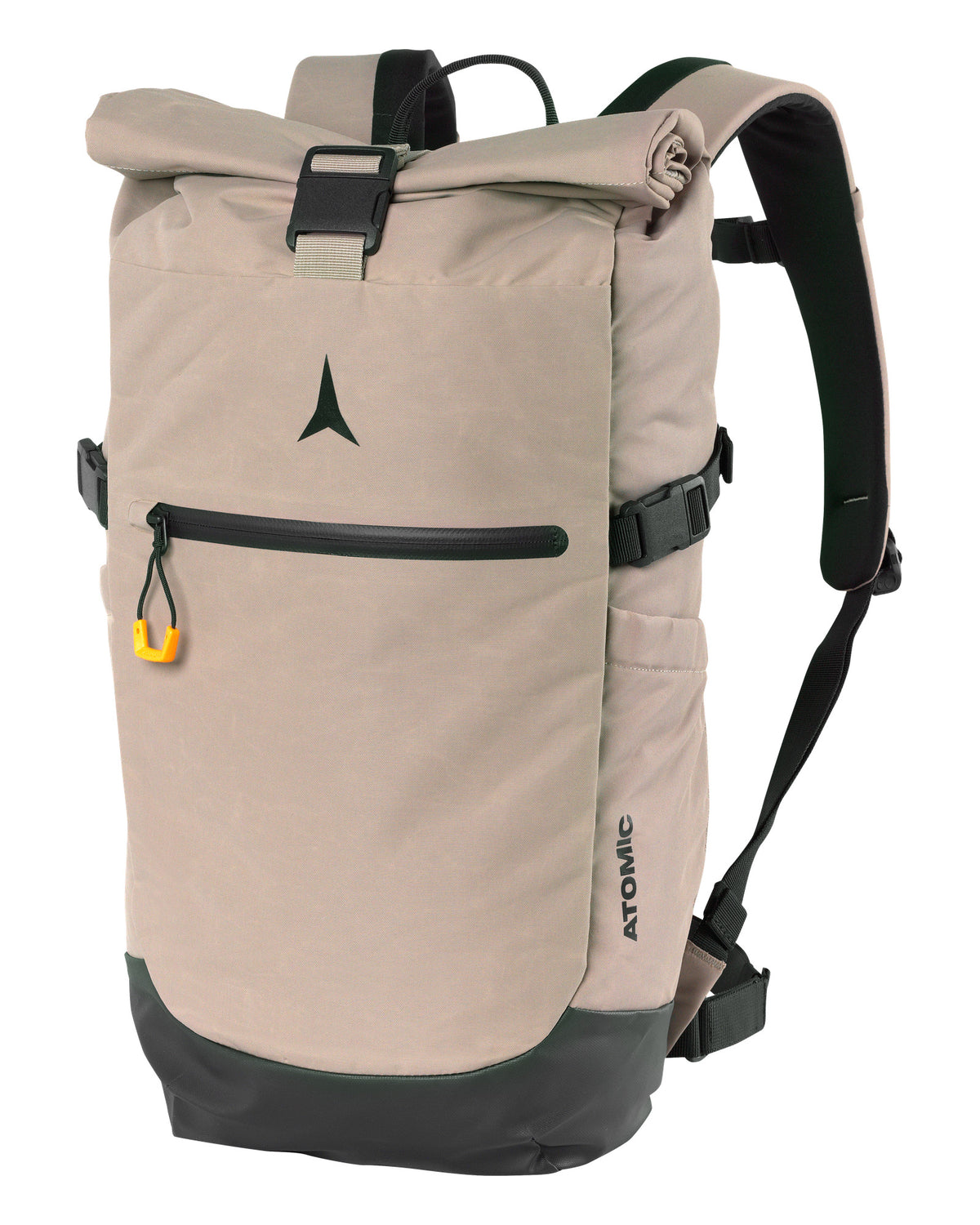
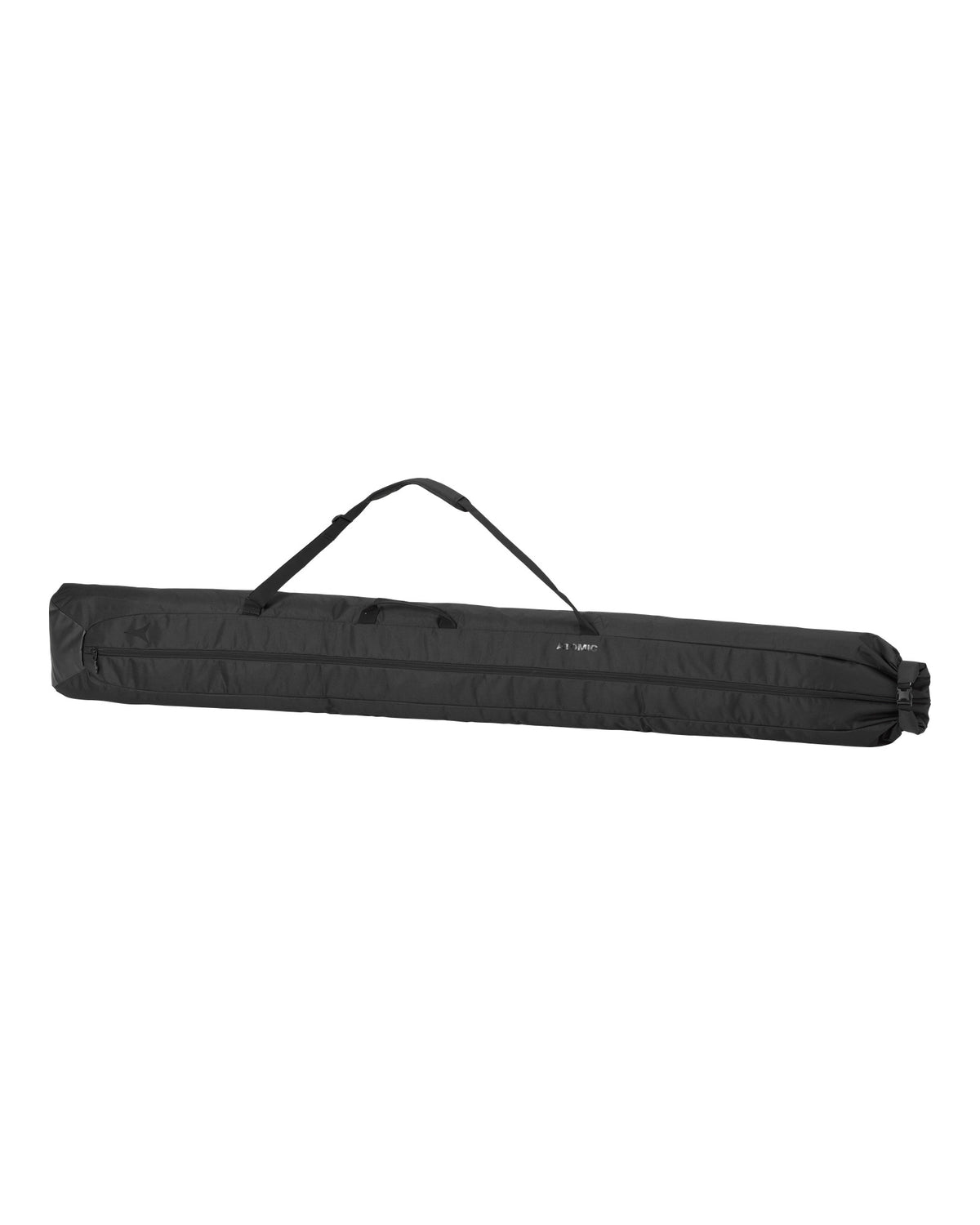
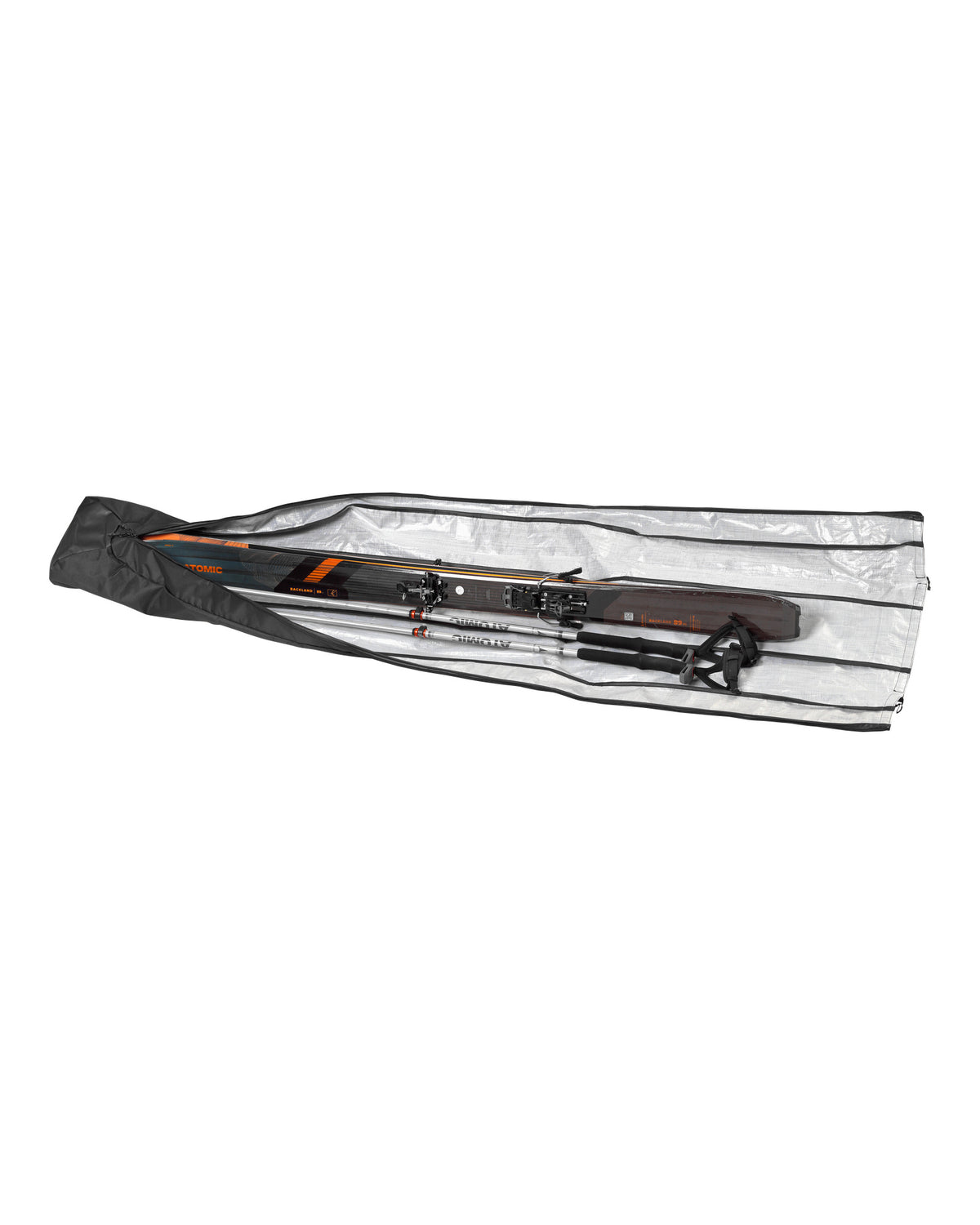
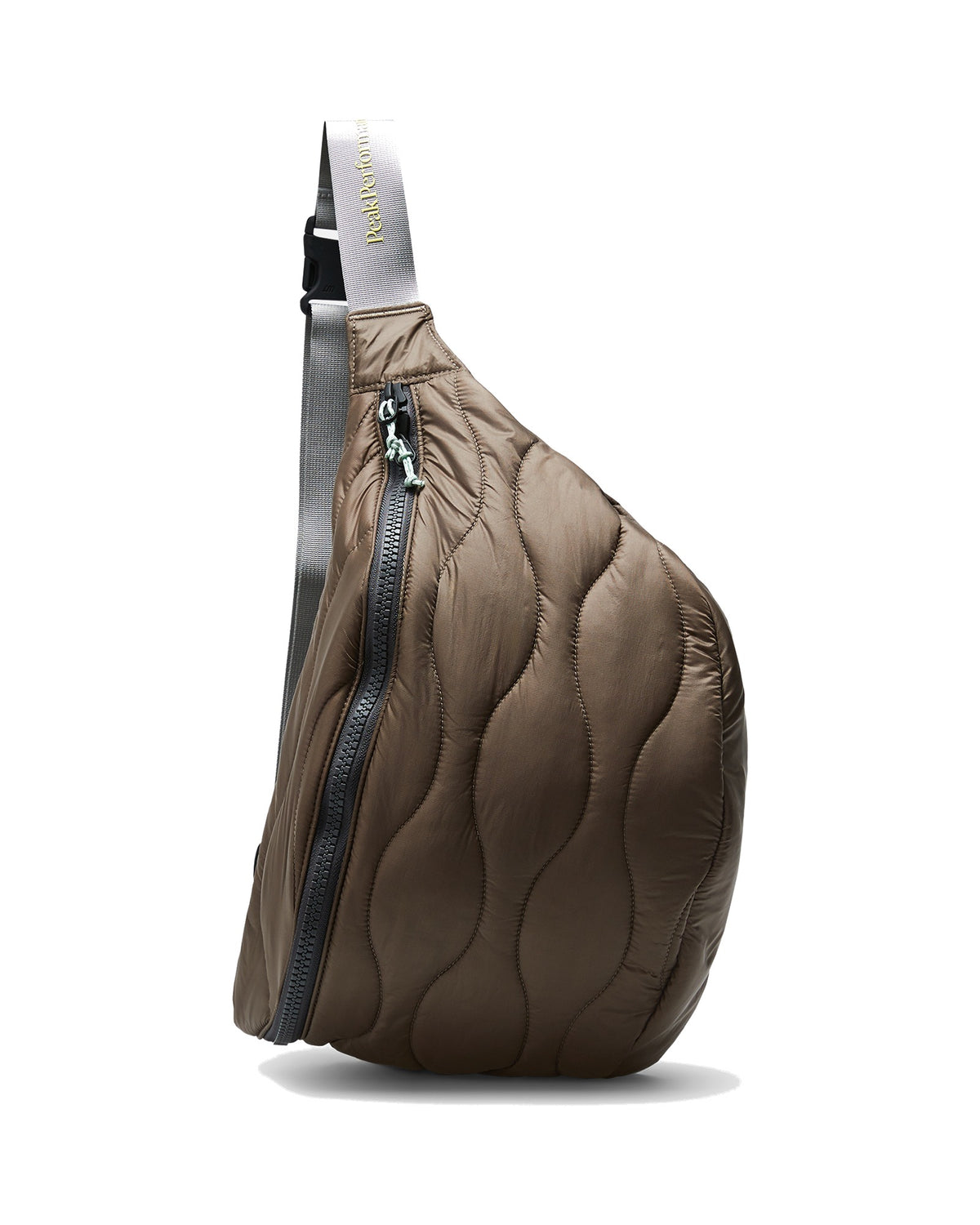

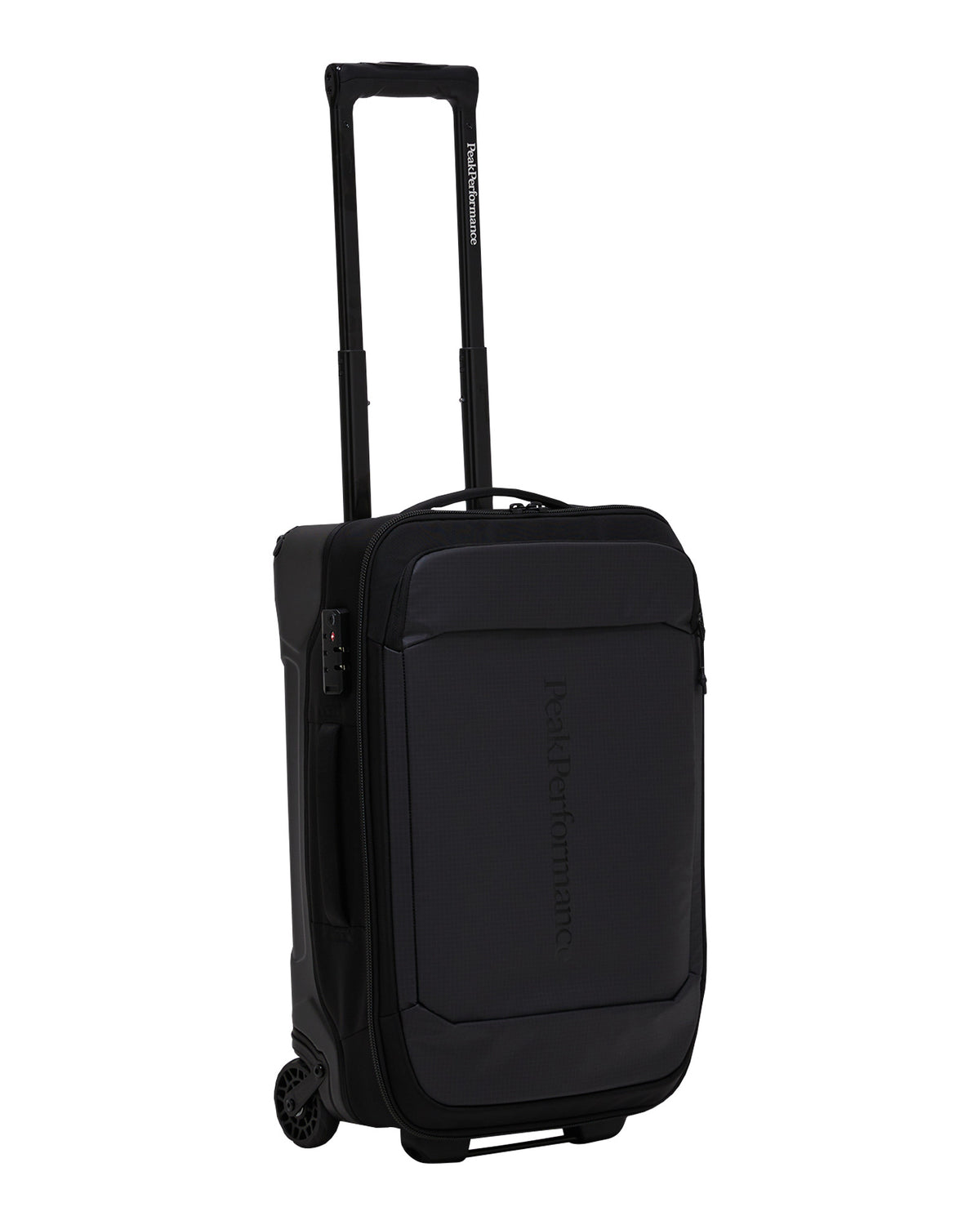



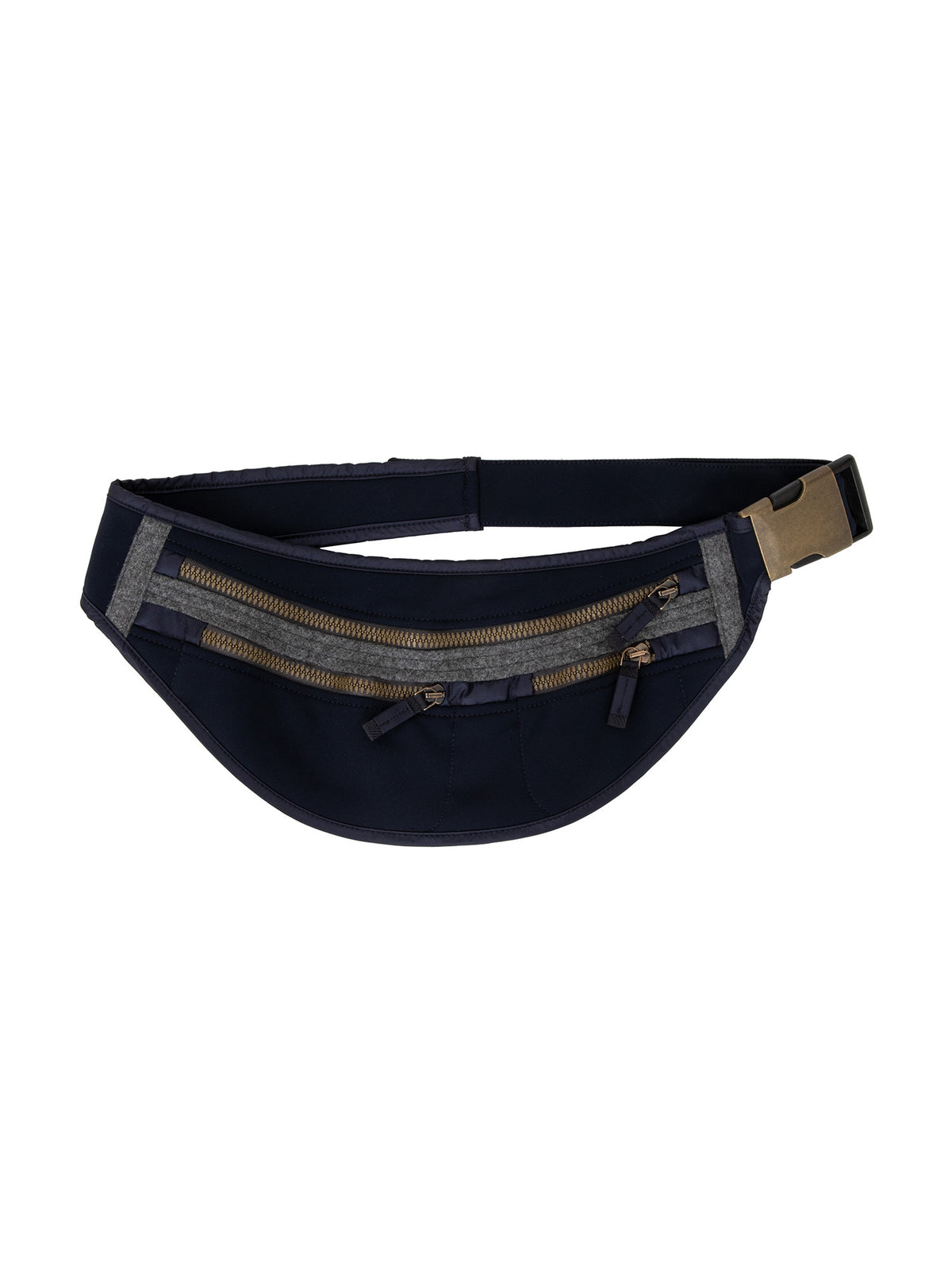
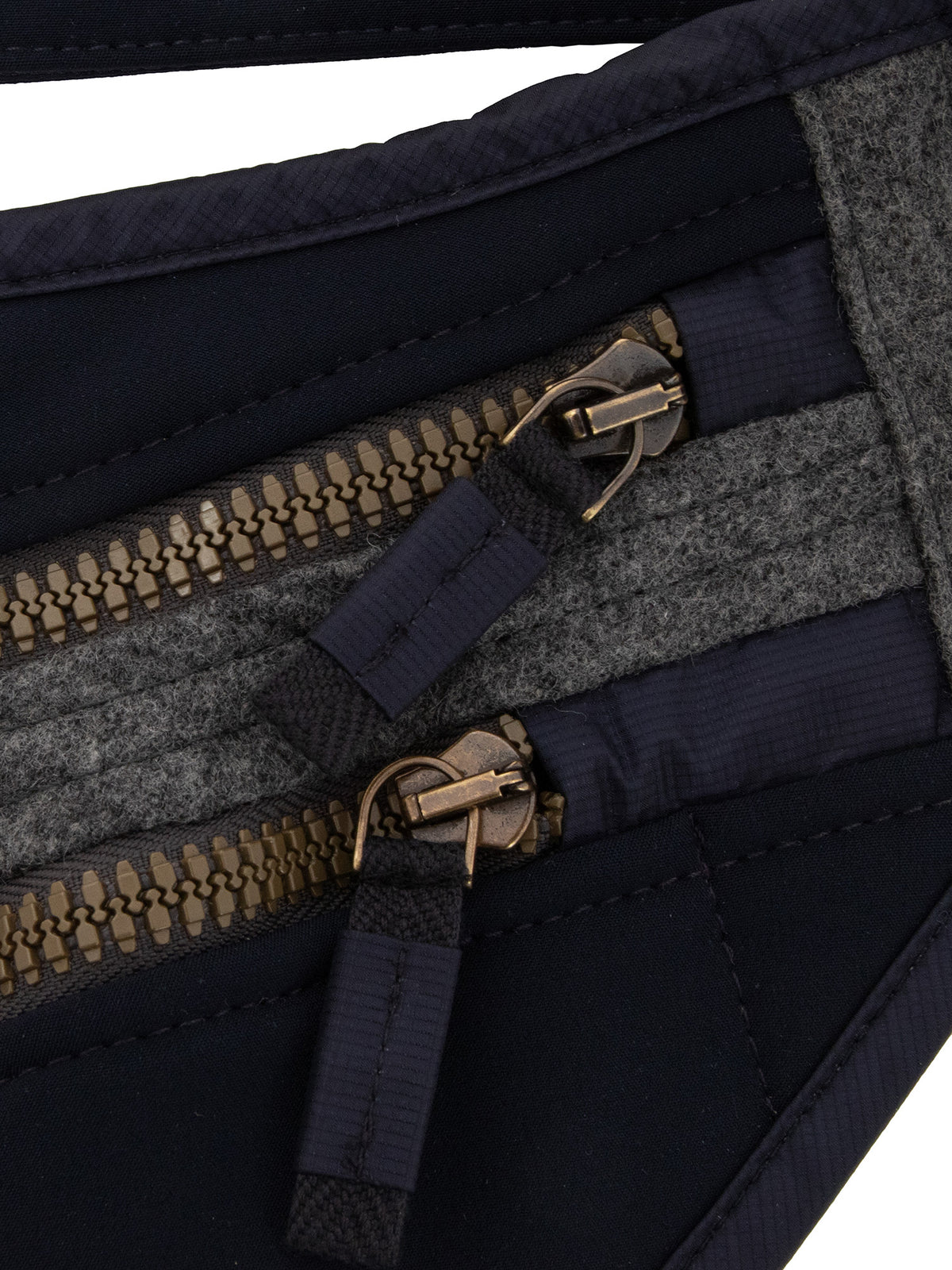

Choosing Men's Bags and Backpacks by Content
What you carry with you on the go determines the suitable bag more than a high volume specification. A backpack for daily commutes, a bag for sports clothing, and a larger travel bag fulfill different purposes. Therefore, start with a specific packing list. A phone, keys, and an extra jacket require a different organization than shoes, a change of clothes, and several personal items. Only when the contents are clear can the size, opening, and carrying system be meaningfully compared.
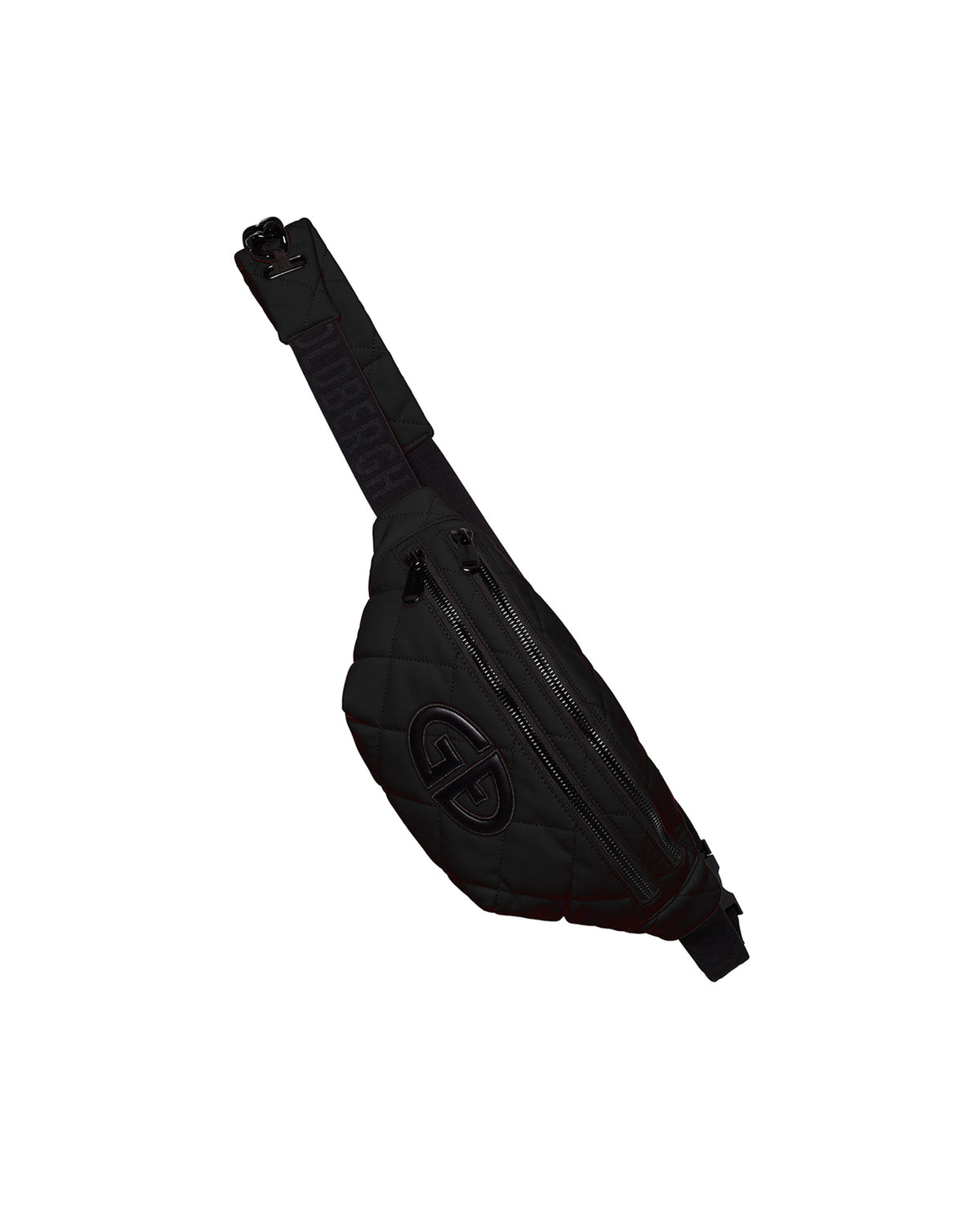
The selection for men brings together different bag and backpack forms. A sporty brand name does not automatically turn an everyday backpack into equipment for technical mountain tours. Likewise, a larger duffel bag is not suitable for every type of travel solely because of its volume. Choose based on the intended use and the actual described features. This way, you can recognize which details make a difference for your day and which primarily shape the design.
Backpack or Bag: How You Want to Carry the Weight
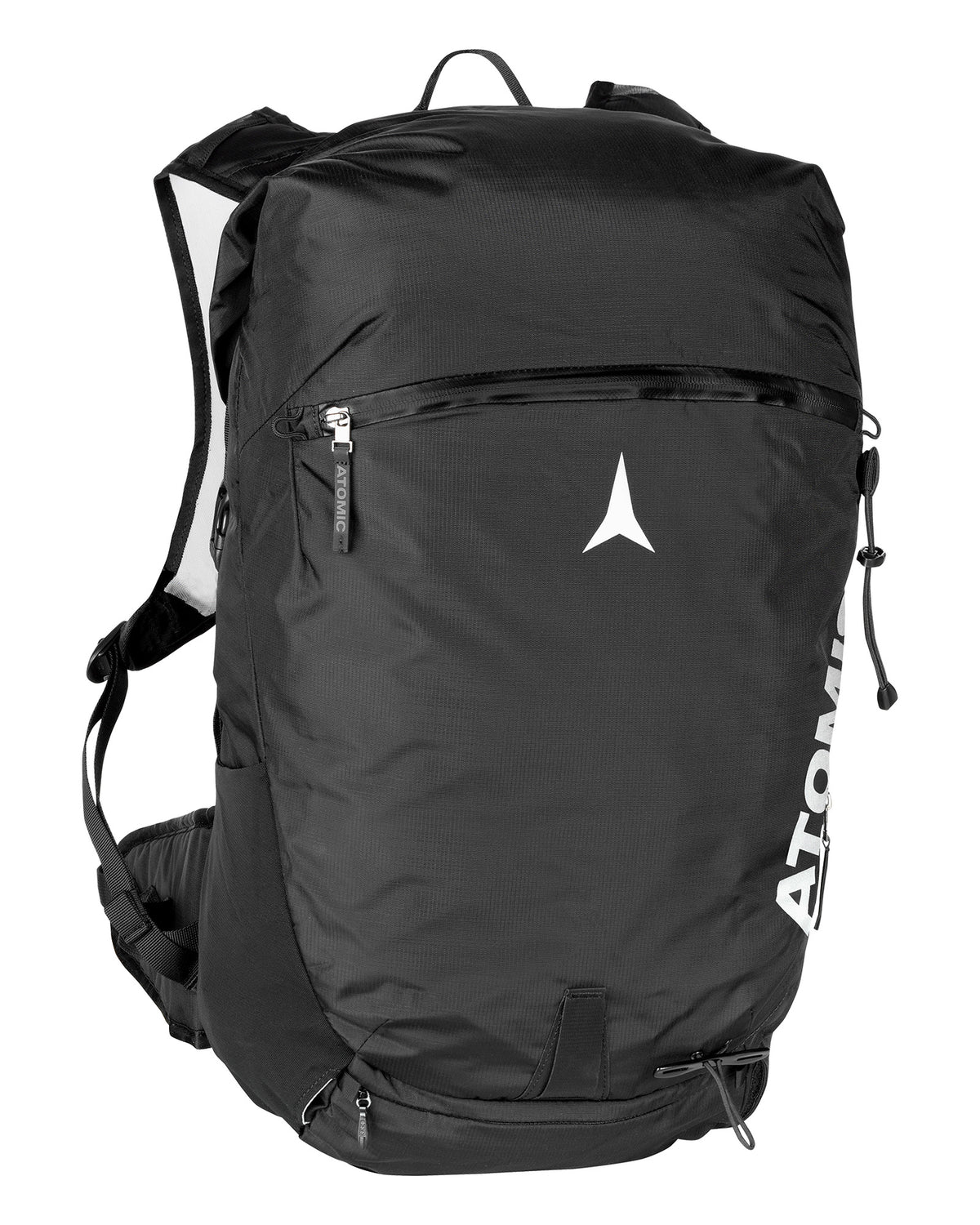
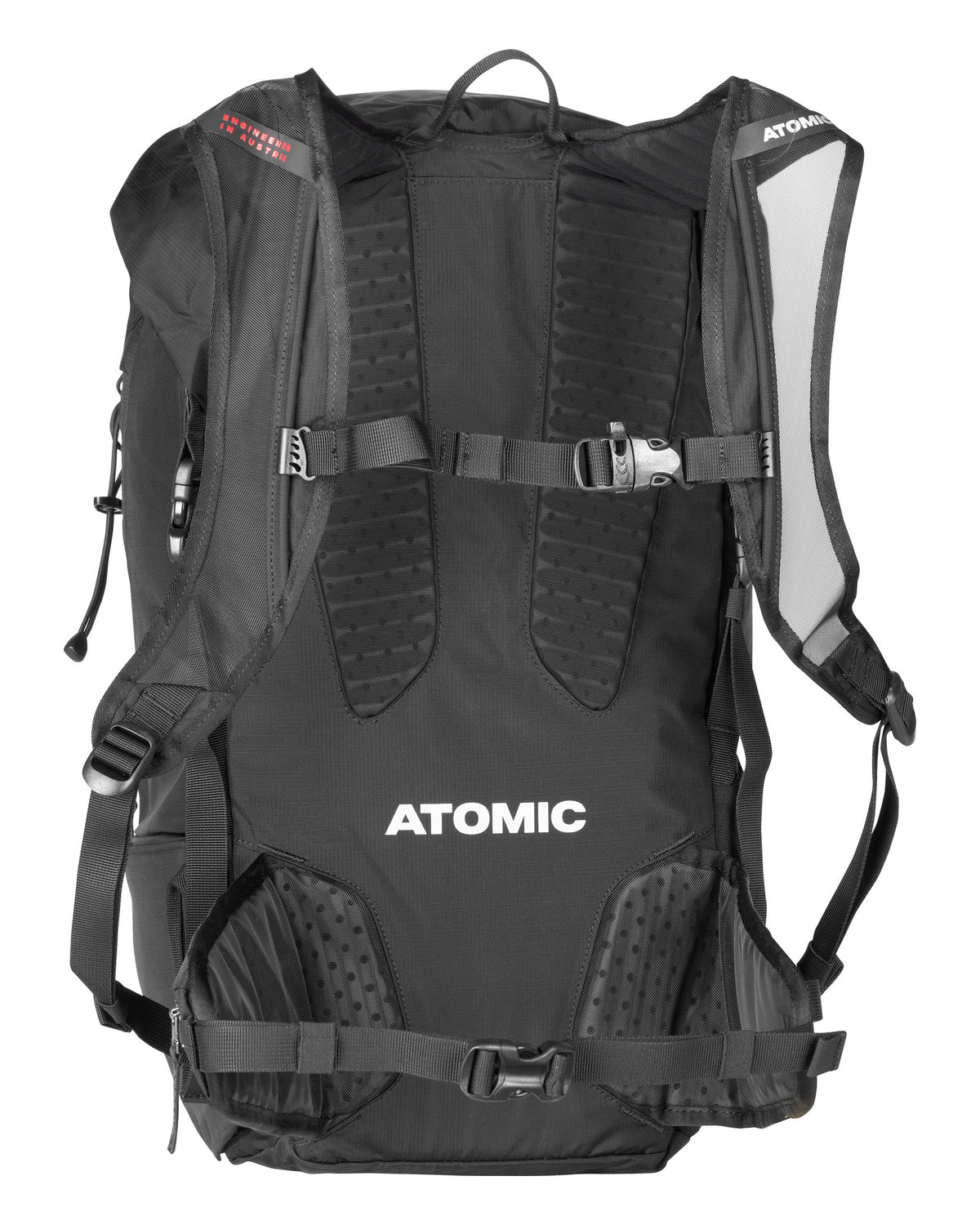
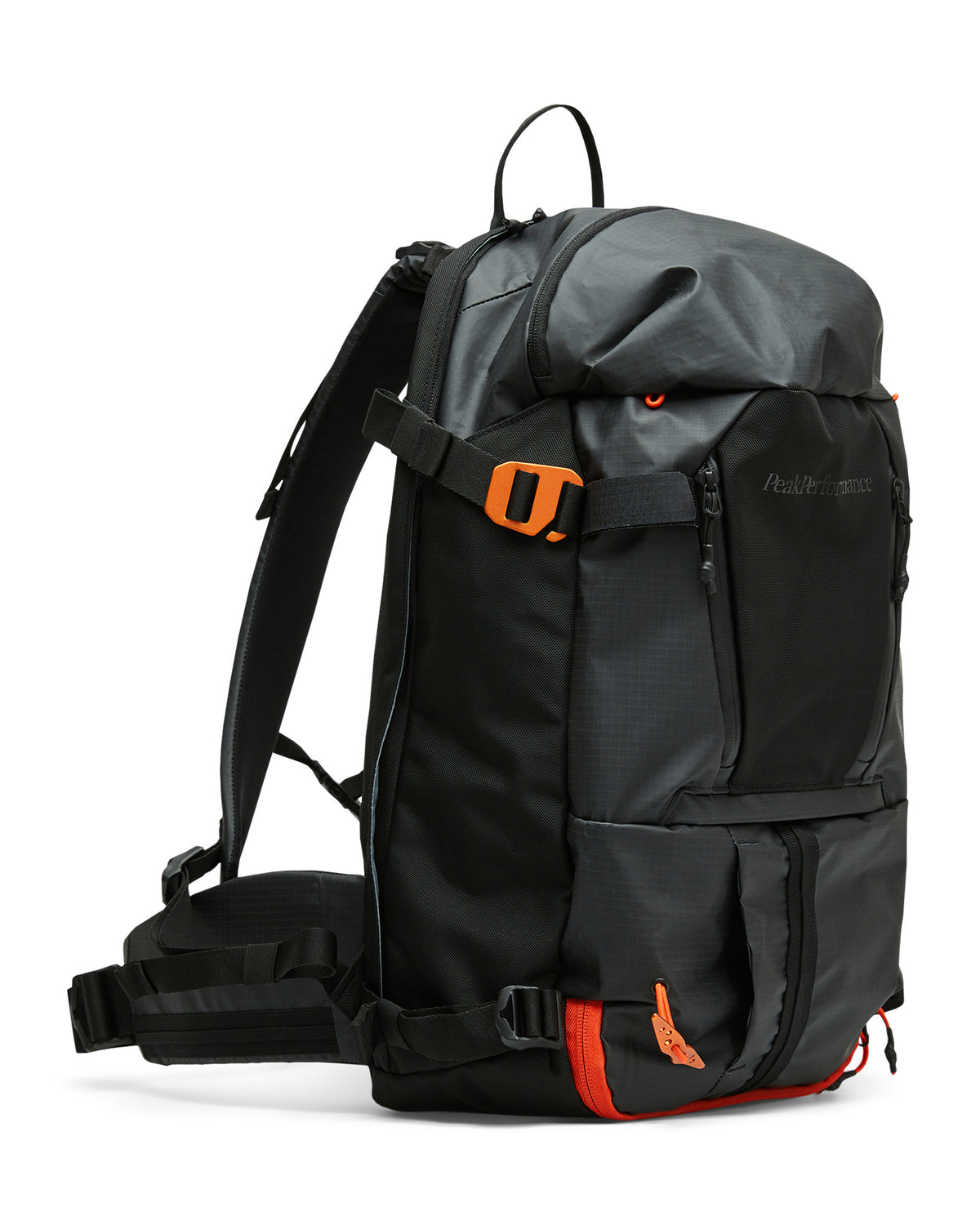
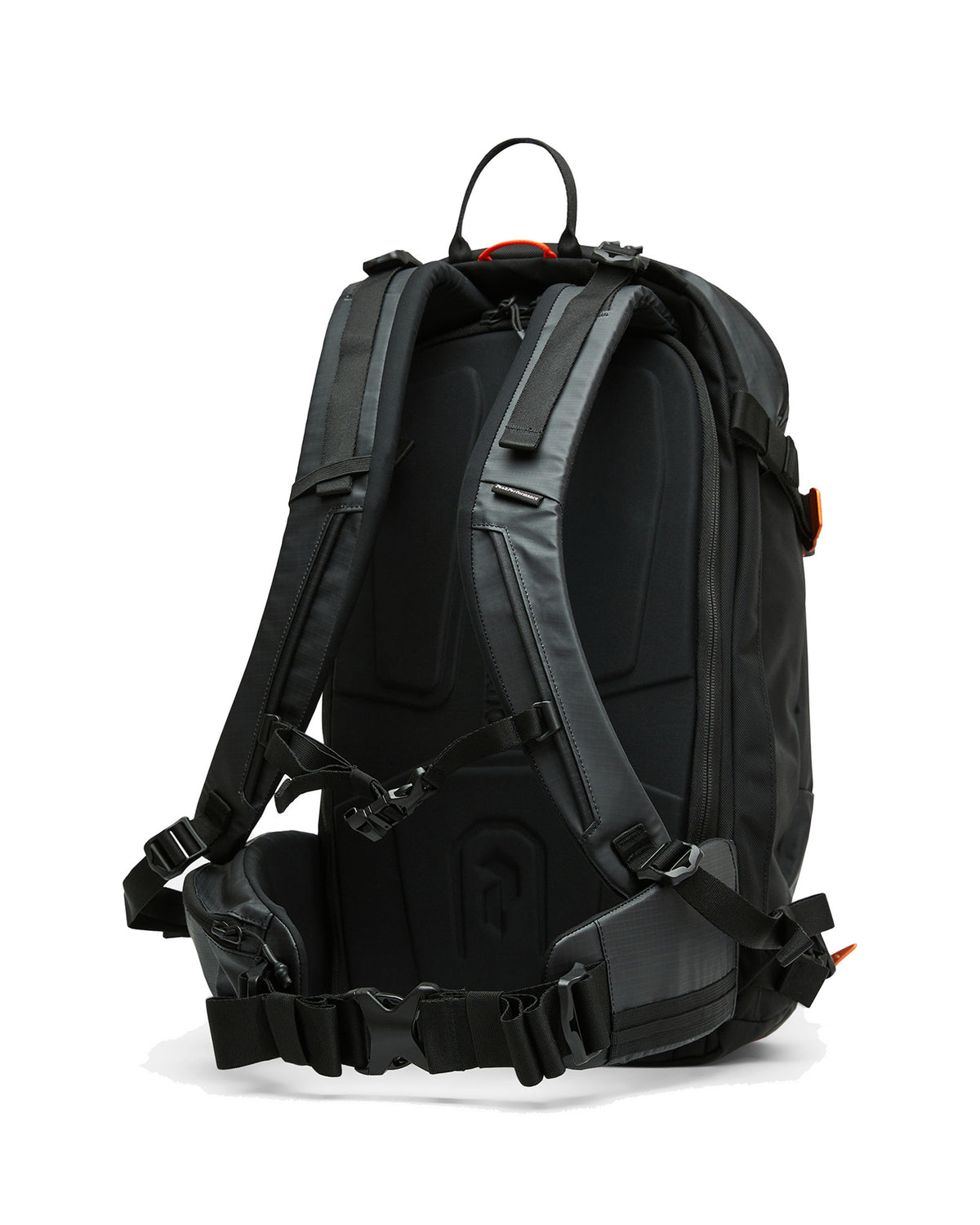
A backpack carries the contents on your back and leaves your hands free. Two shoulder straps allow for a different weight distribution than a single carrying strap. How comfortable this is depends on the strap shape, adjustment, back area, and load. A padded back alone does not guarantee a perfect fit. The backpack should fit the length of your torso and the weight you usually want to transport in it.
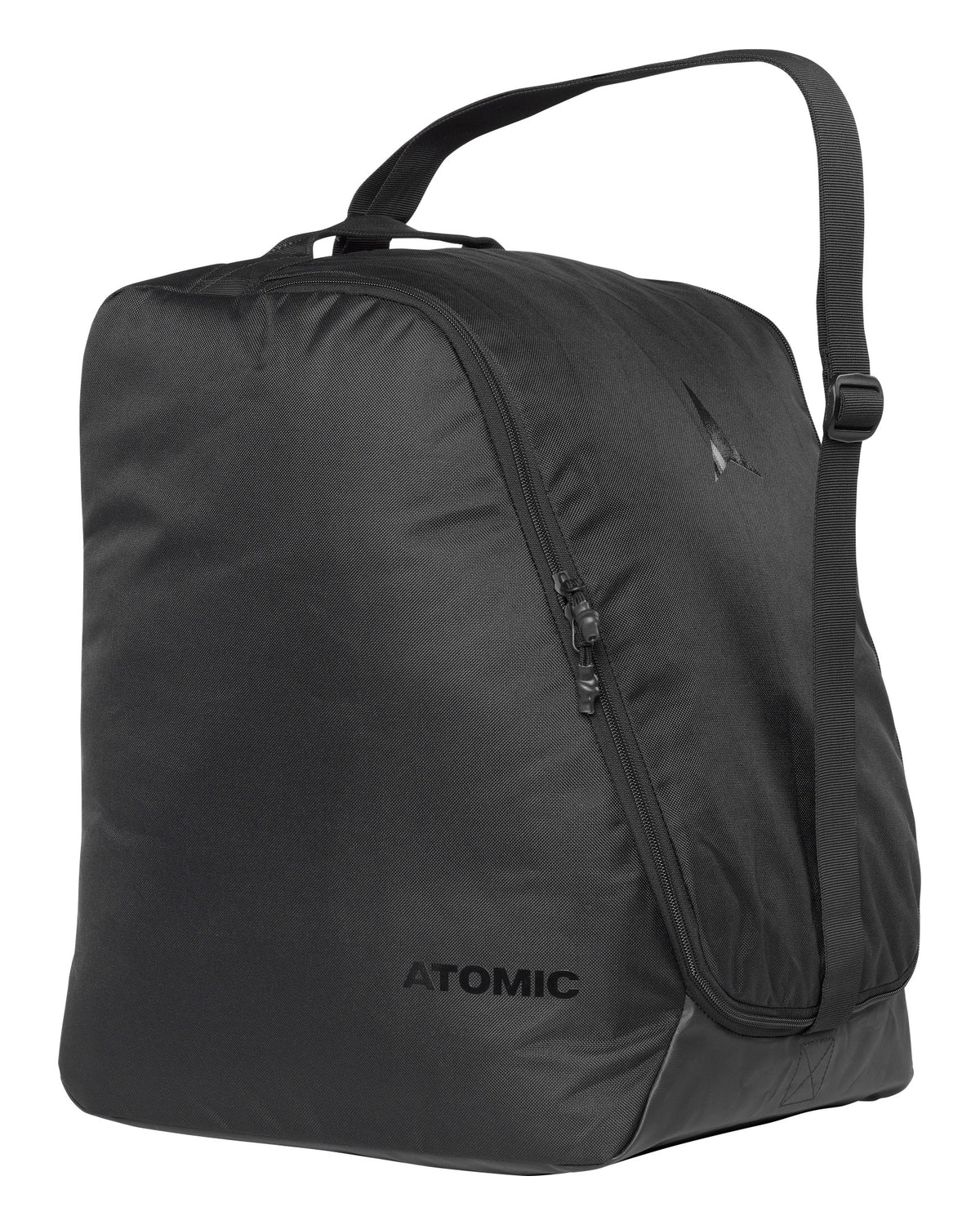
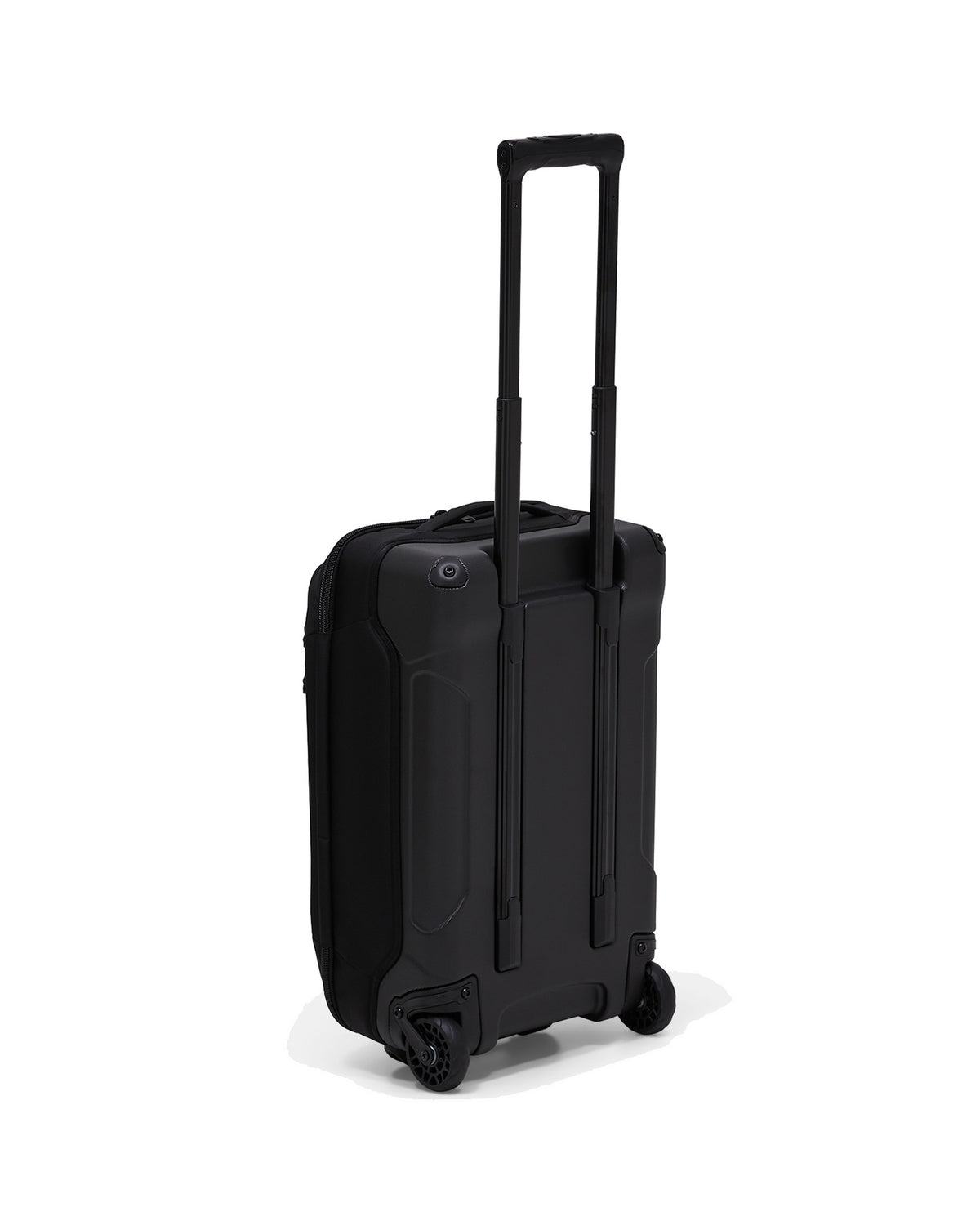
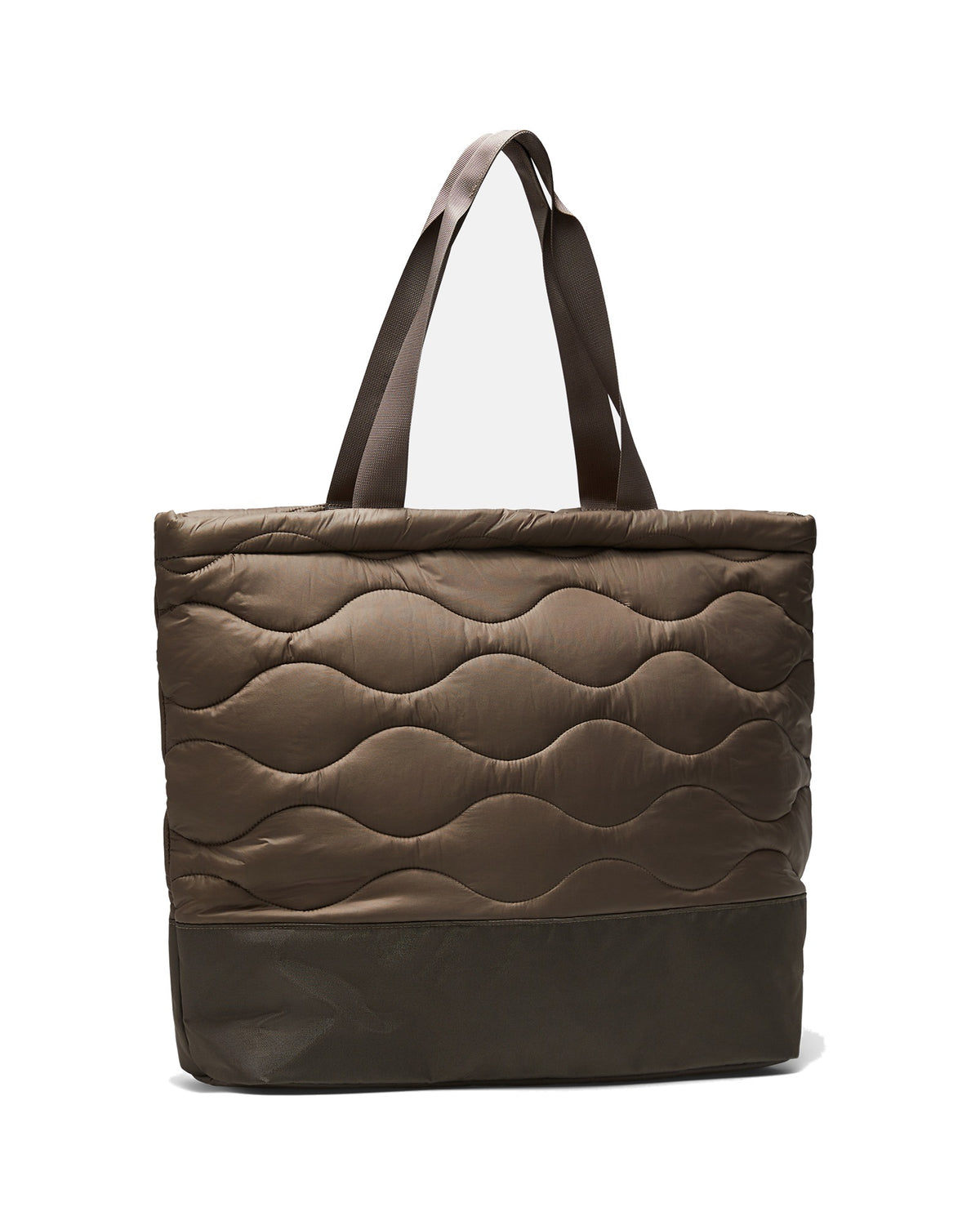
A duffel or sports bag often offers a wide opening and an interior that is accessible differently. This can be practical if you want to put in several larger items and carry the bag primarily for short distances. Handles and shoulder straps should match this handling. A very full bag on a single strap feels different than the same load on two shoulder straps. Therefore, decide not only based on the capacity, but also on the distance you will travel with it.
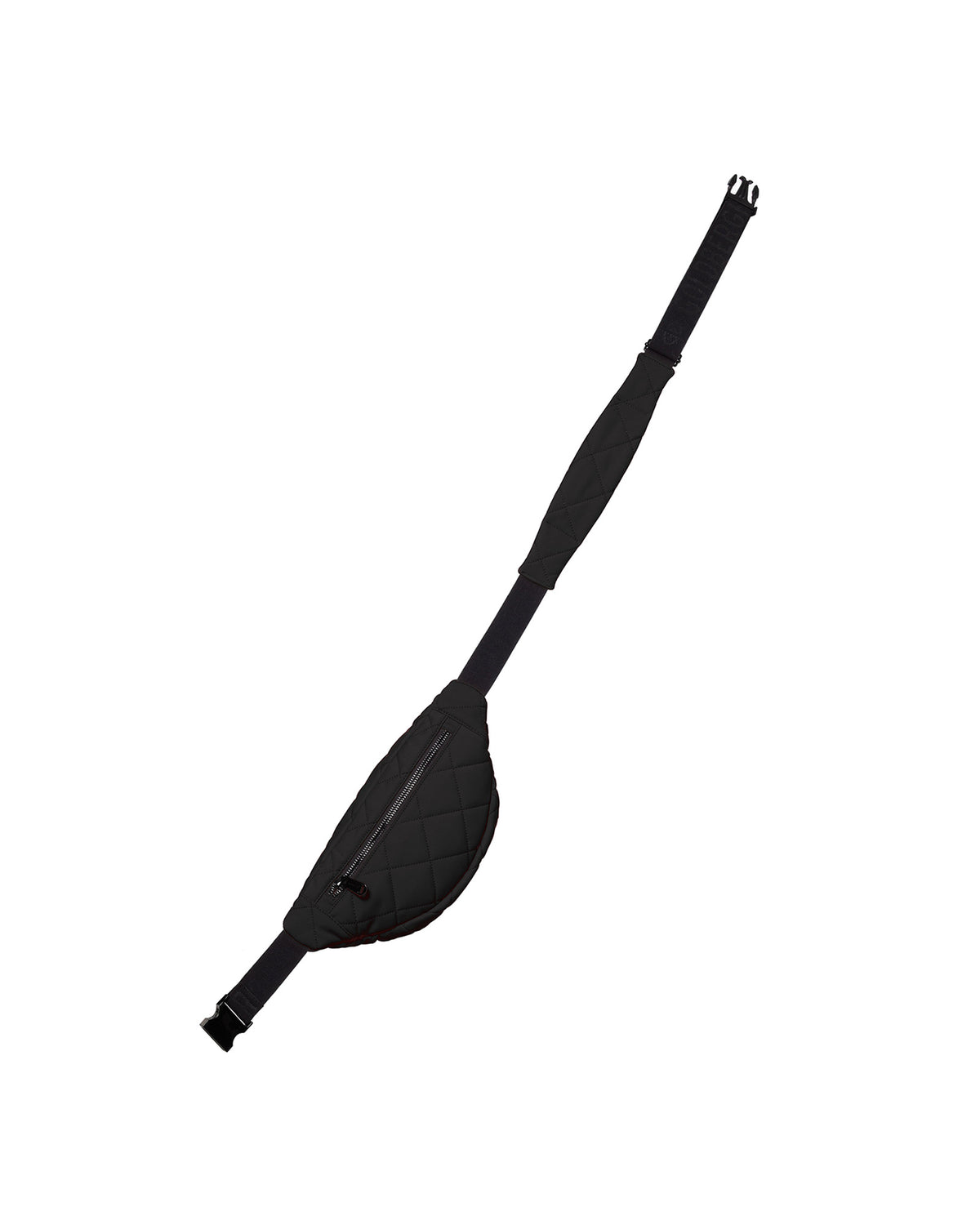
Some models offer multiple carrying options. Then check how the respective straps are attached or stowed and whether the shape remains practical for both positions. An additional carrying option is helpful if you actually use it. However, it does not automatically make the model equally good for all tasks. A clear focus, such as a daily backpack or a spacious bag for equipment, simplifies the choice.
Reading Volume and External Dimensions Together
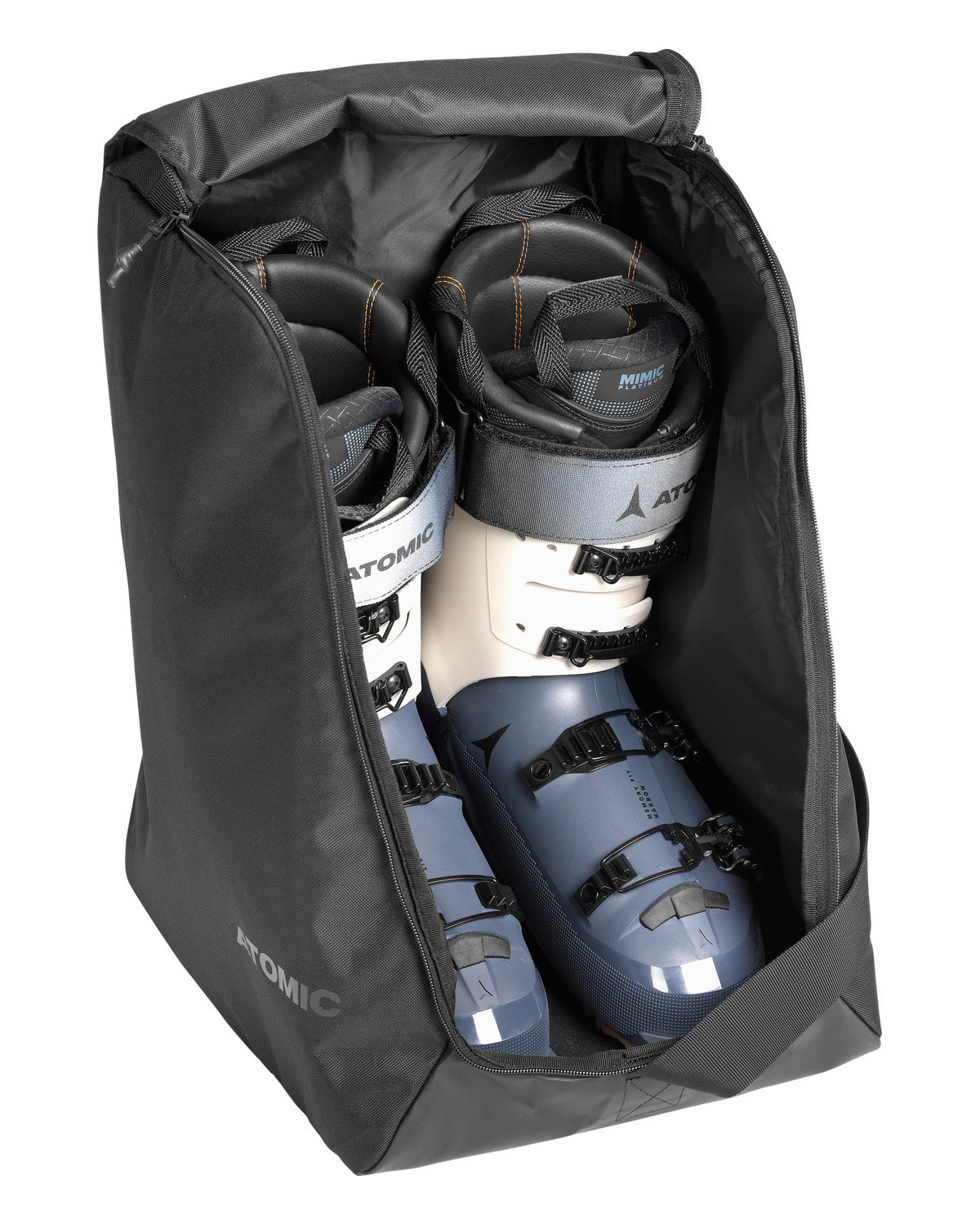
Liter specifications describe a magnitude but do not answer every question about usable space. A long, narrow compartment accommodates different items than a wide main area. Fixed dividers can improve organization, but also limit free space. Therefore, compare the shape, depth, and opening in addition to the volume. If you want to carry specific equipment, its real dimensions are often more informative than a single total number.
For sensitive devices, it matters whether there is a compartment explicitly provided for them. The fact that a laptop could theoretically fit is not the same as a suitably padded area. Compare device dimensions and compartment description without inferring universal suitability from the backpack format. A bottle or a pair of shoes also requires a different organization. A careful packing list makes these differences visible even before purchase.
Daypack for City and Active Leisure
For daily commutes, easily accessible compartments are often particularly useful. Keys or small items should not constantly disappear under all the contents. Consider what you want to take out on the go without fully opening the backpack. At the same time, many small pockets are not automatically clearer. Those who prefer a clear main area may find fewer subdivisions easier to manage than a very detailed organization.
For active leisure, a secure fit on the back is important. Pay attention to adjustable shoulder straps and, if applicable, other explicitly provided straps. They must match the model and the planned use. An everyday backpack does not automatically replace a specialized hiking backpack. If you combine it with men's sportswear, consider the entire activity and not just the similar appearance of clothing and bag.
Duffel and Sports Bag for More Equipment
A large opening makes it easier to place clothes and larger items next to each other. For sports shoes, a separate compartment can be interesting if it is actually described. If such a separation is missing, you should plan the organization accordingly. The outer size alone does not prove that shoes can be stored separately from the rest of the contents. The same applies to wet clothes or other items that require their own area.
For a more filled bag, pay attention to the handles and their position. Two easily accessible carrying points can offer different handling than a single long strap. The opening should also close freely without contents constantly pressing against the zipper. A little reserve is practical; unnecessarily much unused space, however, can make the bag larger than you need it for your usual routes.
Coordinate Carrying System with Jacket and Load
Straps fit differently over a thin layer than over a thick men's jacket. Plan for your usual clothing setup, especially if you want to use the same bag in winter. The adjustment should offer sufficient leeway and be reliably manageable. A backpack that only feels comfortable when empty does not fully answer the subsequent carrying question. What matters is its shape with the contents you actually transport.
Distribute heavy items so that the bag can be carried stably according to its intended design. Loose items can shift when moving and change the feel. Use existing compartments sensibly and avoid a load that permanently strains closures. Elaborate padding does not automatically compensate for an unsuitable size or unfavorable packing. Good organization and suitable construction go hand in hand.
Distinguish Material and Weather Protection
Textile surfaces can be constructed differently in terms of density, softness, or firmness. Coatings and reinforcements apply only where and in the form described for the model. A water-repellent bag is not automatically waterproof. Zippers, seams, and openings also play a role in desired moisture protection. For sensitive contents, you should not assume any property that is not evident from the description.
The bottom can be constructed differently from the sides. If you often set the bag down, this part is just as interesting as the visible main material. Fittings, solid back panels, and additional dividers also influence the empty weight. Therefore, do not just compare which bag is lightest when empty. What remains decisive is which construction supports your use with the most suitable handling.
Care, Organization, and the Right Complement
Remove loose dirt and empty the bag before cleaning. Follow the procedure according to the material and manufacturer's instructions; machine washing does not automatically suit padded or coated constructions. Dry damp parts according to their specifications and do not store them closed with wet contents for unnecessarily long periods. Straps, closures, and seams also deserve an occasional look, as they influence daily handling.
Finally, choose the form that best represents your most frequent task: a clear backpack for daily commutes or a more spacious bag for clothes and equipment. Color and design can then be coordinated with men's accessories. A good format does not need the maximum possible features. It convinces by the fact that the contents, access, and carrying method suit your personal, frequently recurring routine, and you can actually use the existing details meaningfully.
04At FREUDENHAUS
05Questions about the category