


Choosing Men's Ski Boots by Foot Shape and Skiing Style
Men's ski boots are selected according to foot shape, size, and skiing plans. Compare Mondopoint, last volume, and flex, as well as the cuff and closure. Here you will find guidance on specific fit directions, BOA, the liner, and the connection to the binding, so that technical details complement a suitable basic shape and the selection remains professionally understandable.




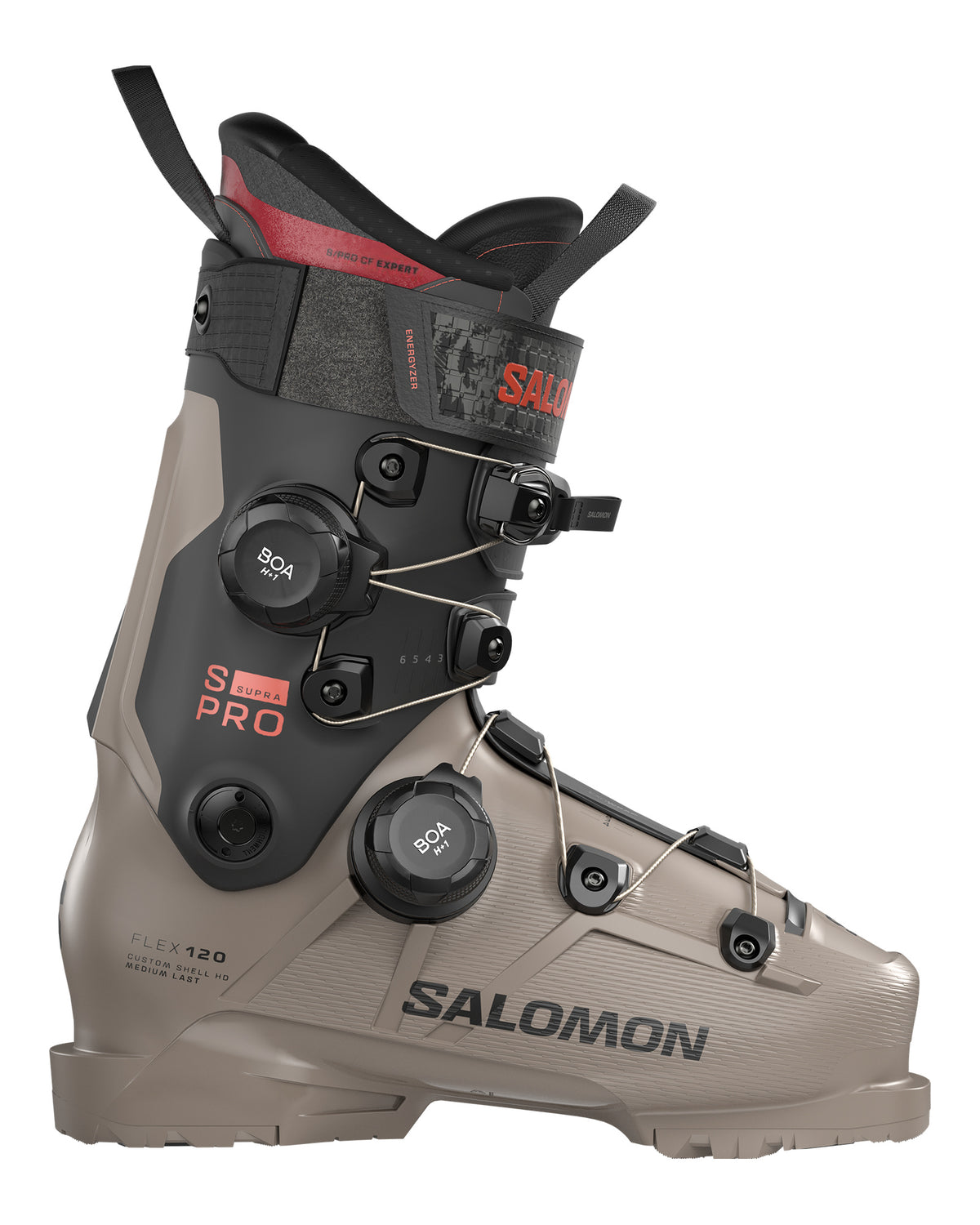
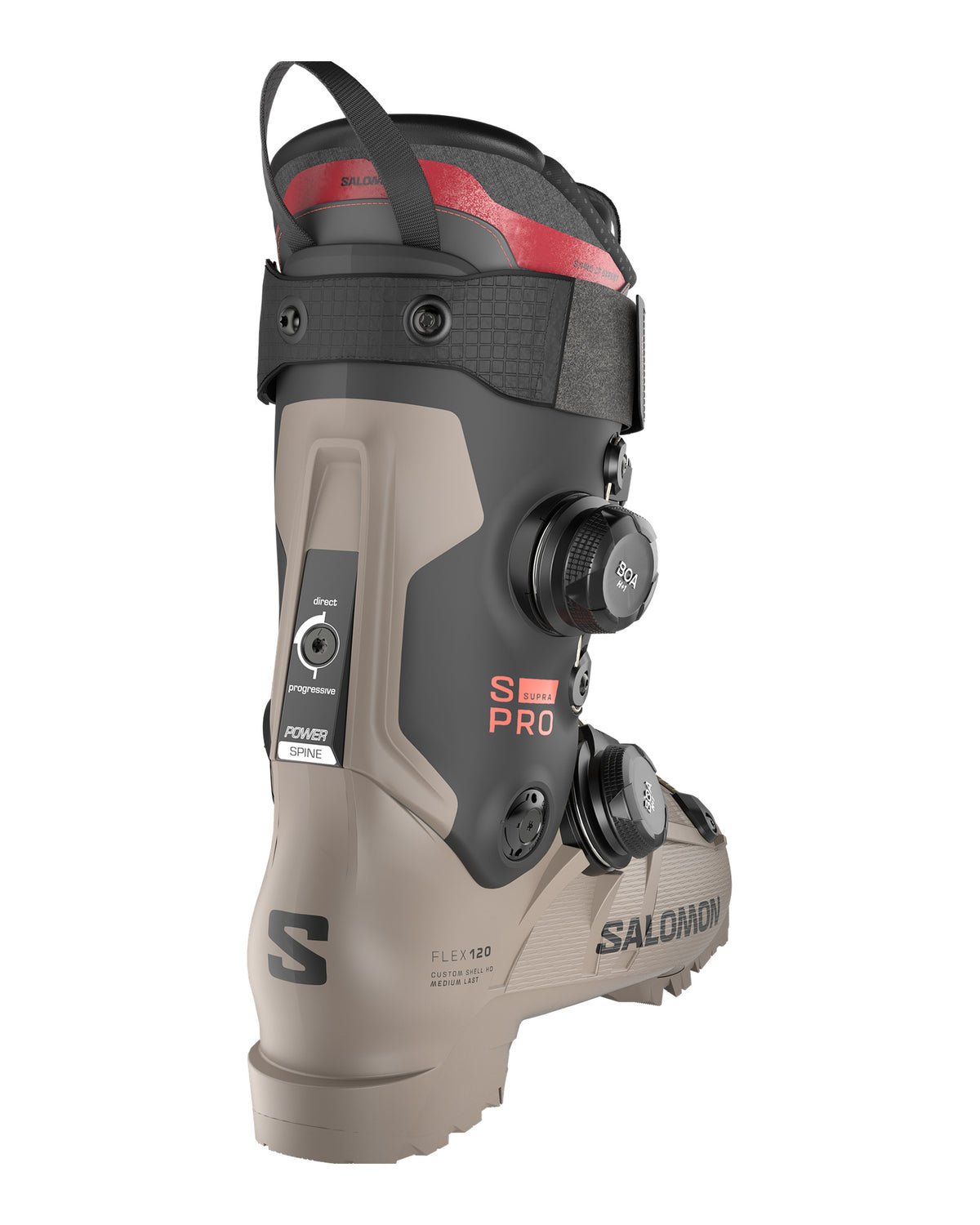


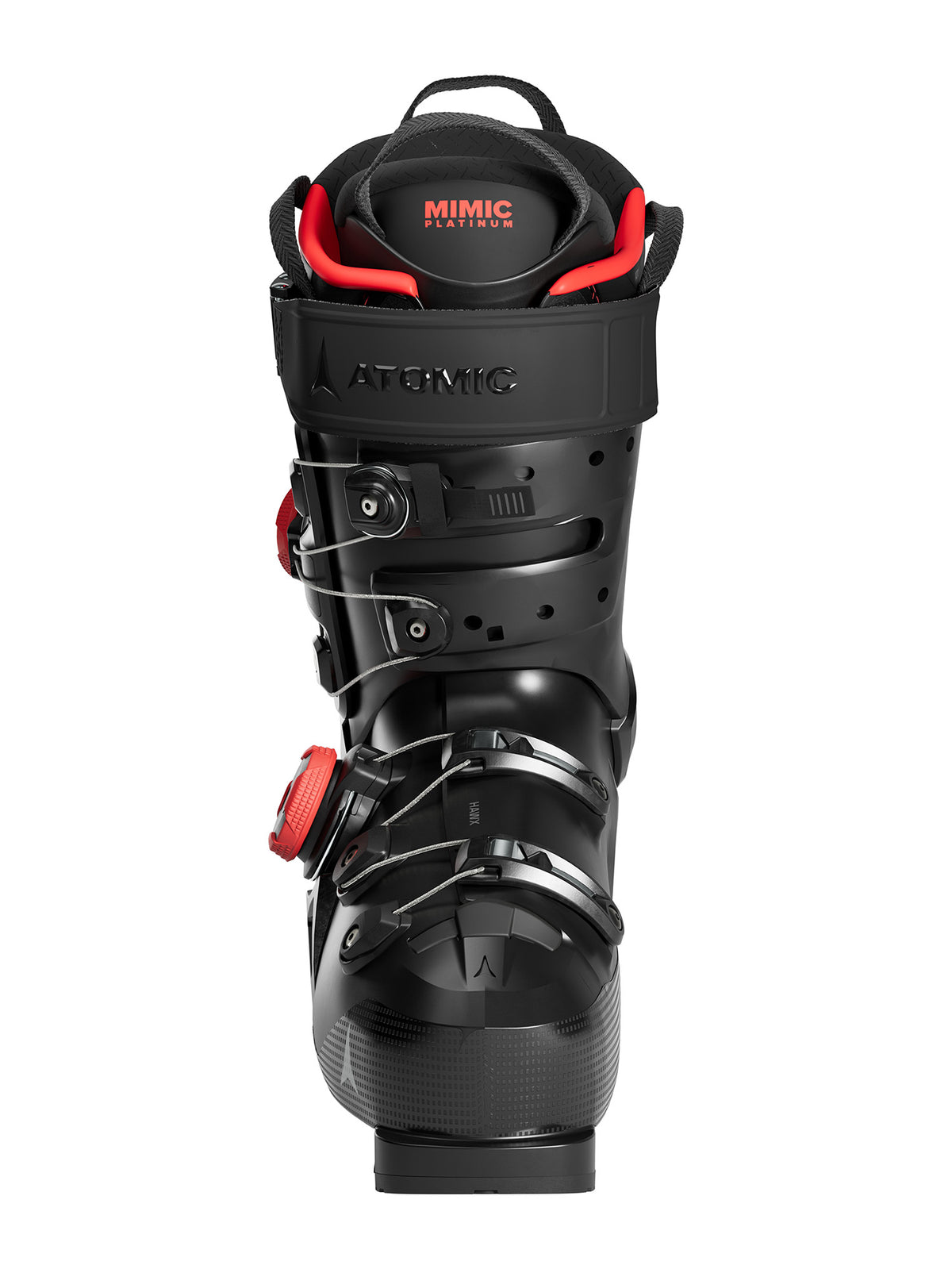


Men's Ski Boots: The Right Fit Comes First
A ski boot connects your foot to the ski and binding. Therefore, it is crucial for selection that the shape, size, and intended use match. A high flex rating, a new closure, or a well-known model does not replace this fundamental principle. Start with your foot measurements and your skiing intentions. Then, shell volume, cuff, and features can be sensibly compared. This transforms a technical feature list into a comprehensible decision for a boot that should fit you.
The men's selection is a targeted entry within the general ski boots category. However, the categorization does not explain every fit. Feet differ in length, width, and volume; lower legs in circumference and proportion. A model must therefore be evaluated on the specific body. Do not choose solely based on the usual size of a casual shoe or a color that matches the rest of your equipment. The contact inside the boot remains the central criterion.
Mondopoint Describes Foot Length, Not Every Dimension
Ski boot sizes are usually given in Mondopoint and refer to foot length in centimeters. This measurement should not be equated with the sole length in millimeters stamped on the outside. Both numbers have different purposes. For initial size orientation, use a measurement according to the manufacturer's instructions and compare the associated table. EU or other shoe sizes can supplement orientation but should not be arbitrarily transferred without the specific conversion context.
Foot length is a starting point, not a complete fit diagnosis. Width, instep height, and heel area are also factors. Both feet can also differ and should be considered. A longer boot is not automatically a sensible solution for a wide forefoot. If the heel then has too much room, the wrong dimension may have been altered. A suitable basic shape is more helpful than a size compromise that creates new problems elsewhere.
Distinguishing Last Width and Overall Volume
The last describes a basic form of the boot; a stated width refers to a specific measurement range and often to a reference size. It should therefore not be read as an unchanged internal width for every available boot size. Consider the manufacturer's specification in the respective context. Two models with similarly named widths can still differ at the instep, heel, or cuff. A single millimeter value does not explain the entire space around the foot.
Terms such as narrow, medium, or wide facilitate initial orientation. However, they are not a universal comfort scale. A wider boot is not necessarily more comfortable if a narrow foot finds little guidance within it. Conversely, a narrow construction should not be chosen solely for a sporty image. What matters is which shape suits your measurements and the desired fit. Technical features are only meaningfully compared on this basis.
Atomic Hawx as an Example of Different Fit Directions
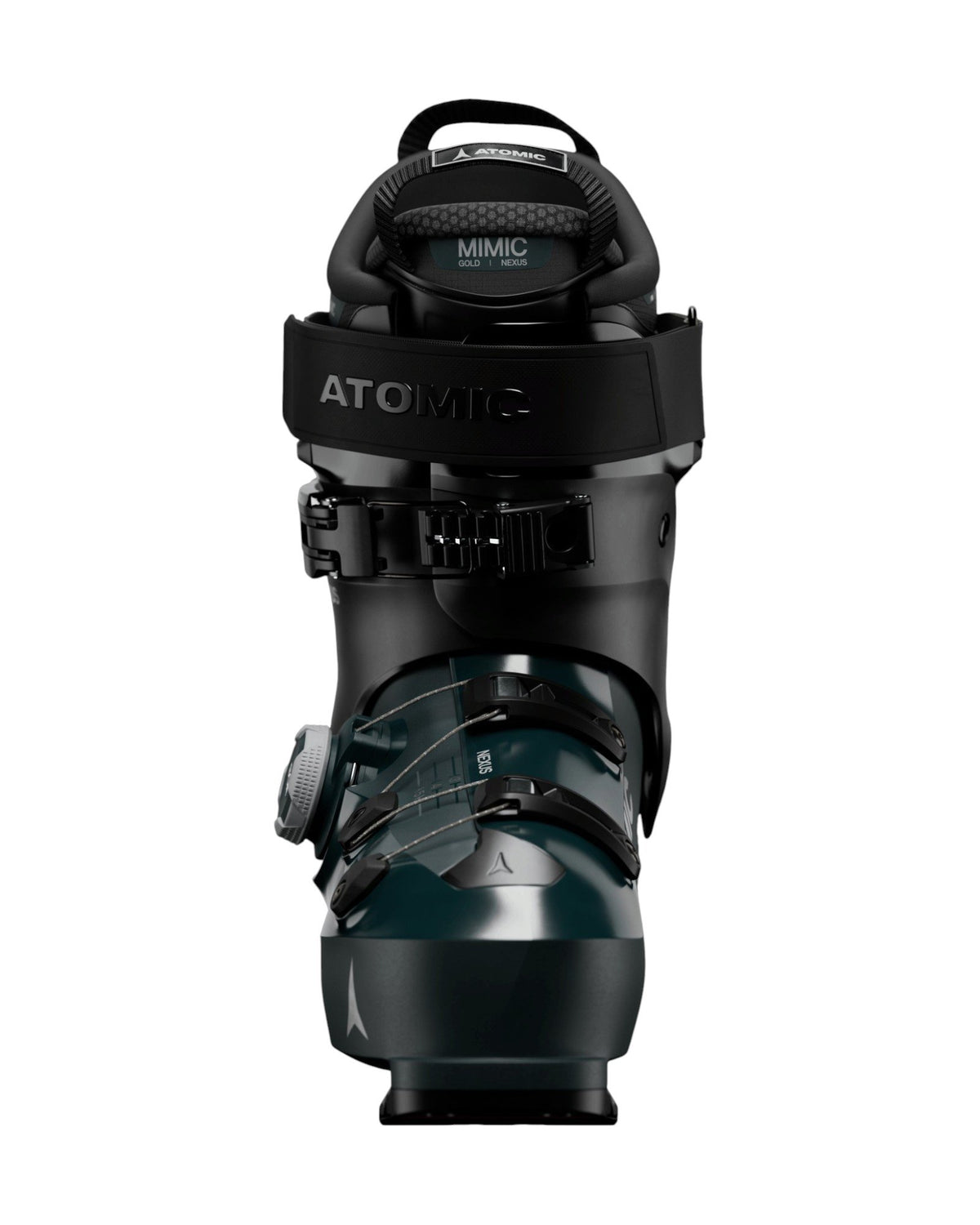
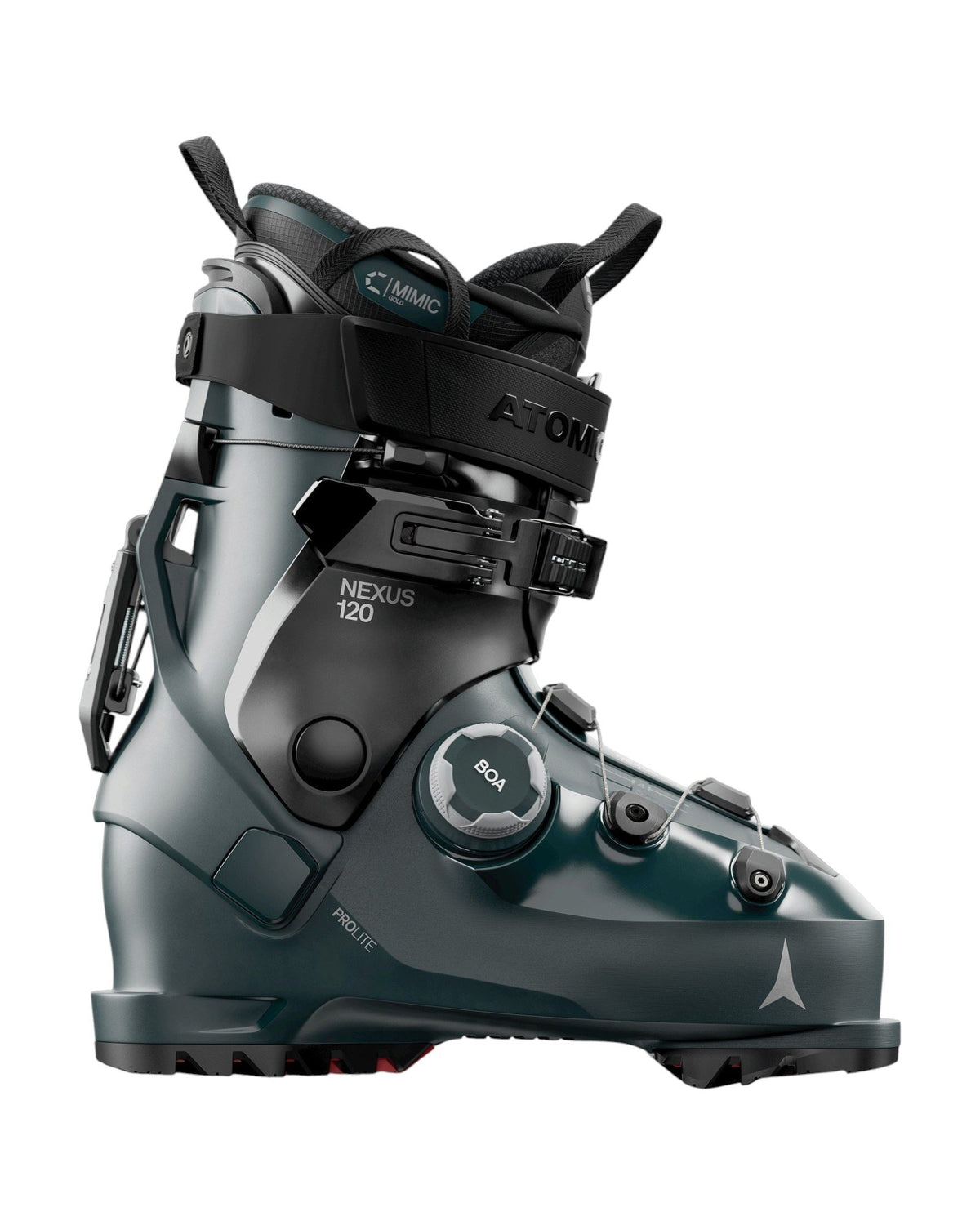
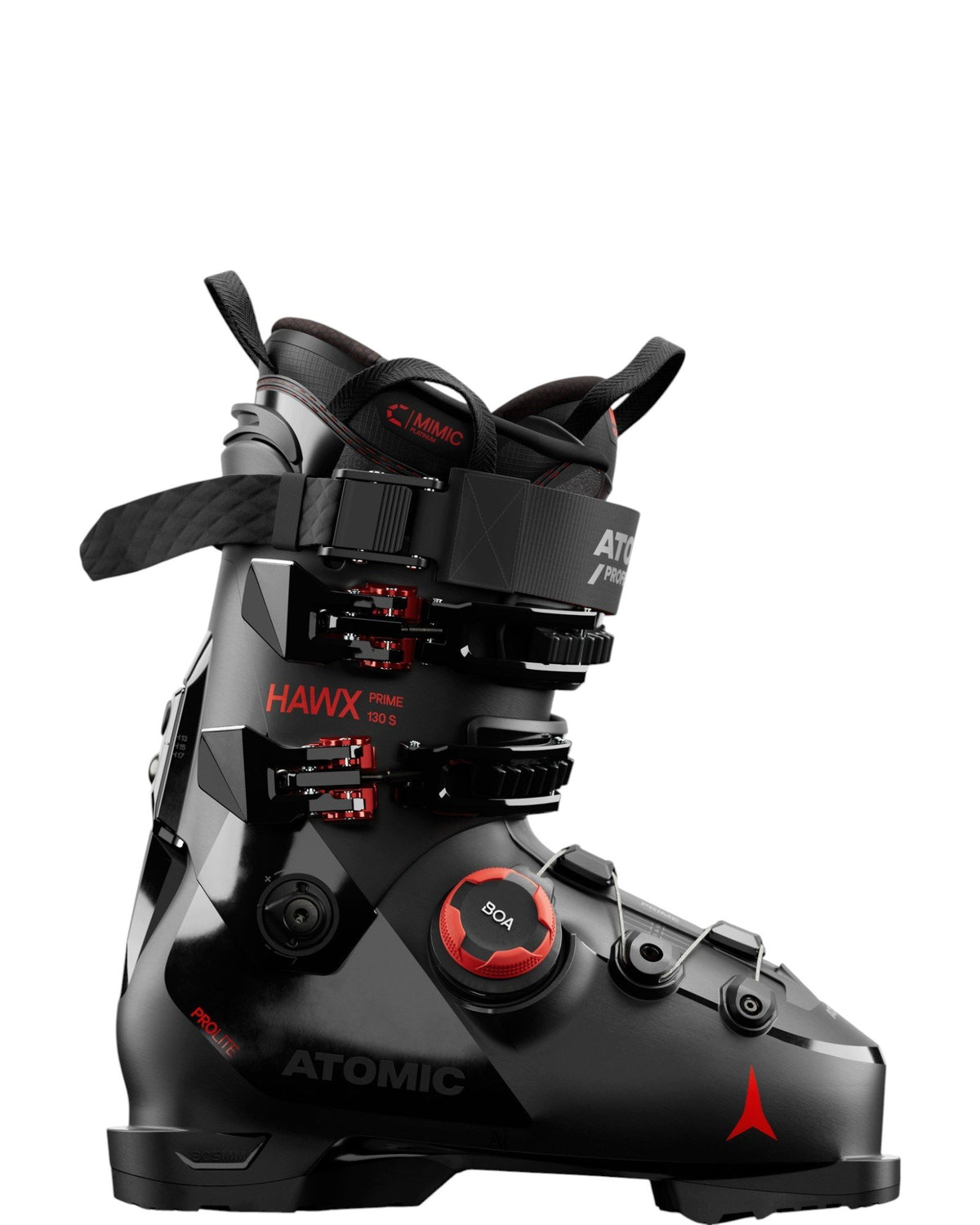
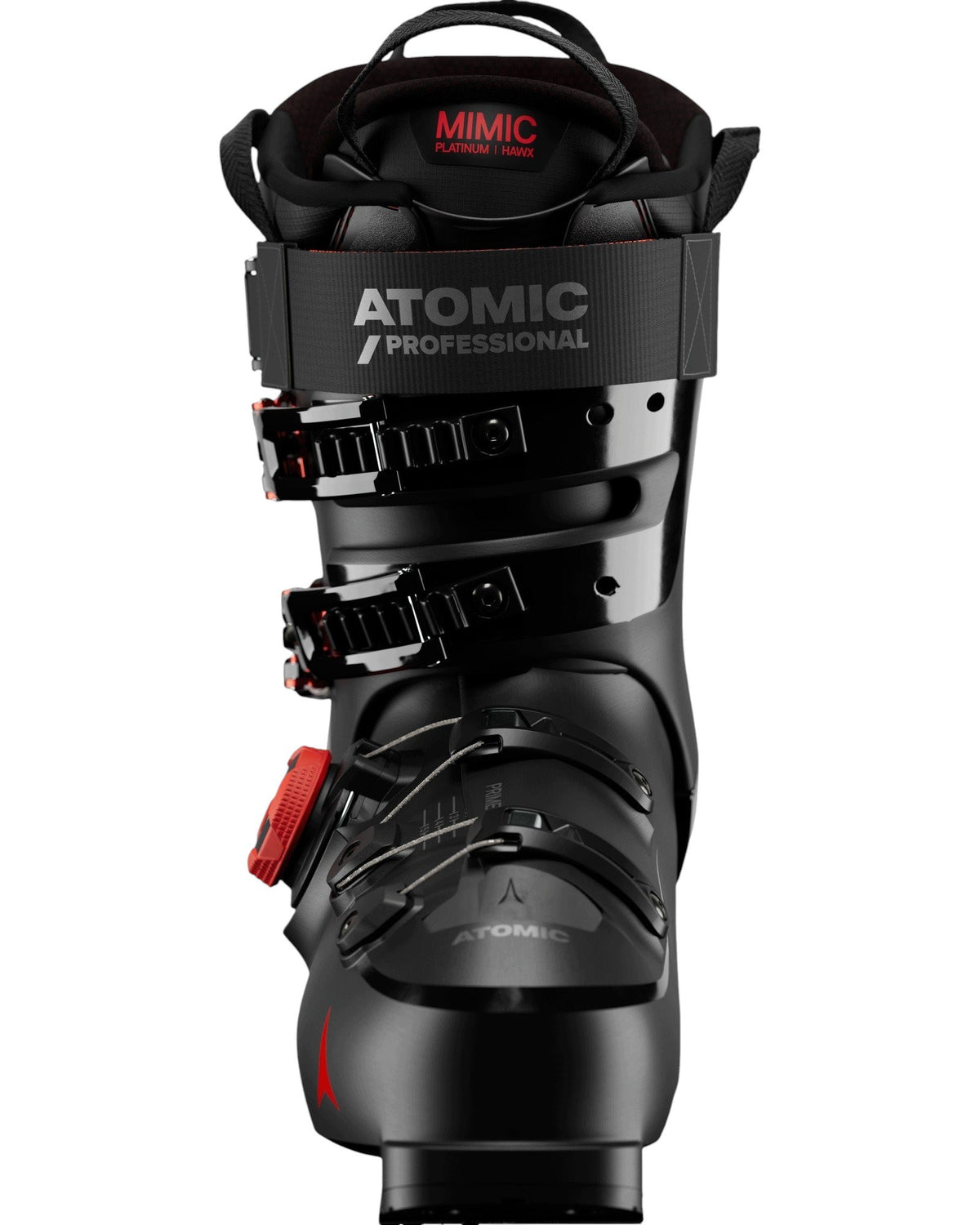
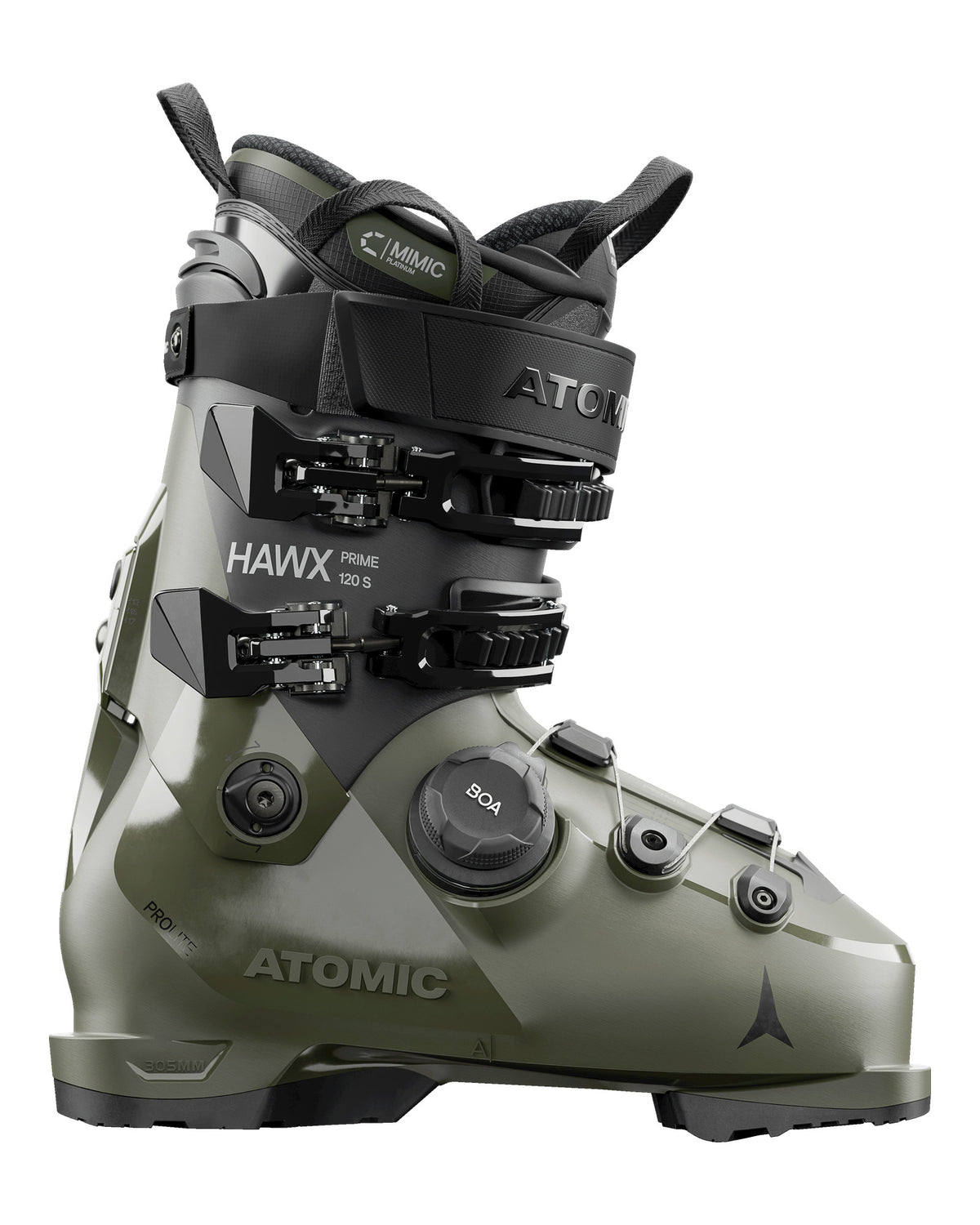
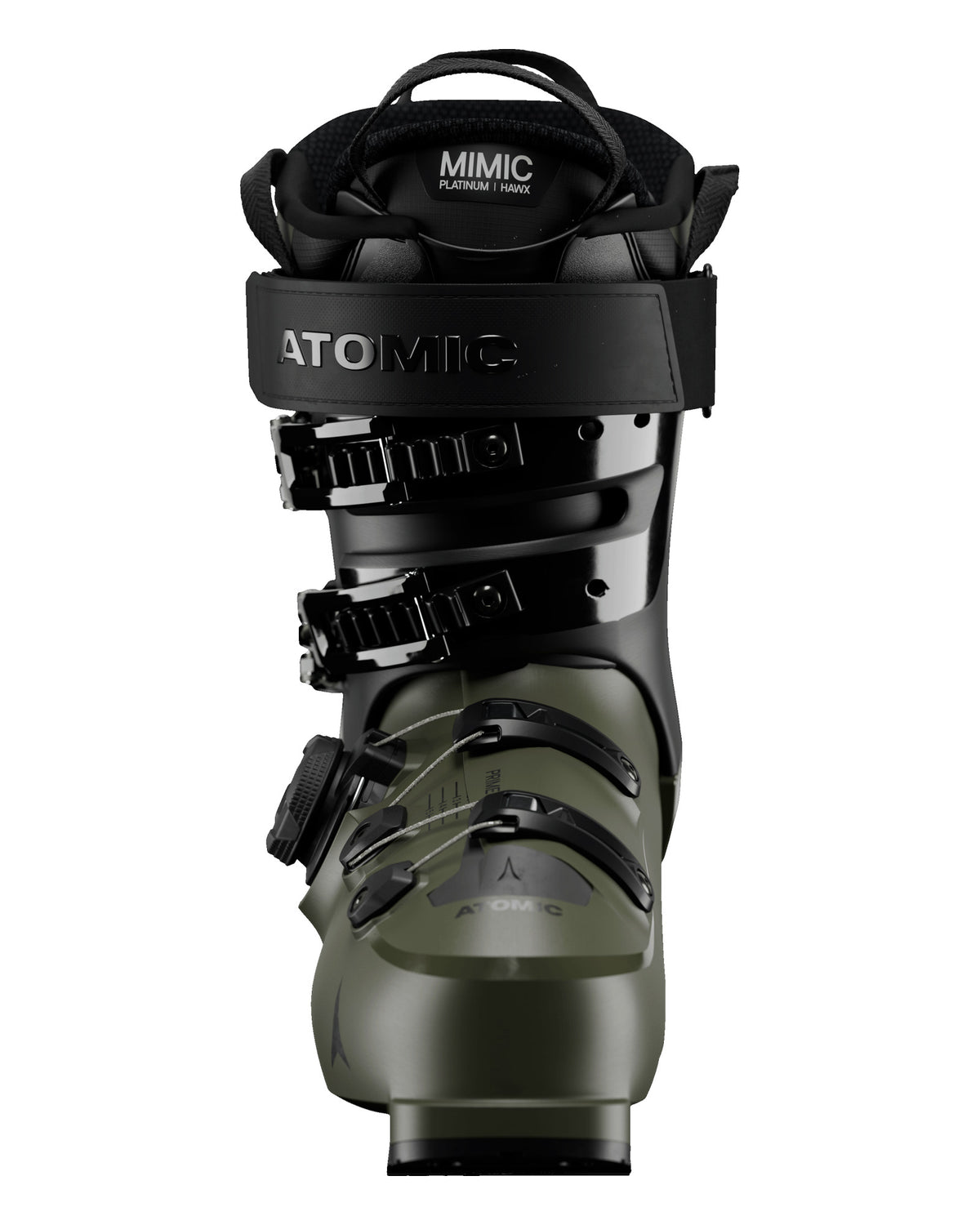
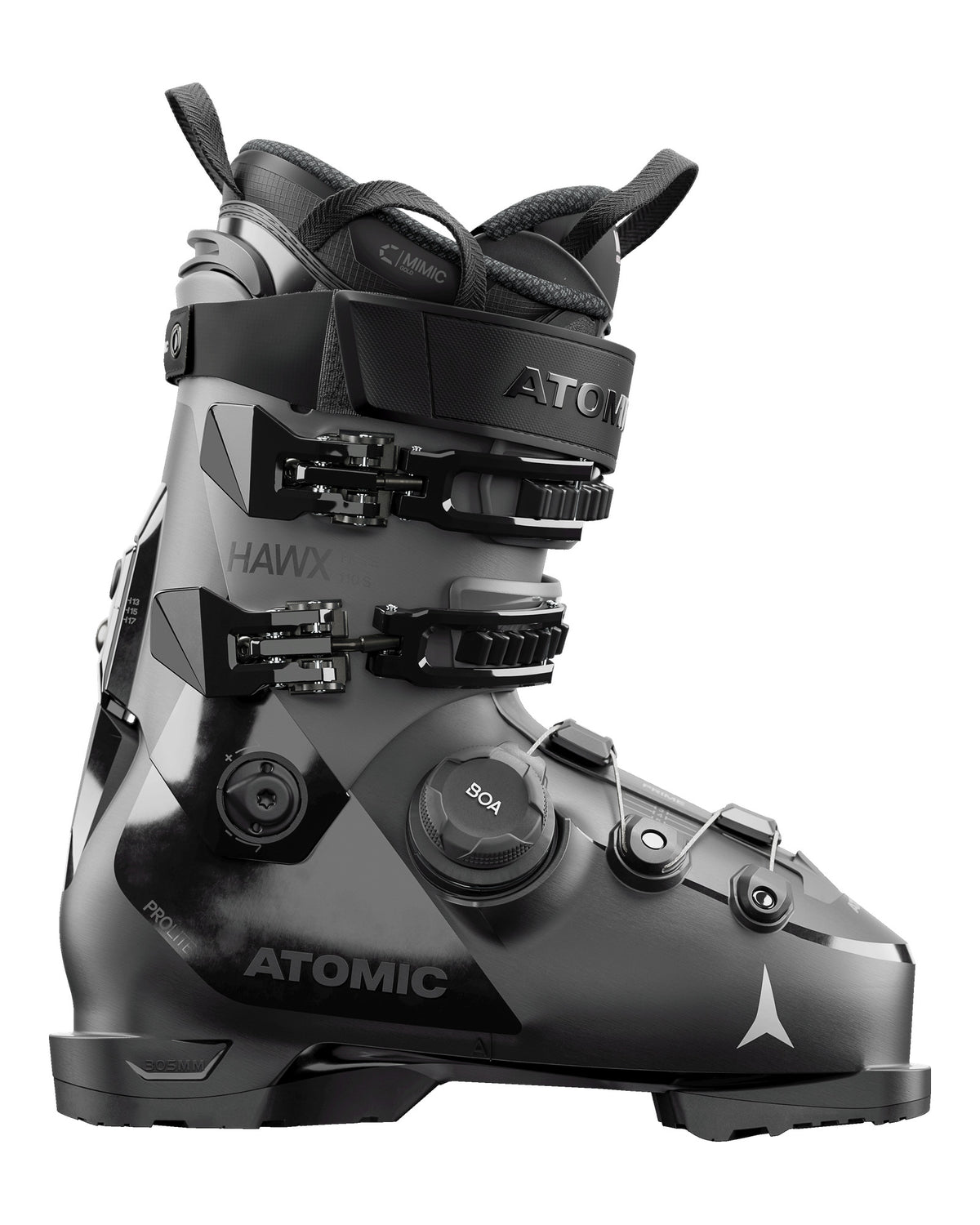
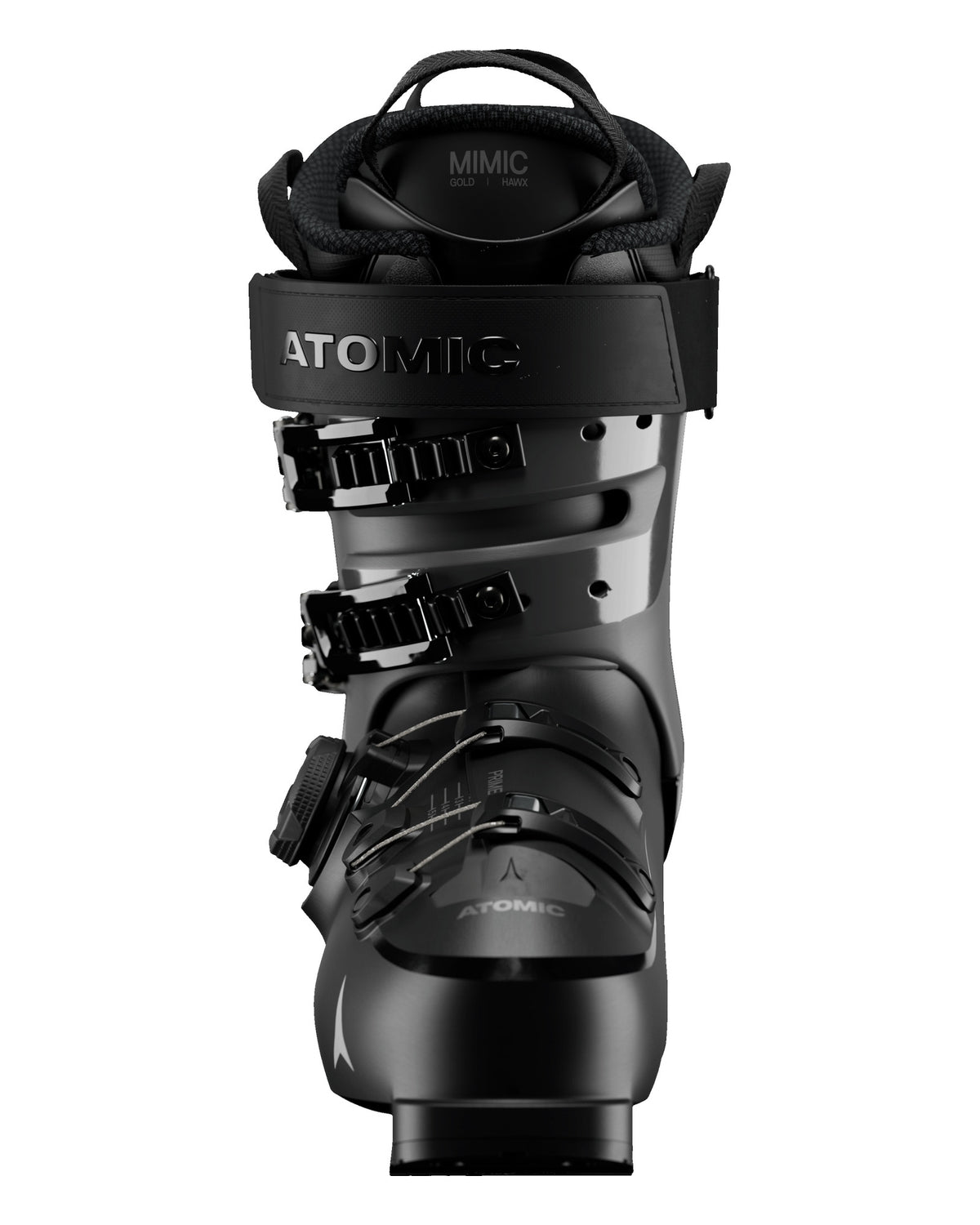
Within the Hawx family, Atomic assigns Ultra to a narrower fit, Prime to a medium fit, and Magna to a wider fit. This shows how a manufacturer offers multiple shapes within a well-known family name. However, the specific execution must still be considered with its own specifications. Flex, closure, and other features can vary. Therefore, the name Hawx alone does not imply an identical fit or function for all models.
An example like this family helps with orientation but is not a guarantee that every variant is available in your size. Compare the actually offered items in the Atomic selection and their full designations. Even a familiar model name should be re-examined for a different generation or version. A previously comfortable boot is a useful reference point, but not an automatic guarantee for every subsequent model.
Classifying Flex According to Person and Use
The flex rating describes a manufacturer-specific classification of stiffness or resistance when bending the boot. It is not an exactly standardized performance number across brands. Body type, strength, mobility, skiing style, and the specific model all play a role in the selection. A higher value is therefore not automatically better, and a lower one is not automatically insufficient. Use flex as a comparison point within a professionally appropriate pre-selection.
Temperature and construction can also influence how a boot actually feels. The impression in a warm environment is therefore not identical to every situation in the snow. However, this does not result in a simple calculation rule for the correct value. Avoid blanket formulas based solely on weight or skill level. The sensible decision combines the person with the actual boot and its intended use, instead of making a single number the entire purchase advice.
Assessing Heel, Instep, and Cuff Together
A ski boot should hold the foot according to its design without assuming pronounced uncomfortable pressure points as a normal state. Pay particular attention to the heel, instep, and contact on the lower leg. If support is only achieved by extreme tightening, the basic shape may be unsuitable. A very soft first impression, on the other hand, is not automatically proof of the correct size. The boot is evaluated according to its complete fit and intended function.
The cuff meets the calf and shin and can feel different depending on its height and shape. A suitable foot length does not automatically guarantee a suitable cuff. Closures and upper straps also belong in this context. Have the combination professionally assessed if the appropriate shape remains unclear. A targeted fit check is different from trying to make any model fit with as much tension as possible.
Buckles and BOA as Different Closure Concepts
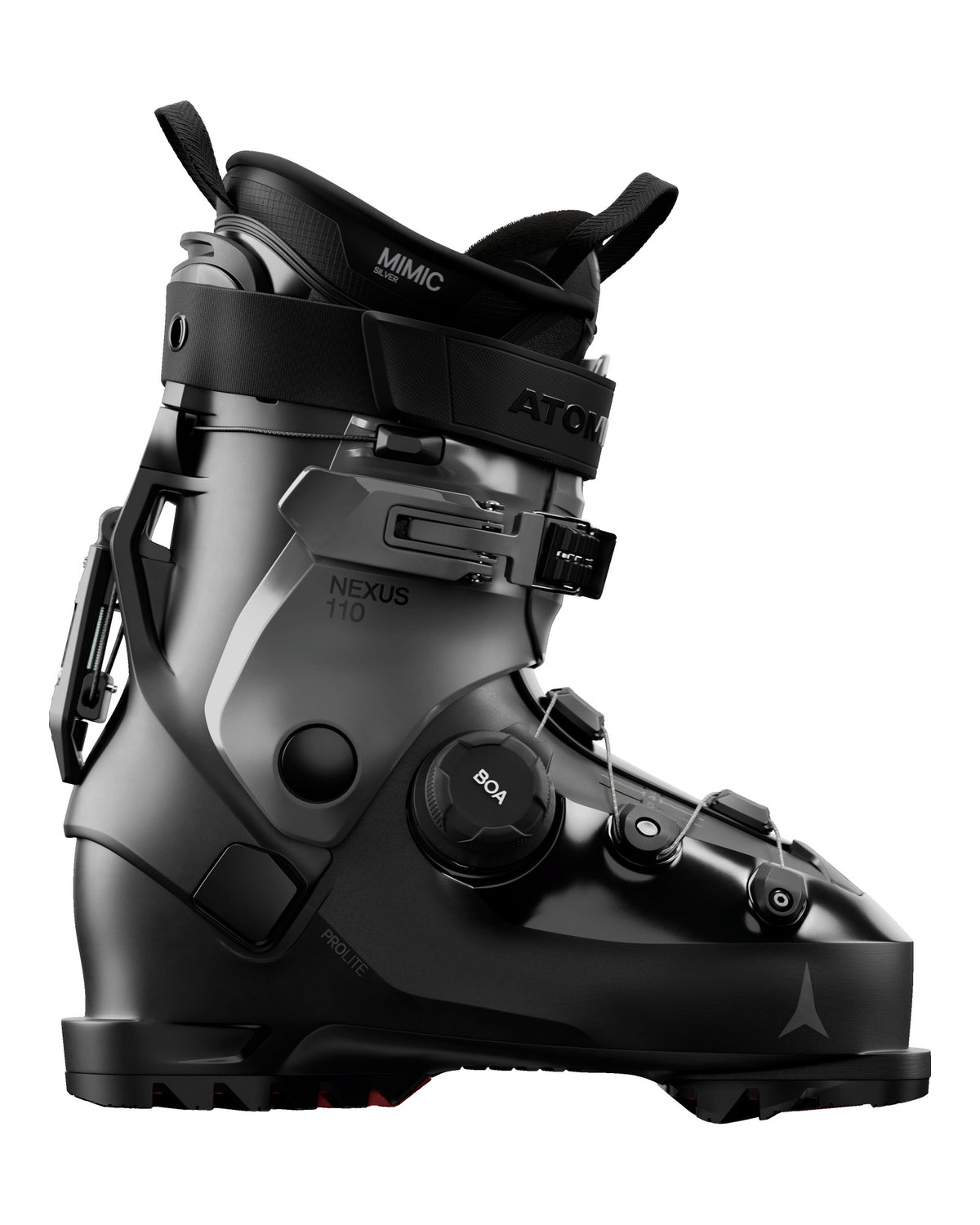
Buckles distribute the closure over the designated areas of the boot. In models equipped accordingly, a BOA system offers a different type of fine adjustment. BOA describes its alpine systems as an interplay with the shell and, in certain versions, the cuff. The closure is thus part of a specific construction, not a universal promise acting independently. A BOA boot must fit in its basic shape and size, just like a model with buckles.
Compare which areas are actually guided by which closure. A single rotary closure and a version with multiple zones are not automatically constructed identically. What matters is whether you can comprehensibly achieve the intended fit and understand the handling. Newer or more striking technology should complement a suitable shape. It is not a substitute for the correct selection of volume, cuff, and the specific model.
Liner and Possible Customization
The liner, together with the sock, forms the immediate contact with the foot. Material and construction can differ between models. Some versions have expressly intended customization options. Atomic, for example, describes thermally moldable solutions for certain liners and shells. Such procedures belong to the respective product concept and in expert hands. Not every boot can be changed in the same way, and not every unsuitable starting shape can be arbitrarily corrected.
Therefore, treat customization as a possible part of a suitable selection, not as an unconfirmed rescue for every bad purchase. A professional assessment can distinguish where more space, less volume, or a different basic shape makes sense. Do not heat or alter technical components using improvised methods. For the purchase decision, it is sufficient to know what options the manufacturer actually provides and whether the specific boot offers a suitable starting point.
Precisely Matching GripWalk, Alpine Sole, and Binding
The sole type is a technical prerequisite for the connection to the binding. GripWalk is currently classified according to ISO 23223, classic alpine soles according to ISO 5355. No blanket compatibility of any combination can be derived from this. The specific binding must be suitable for the respective sole type and version. Visible engagement or a common brand name does not replace this verification.
The ski bindings are therefore considered together with the boot. Sole length and other prerequisites must be expertly taken into account. Required mounting, adjustment, functional testing, and maintenance belong to an authorized specialized dealer according to manufacturer specifications. The expert inspection considers the real execution of boot and binding together. It is crucial to choose the appropriate equipment as an expressly suitable technical combination.
Ski Socks and Clothing in the Boot Area
The ski socks should lie as smoothly as possible and match the boot fit. Heavy padding takes up more space than a thinner construction. More material is therefore not automatically more comfortable. Choose a suitable single layer and pay attention to the heel, toe area, and cuff height. Two randomly pulled-on socks are not a sensible substitute for a suitable sock or a properly fitting ski boot.
Also, the end of the underwear should not lie unfavorably in the boot as a thick or folded layer. Consider this connection already when choosing clothing. A short or longer underwear construction changes the transition differently. The pants over the boot, in turn, have their own task. This clarifies in the close contact area which layer belongs where, instead of using additional fabric to solve an ill-fitting shape.
Considering Skiing Intentions and Existing Equipment
A boot is chosen according to the person and use, while the ski should fulfill a suitable area of application. For predominantly groomed slopes, the piste skis category offers its own comparison. An everyday ski day may require different priorities than a very specific athletic endeavor. The exact combination should be expertly classified. A boot that is as hard as possible is not an automatic prerequisite for using a certain type of ski effectively.
When comparing, note what works with your current boot and what needs to be changed. More room at the instep, a different heel fit, or different handling are specific pieces of information. They help to specifically look at suitable models. A general statement like more comfortable or sportier is less precise as a starting point. The clearer the task is defined, the more comprehensible the differences between possible constructions become.
Drying, Storage, and Final Selection
Observe the manufacturer's instructions for care and storage. Atomic, for example, describes for its touring equipment completely dried liners before reinsertion and a properly closed shell for storage. Transfer such instructions only according to the manual for your model. Independent heating or unsuitable drying methods are not a general care shortcut. Technical maintenance and required inspections must also be distinguished from ordinary cleaning.
Finally, choose in a clear order: foot measurements and basic shape, cuff and use, suitable closure and adjustment options, and the technical connection to the binding. Design follows as an additional personal point. A good ski boot comparison does not need a universal winning number. It should lead to a professionally comprehensible selection where the specific boot fits the person and the intended equipment.
04At FREUDENHAUS
05Questions about the category