


Men's jackets for everyday wear, transitional seasons, and winter
From lightweight transitional jackets to longer winter styles, men's jackets vary in length, construction, and desired warmth. Choose according to your daily routine and the layers underneath. Here, you'll find guidance on short jackets, parka styles, materials, and fit, so your new jacket can be effectively combined with trousers, knitwear, and shoes.
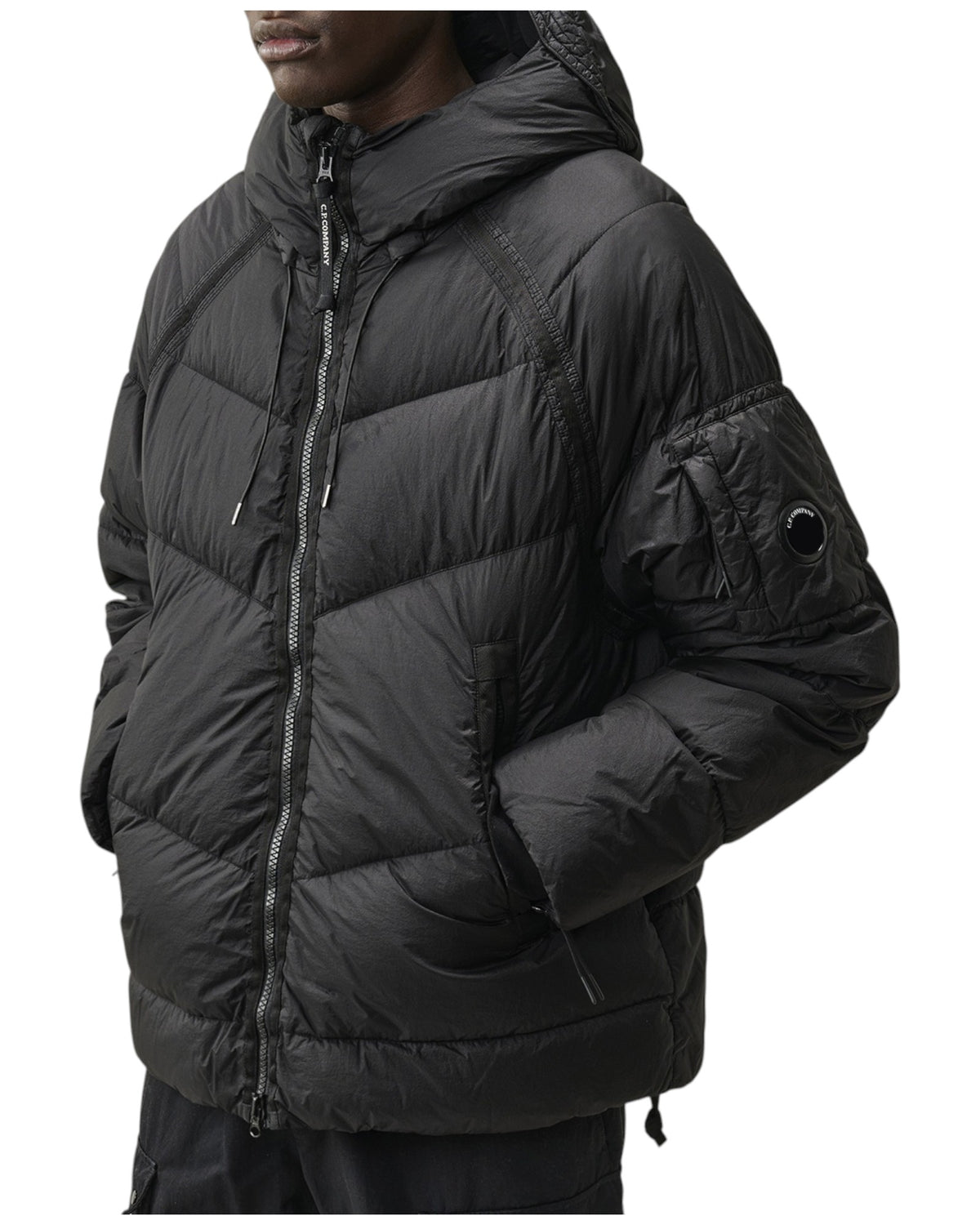
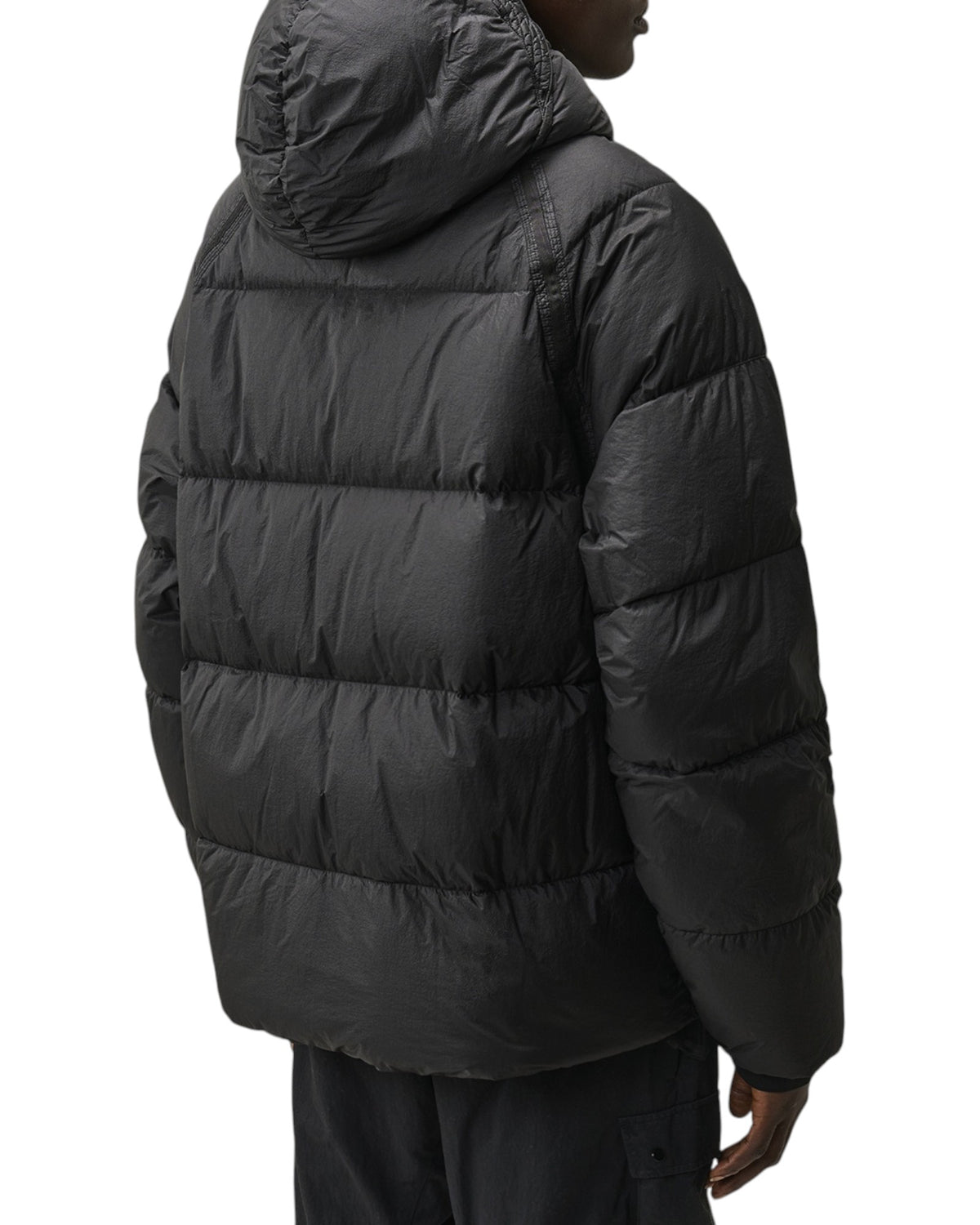
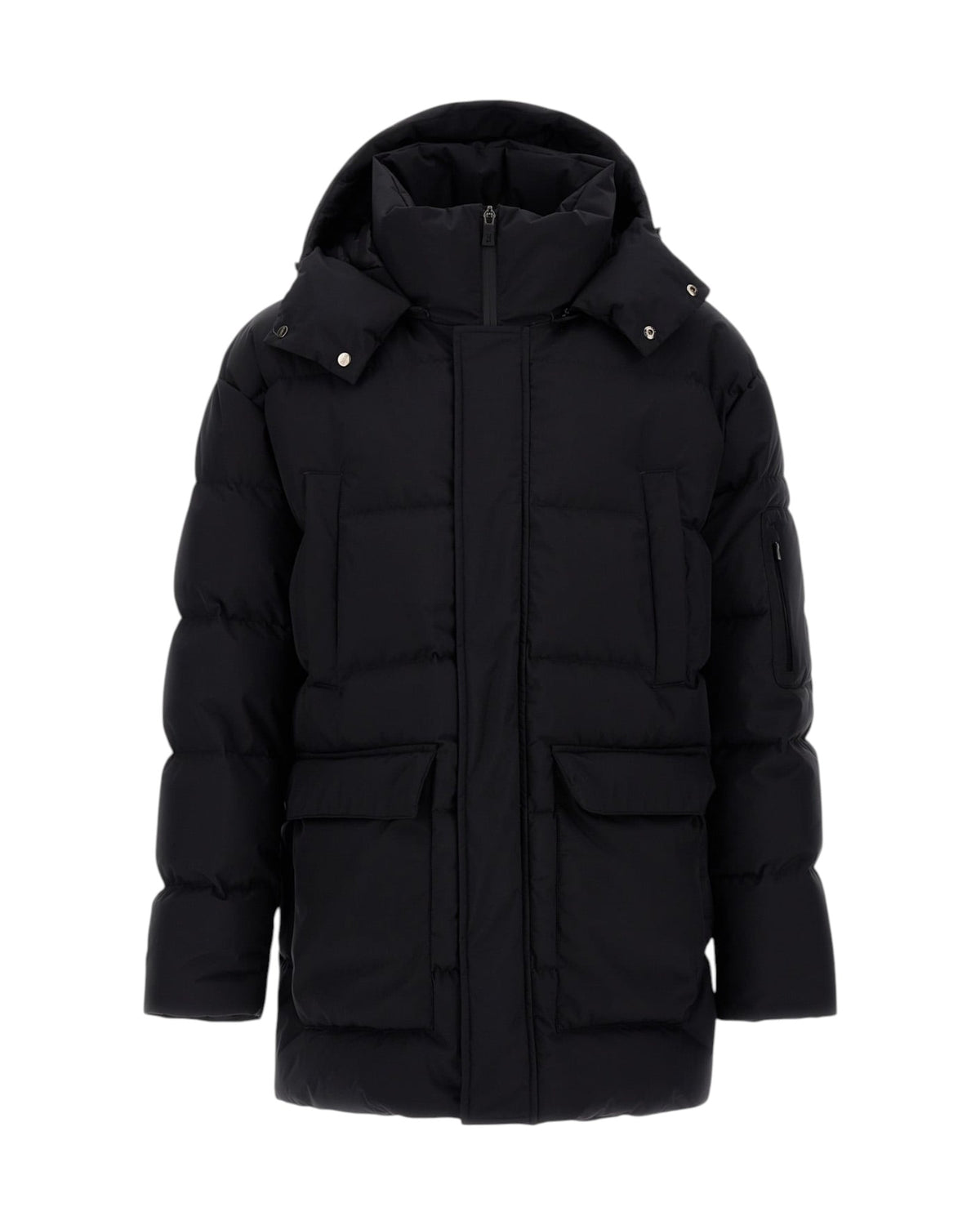
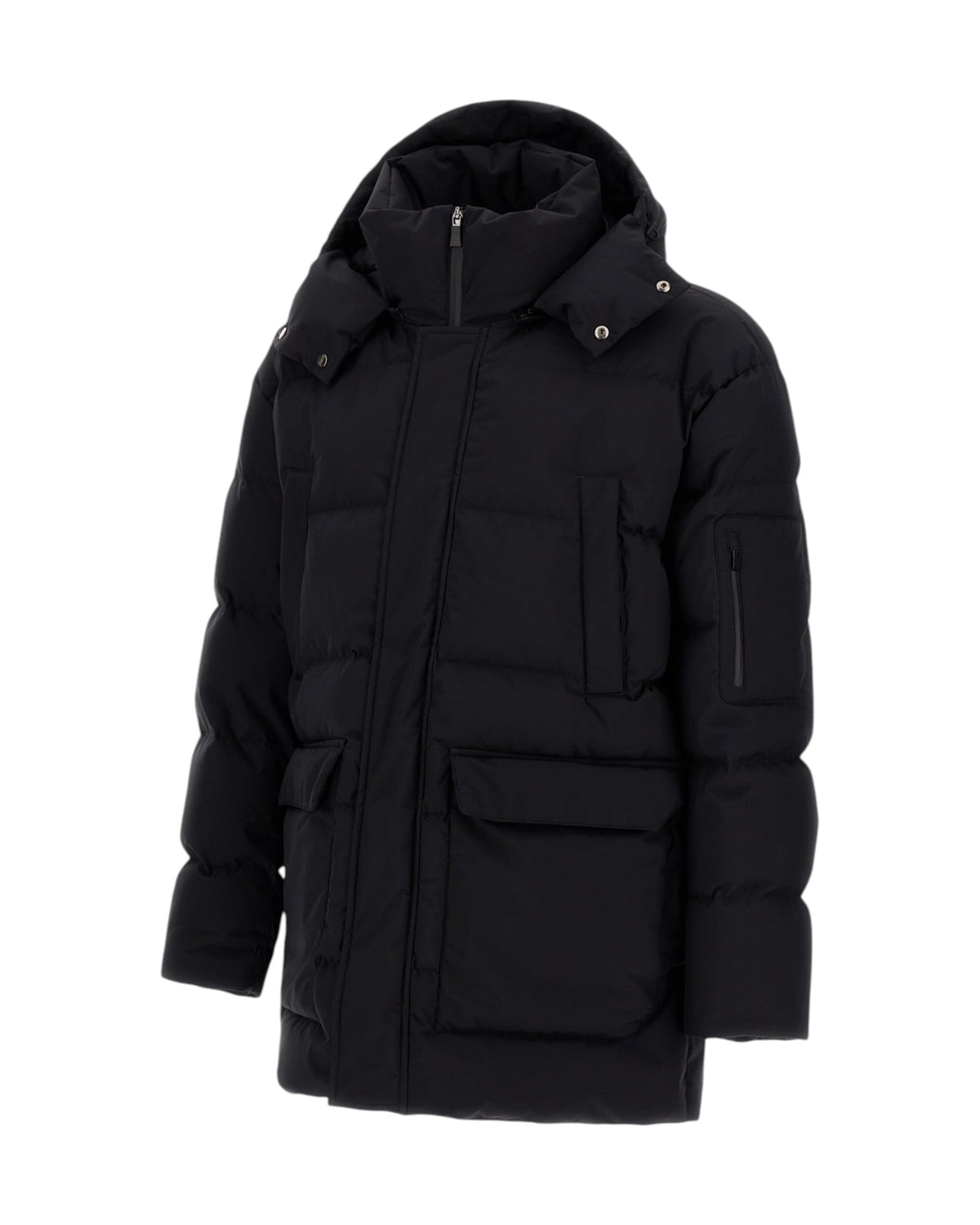


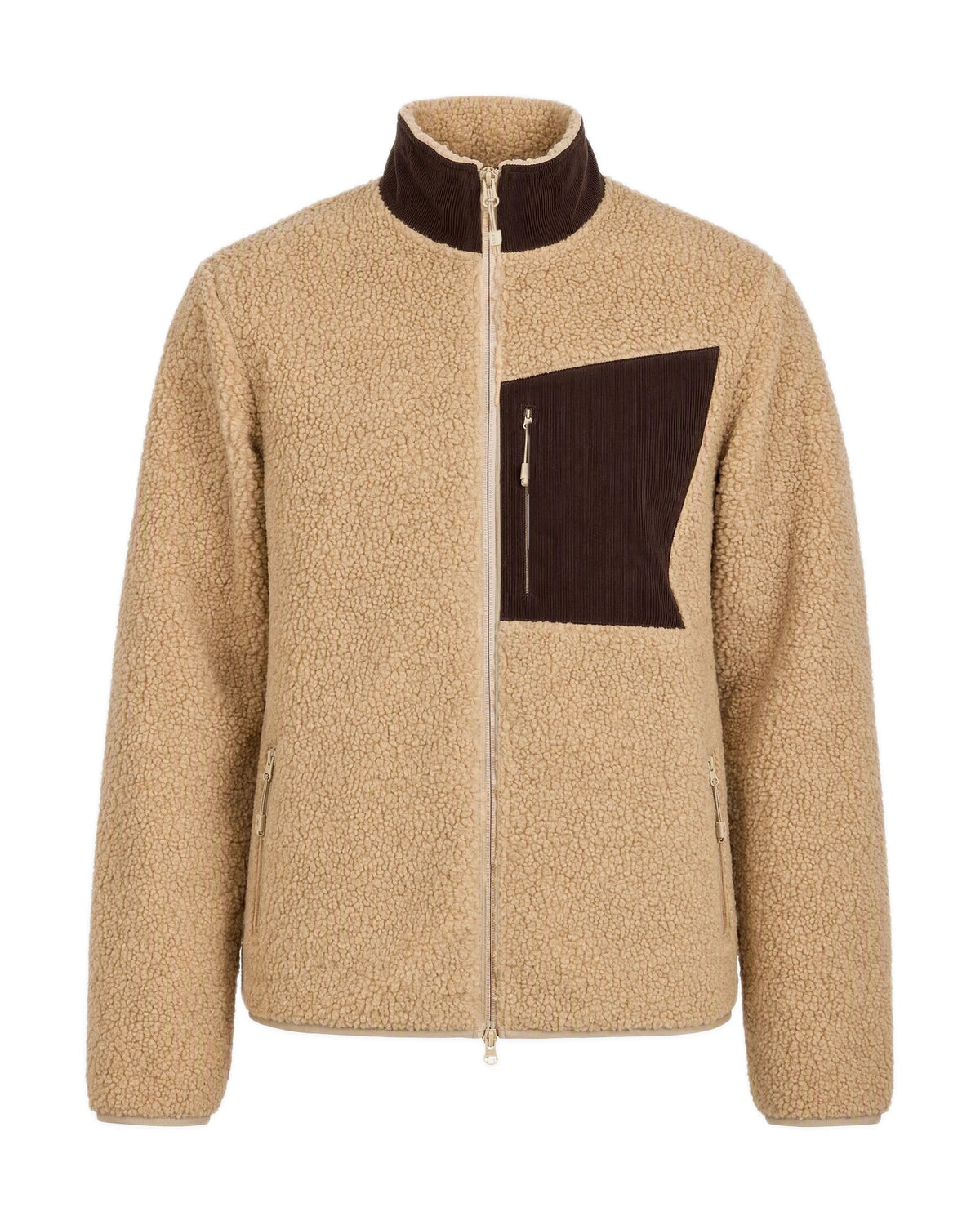
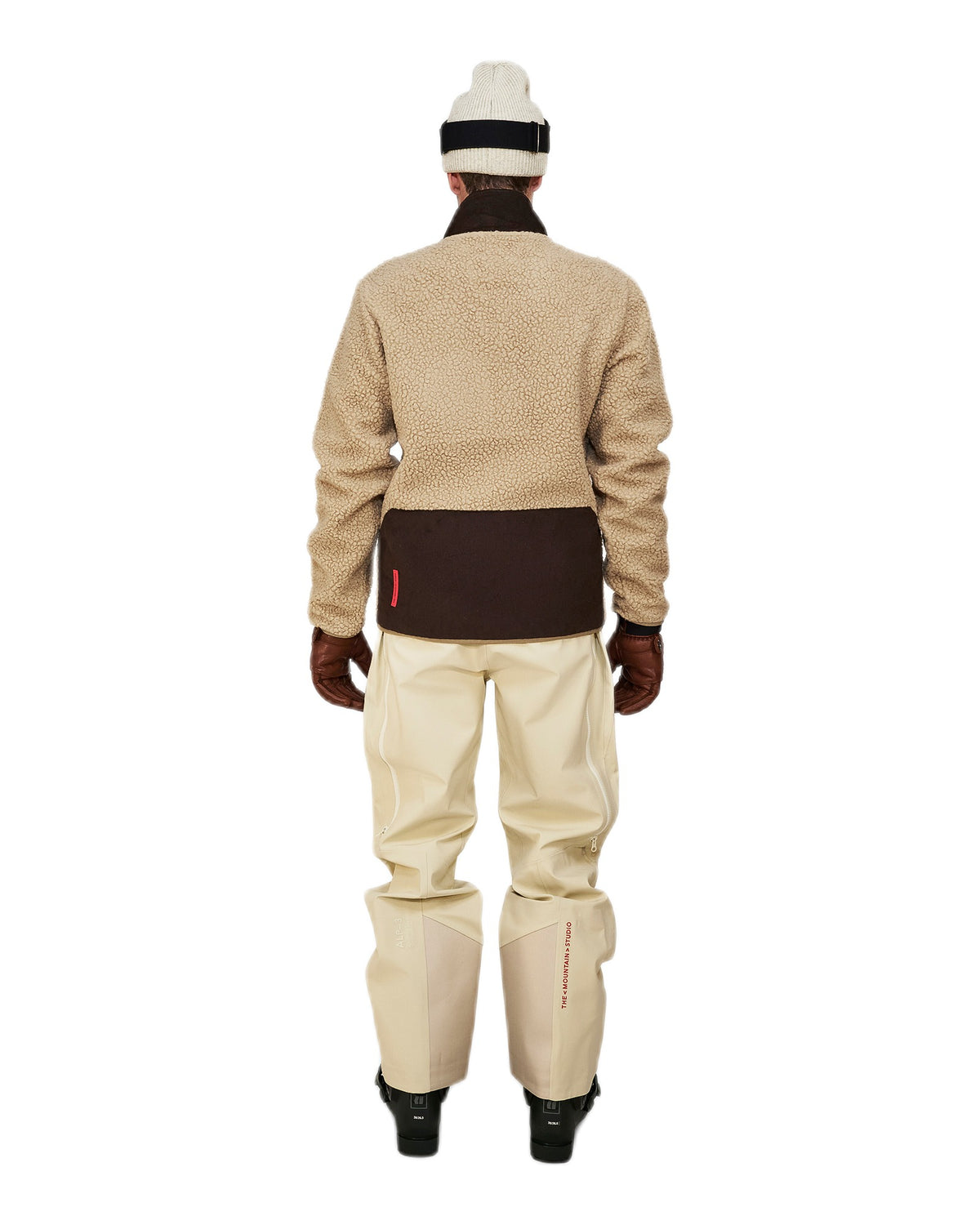
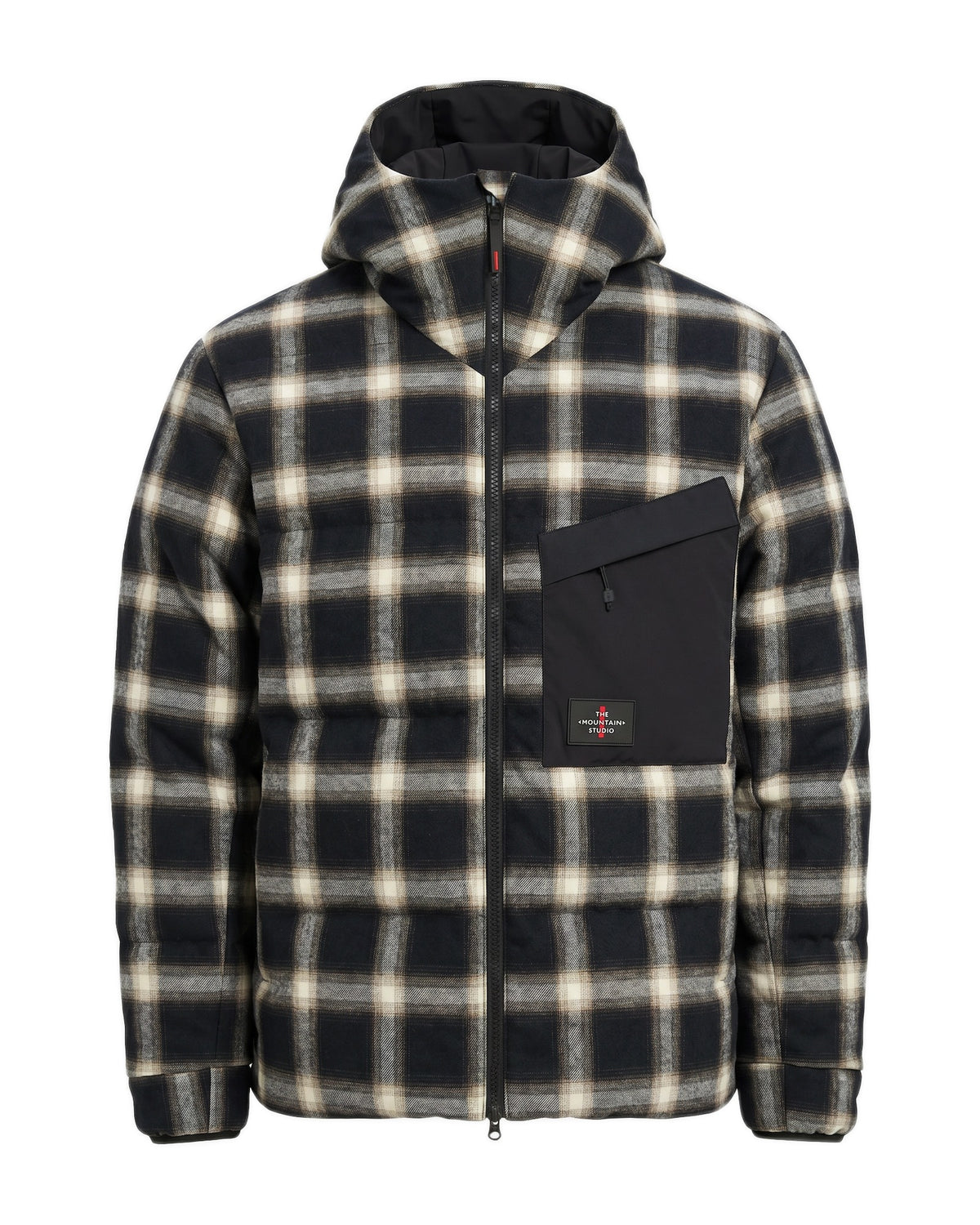
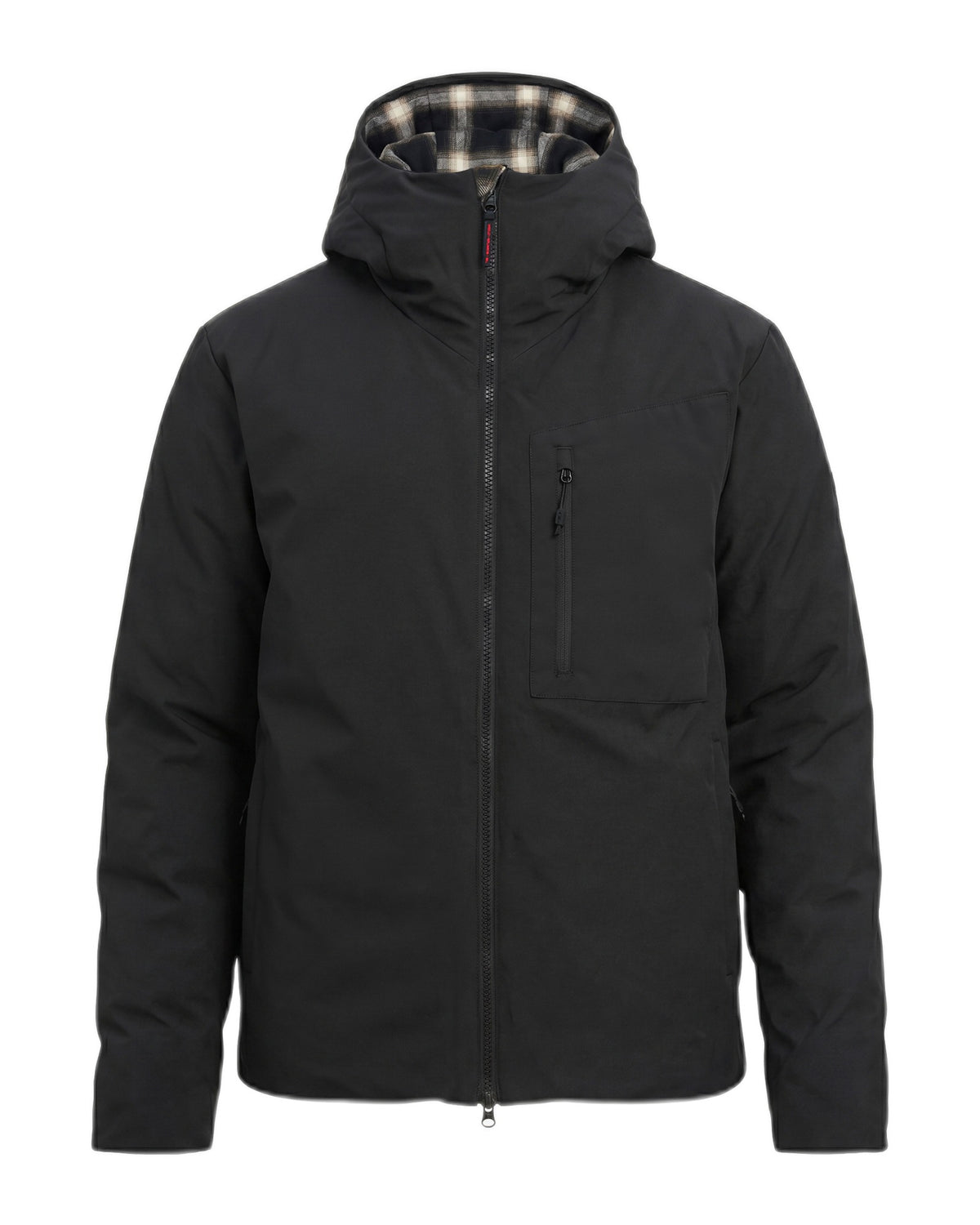




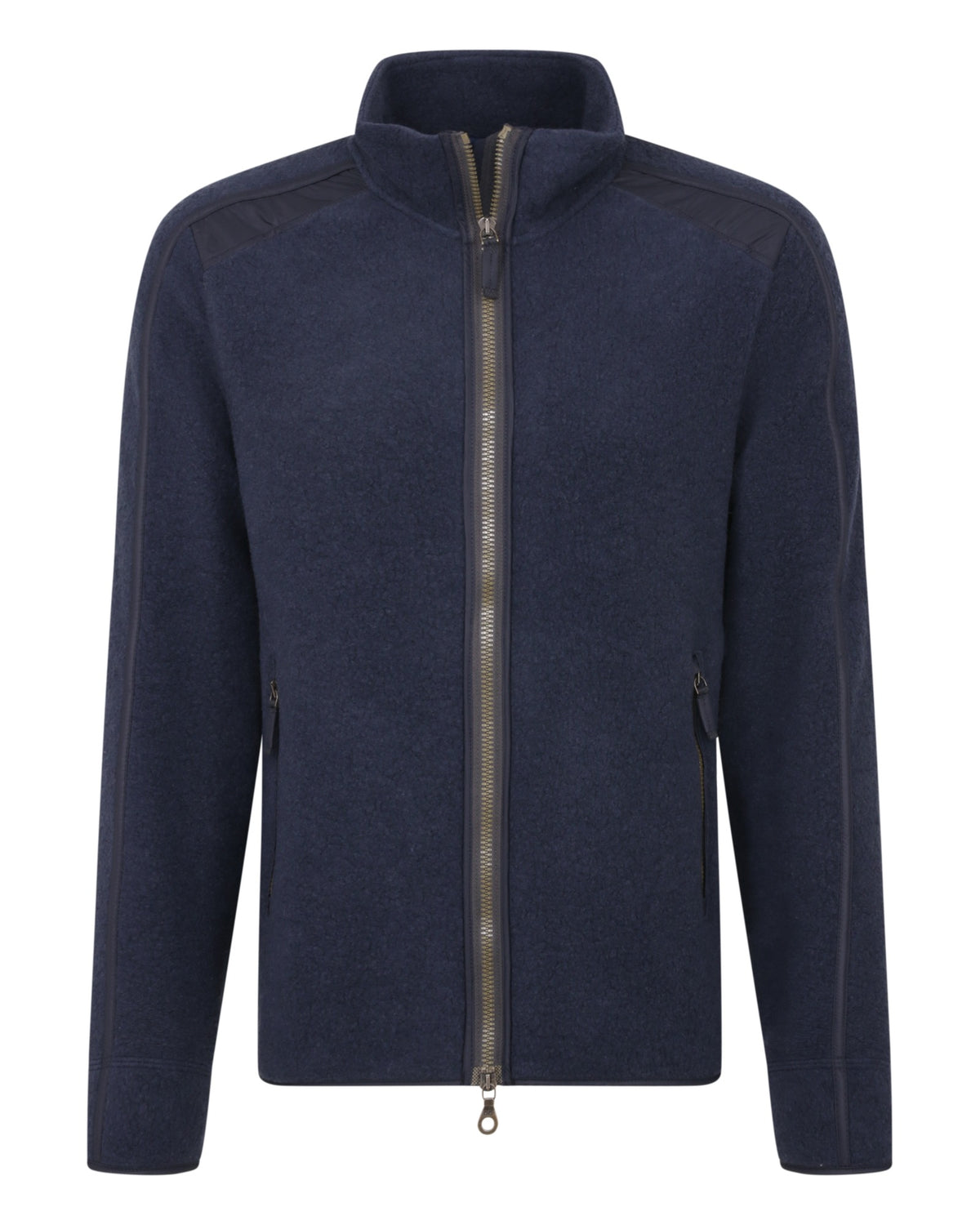
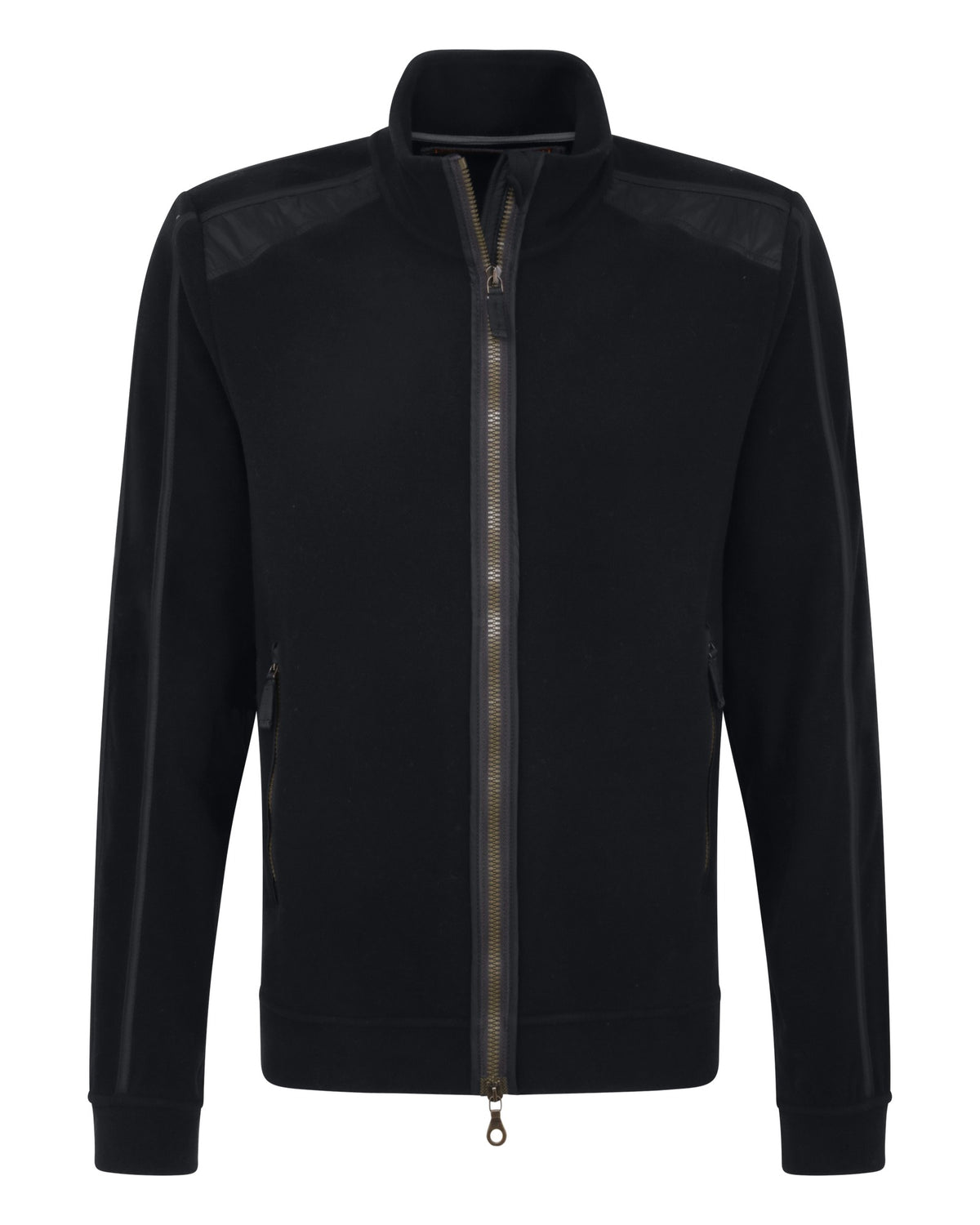
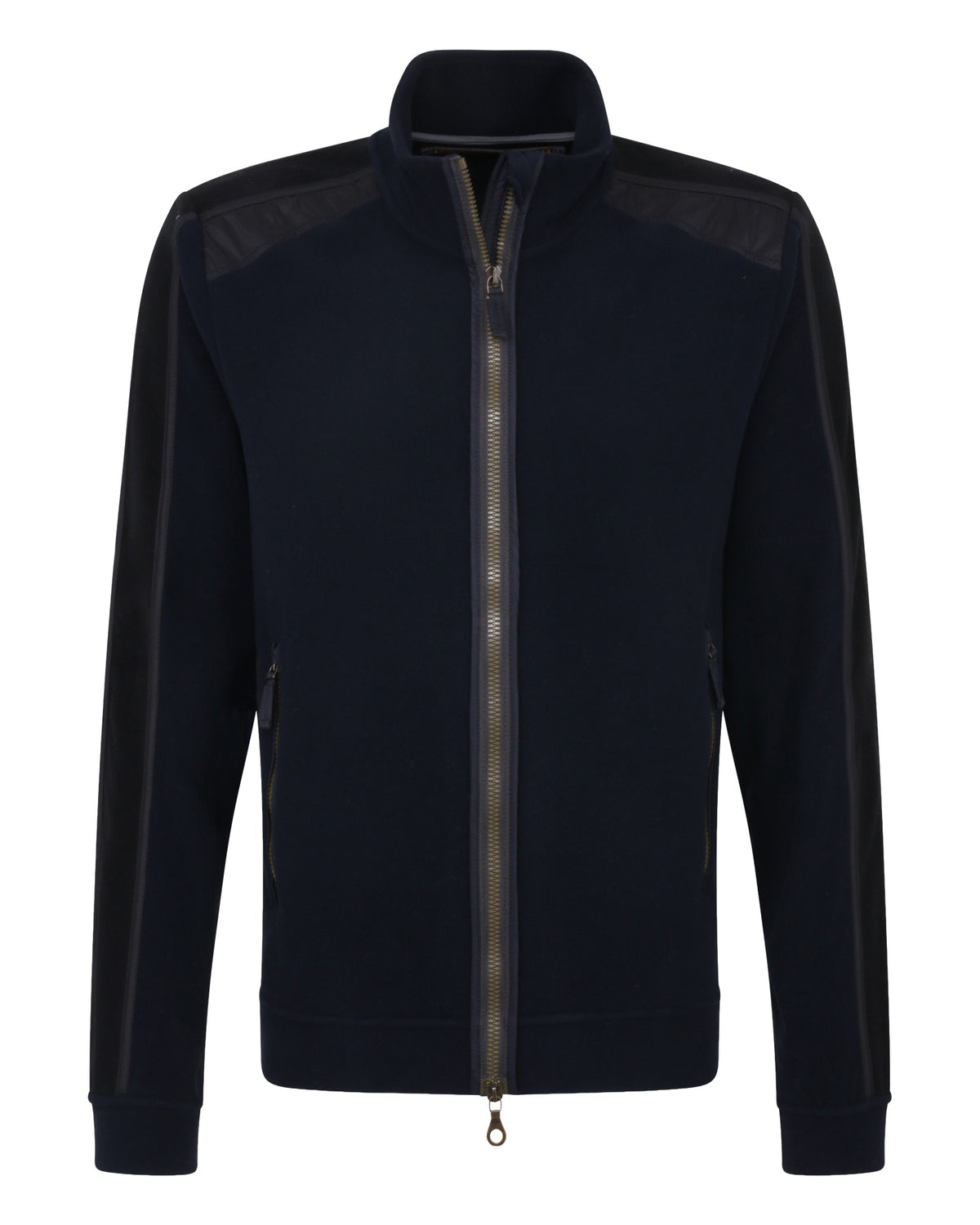
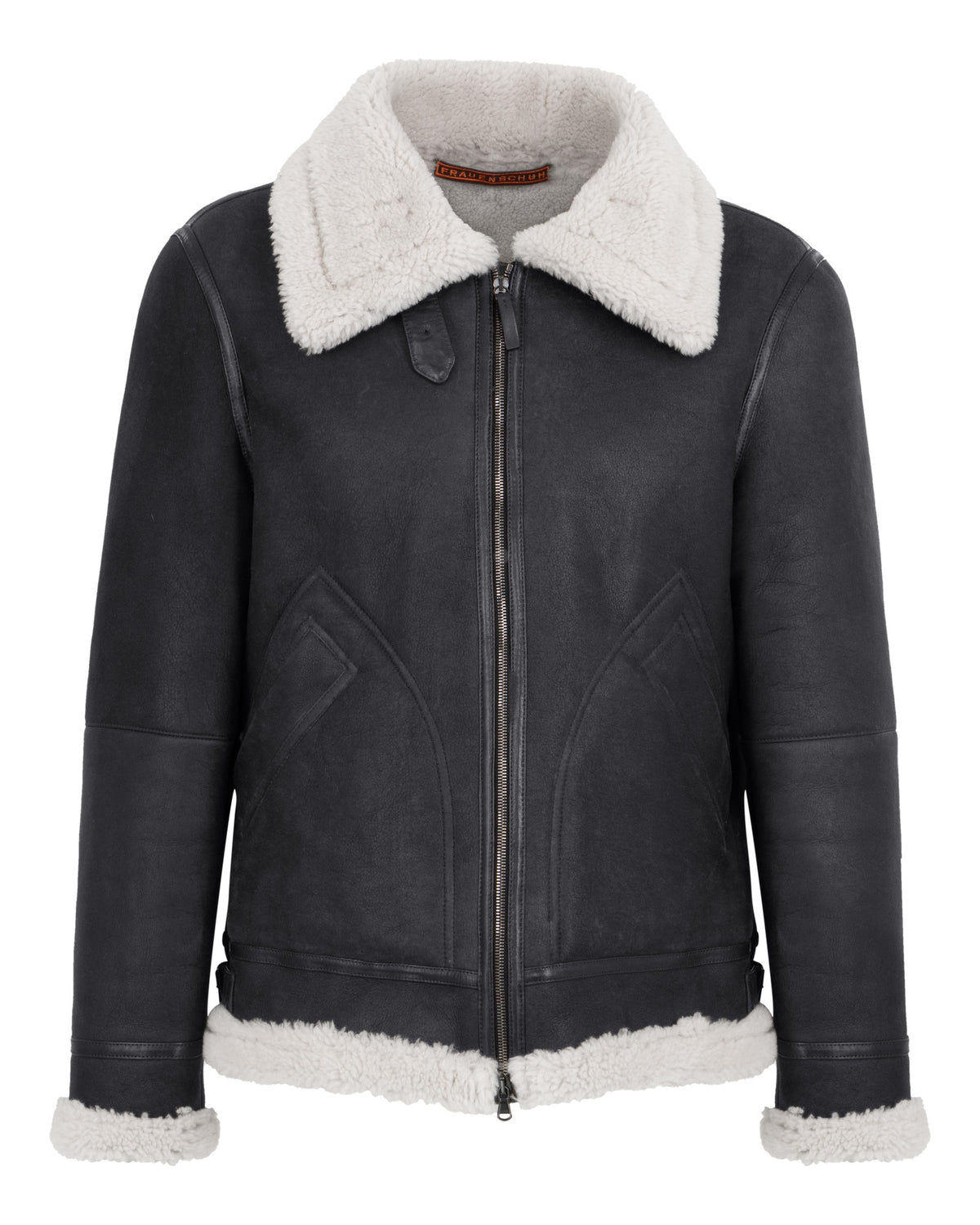


Choosing Men's Jackets for Everyday Wear and Weather
Choosing the right men's jacket starts with a simple question: Where will you wear it most often? A short walk through the city, a day with many outdoor activities, or a change between the office, car, and leisure activities all have different requirements. A jacket primarily designed for a clean silhouette needs to be evaluated differently than a weather-oriented outer layer. First, decide on the intended use and desired warmth. Then, length, material, and details can be sensibly categorized.
This category combines various styles for men's everyday wear. This can include short jackets, longer styles, and transitional models. A brand name or a sporty look does not automatically make a jacket a ski jacket. For technical requirements on the slopes, the dedicated selection of Men's Ski Jackets is a more targeted approach. Here, we're talking about jackets that you choose based on your daily routes, your style, and your existing clothing layers.
Short Jacket, Blouson, or Longer Style?
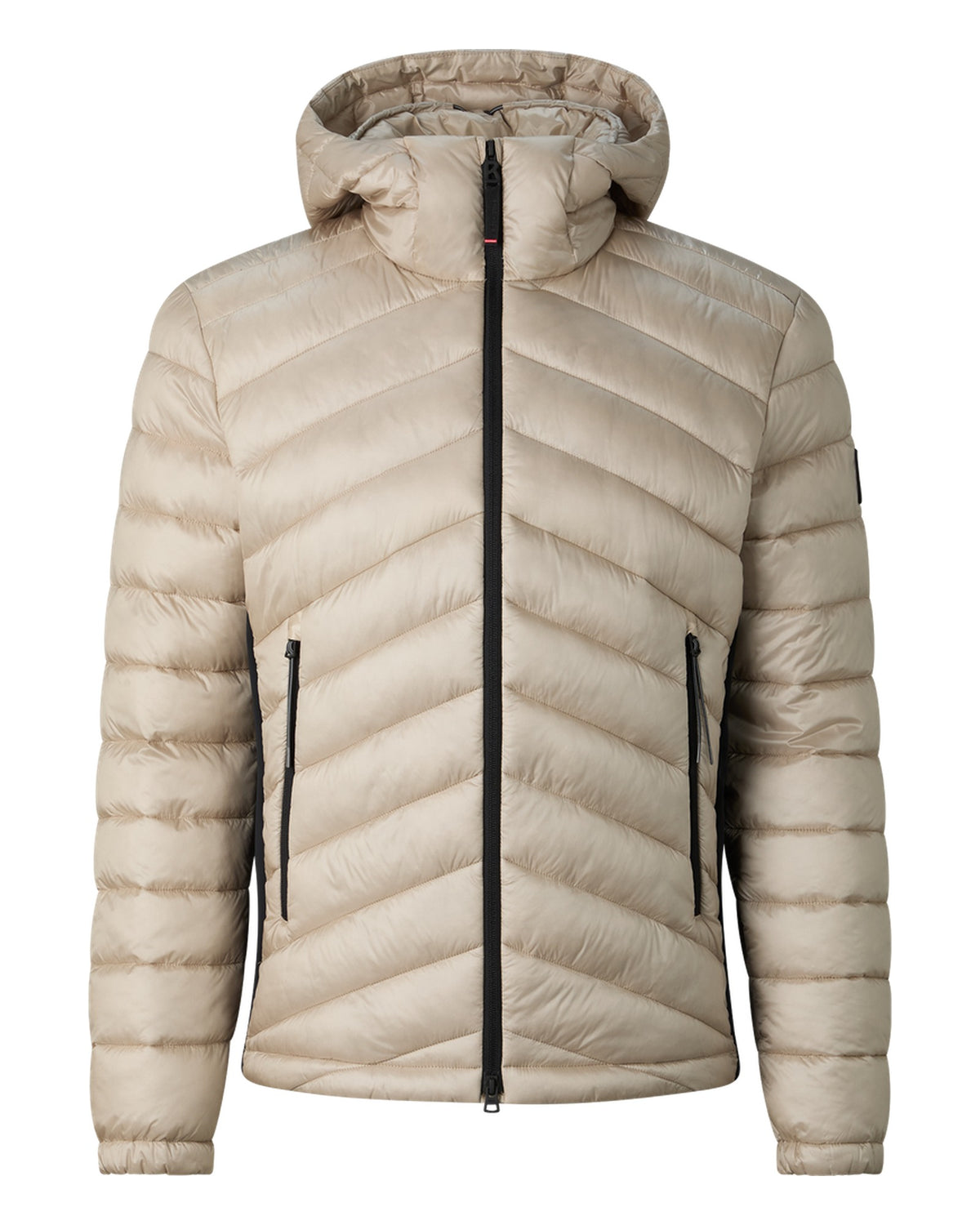
Short Jackets for a Compact Silhouette
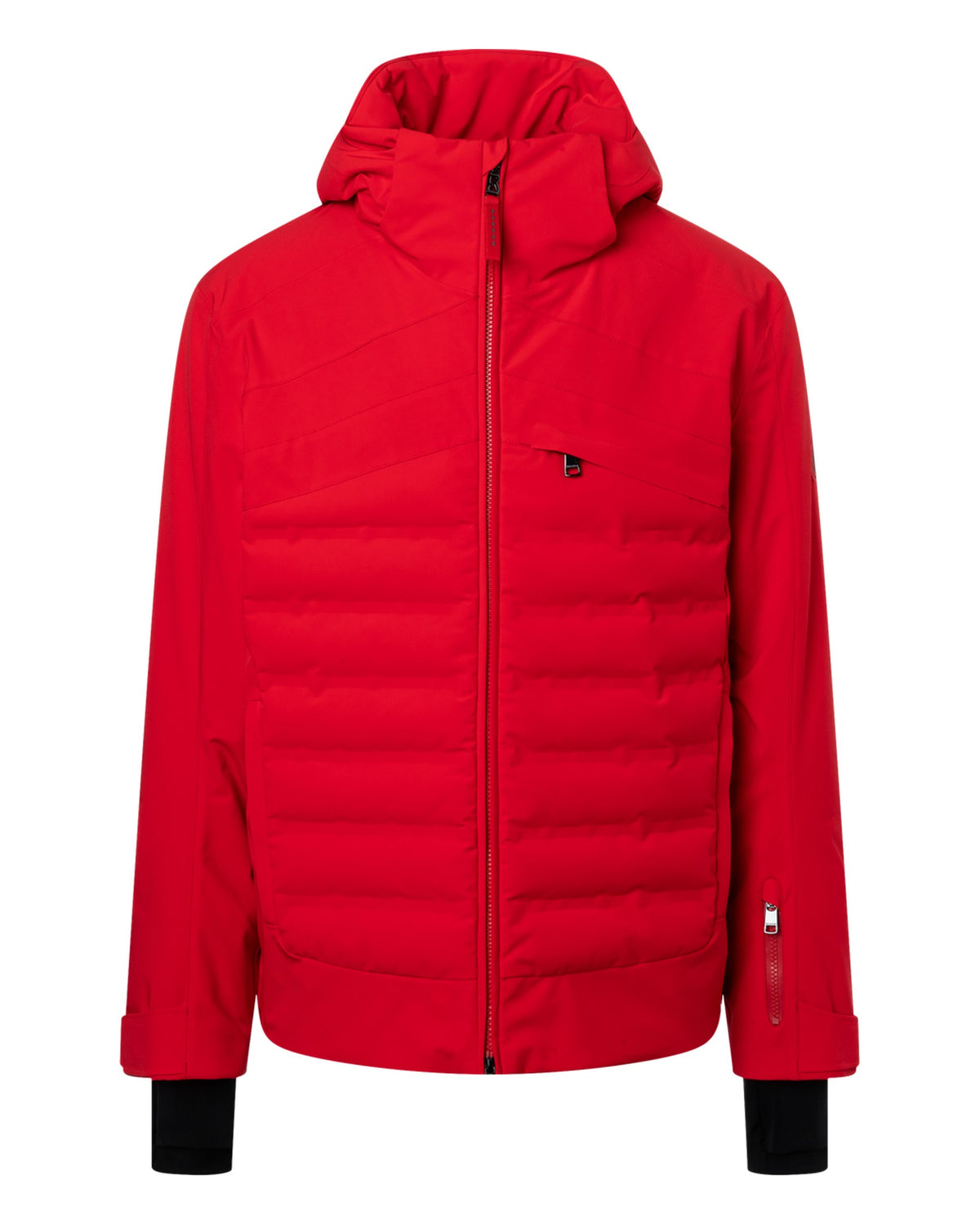
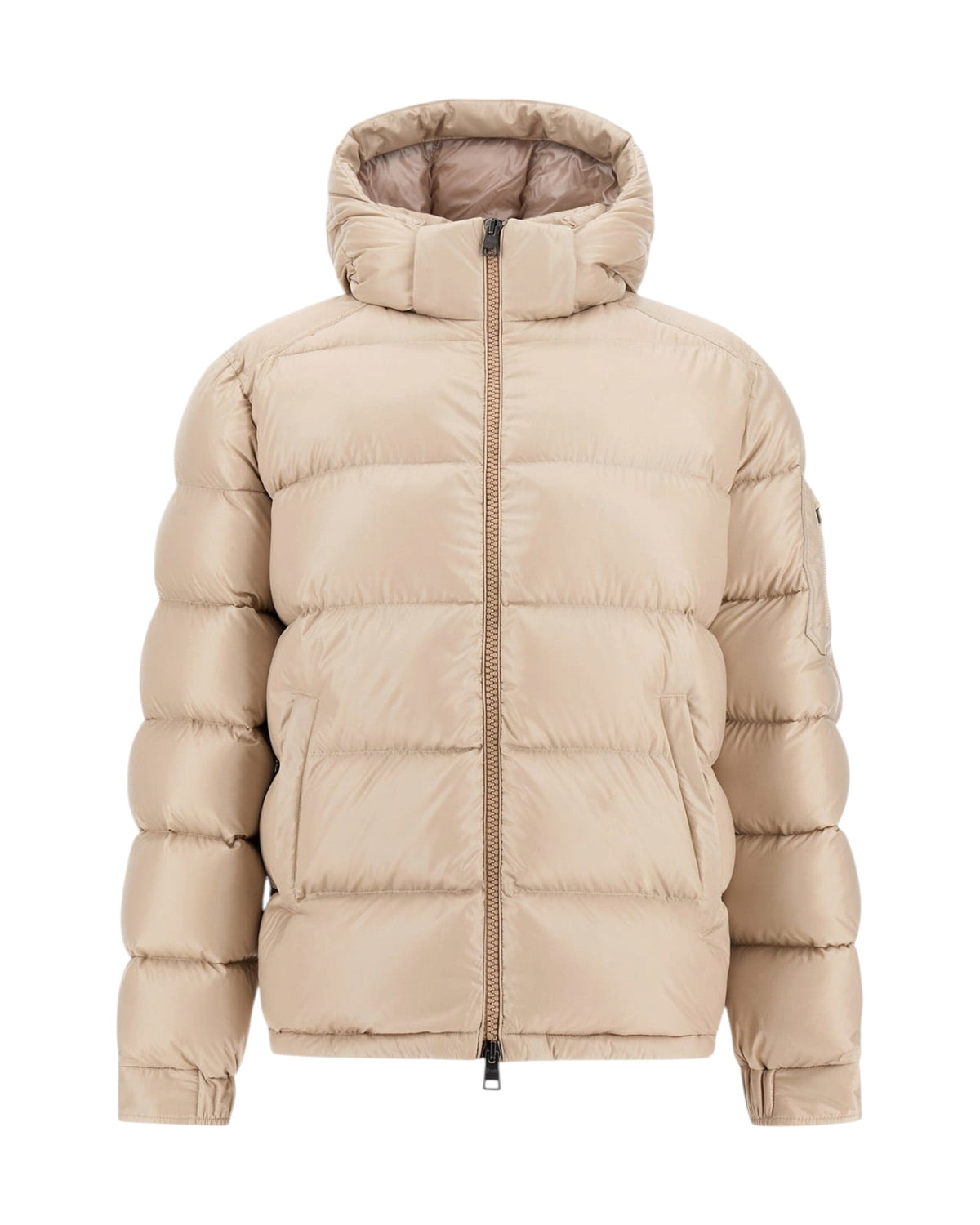
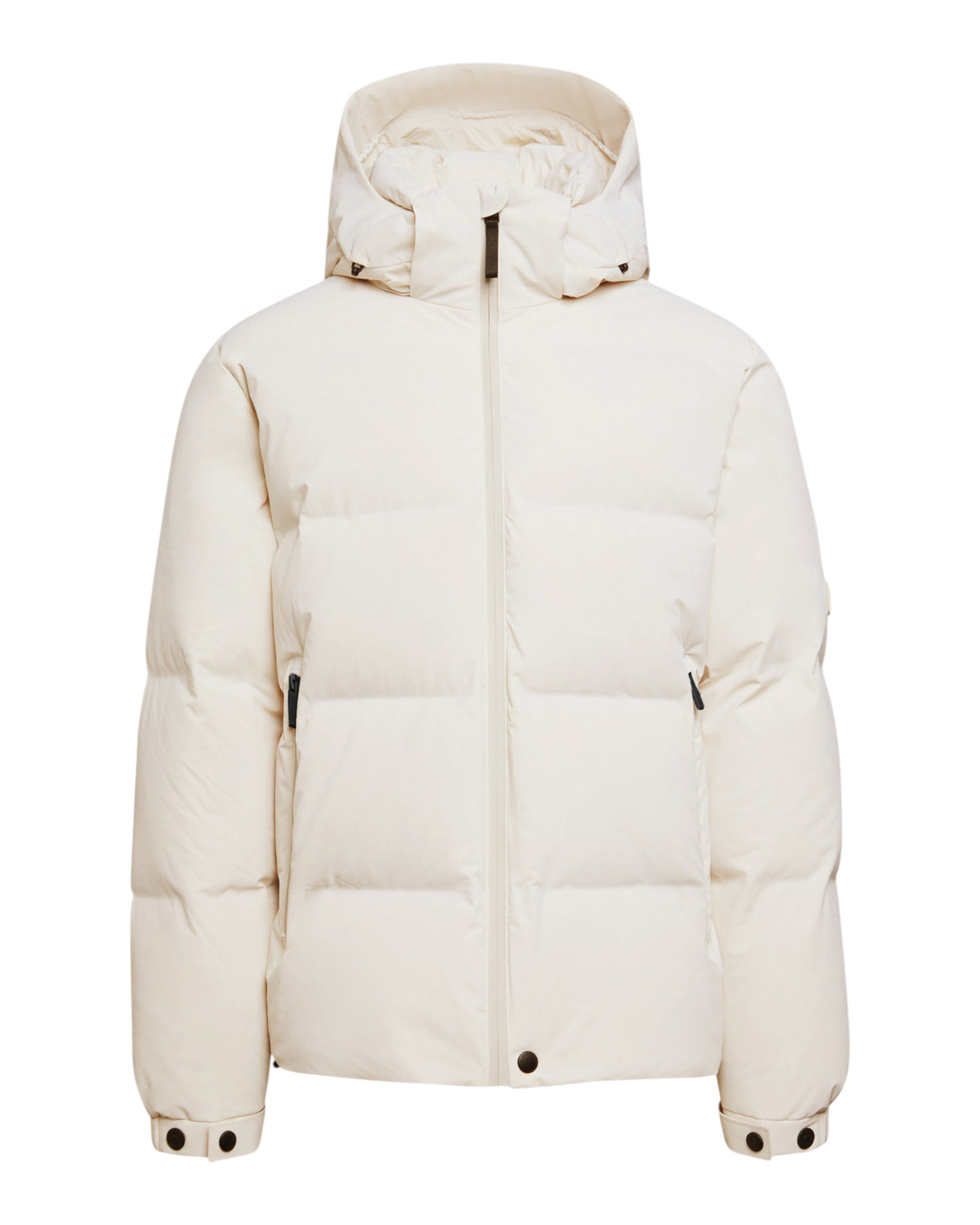
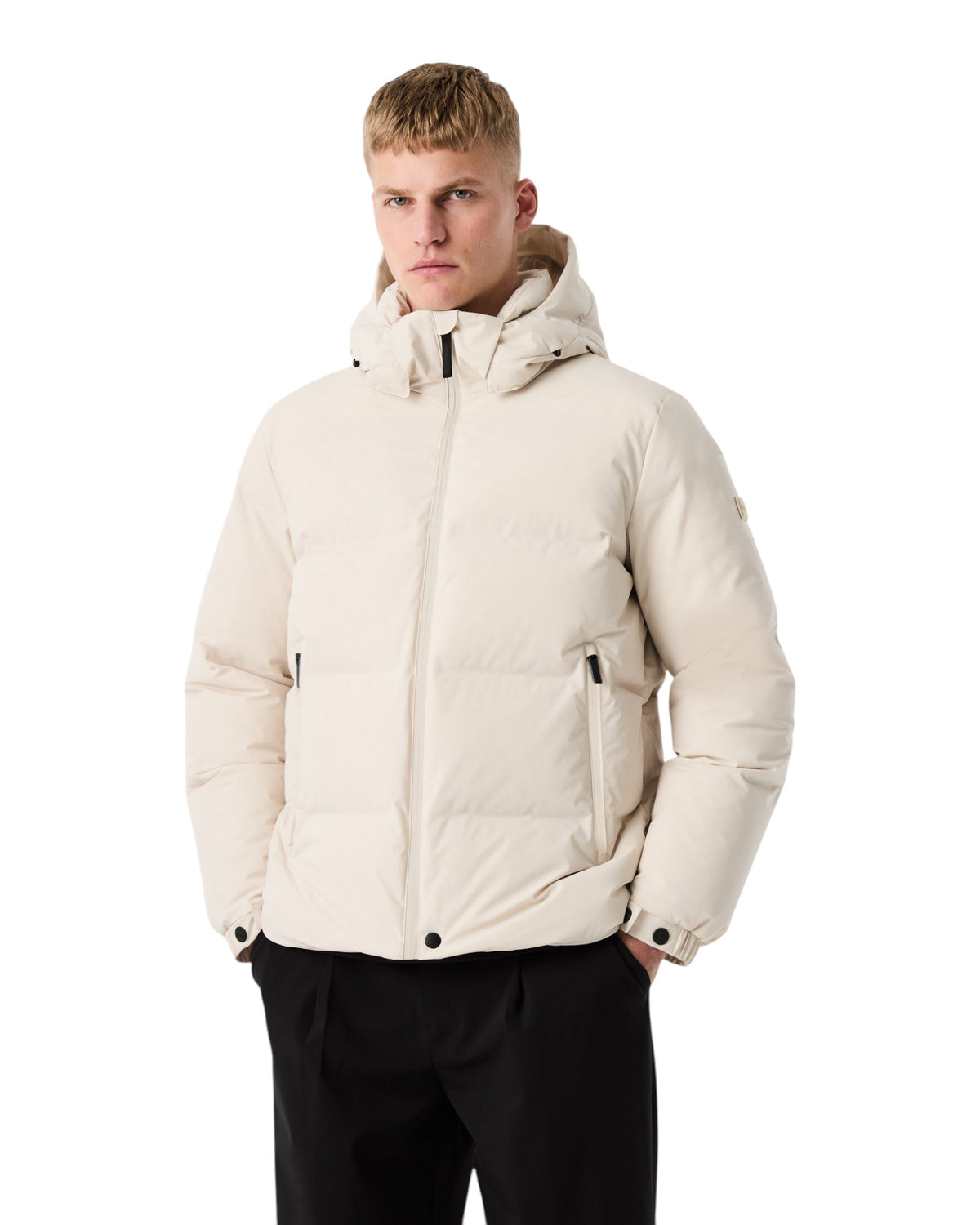
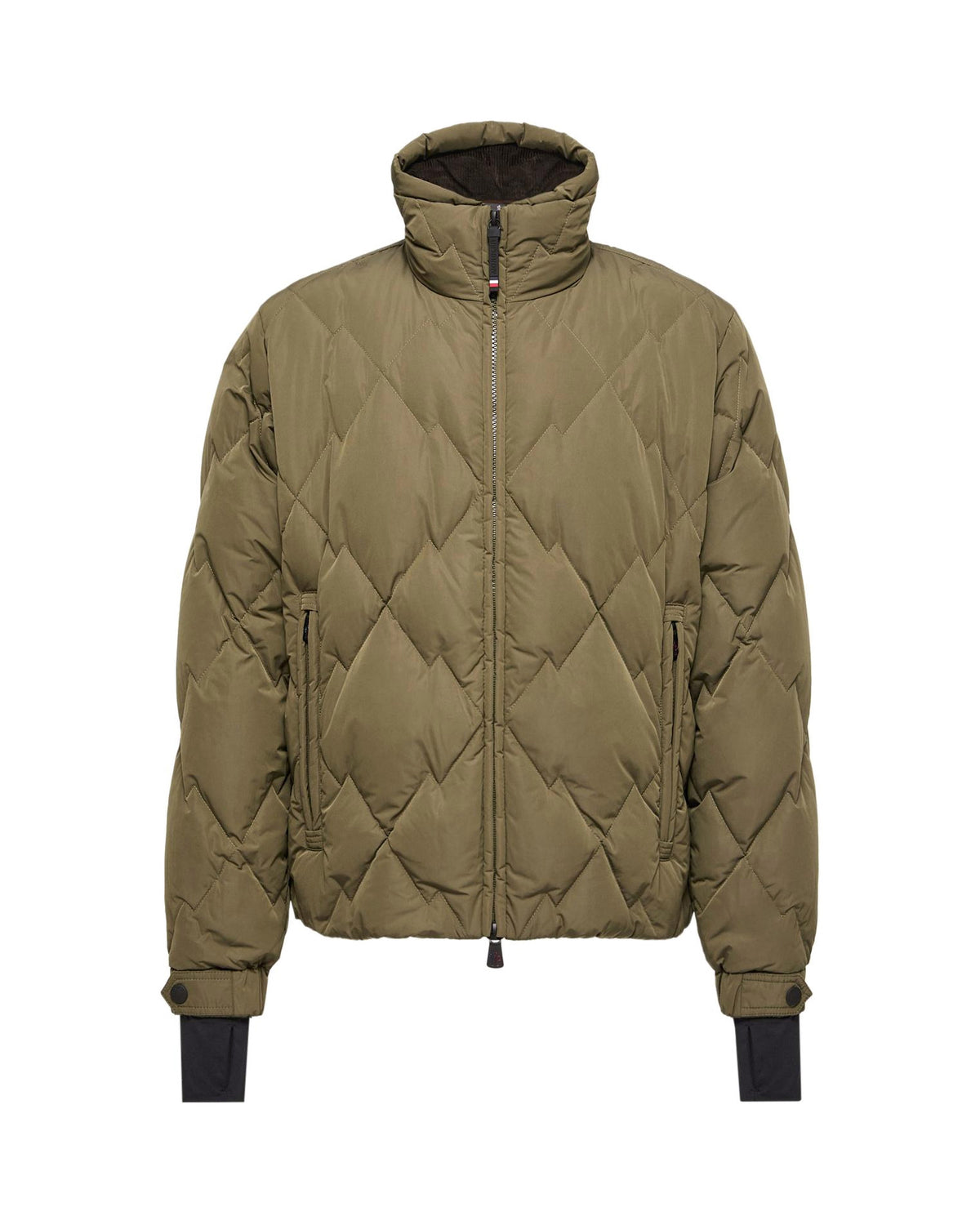
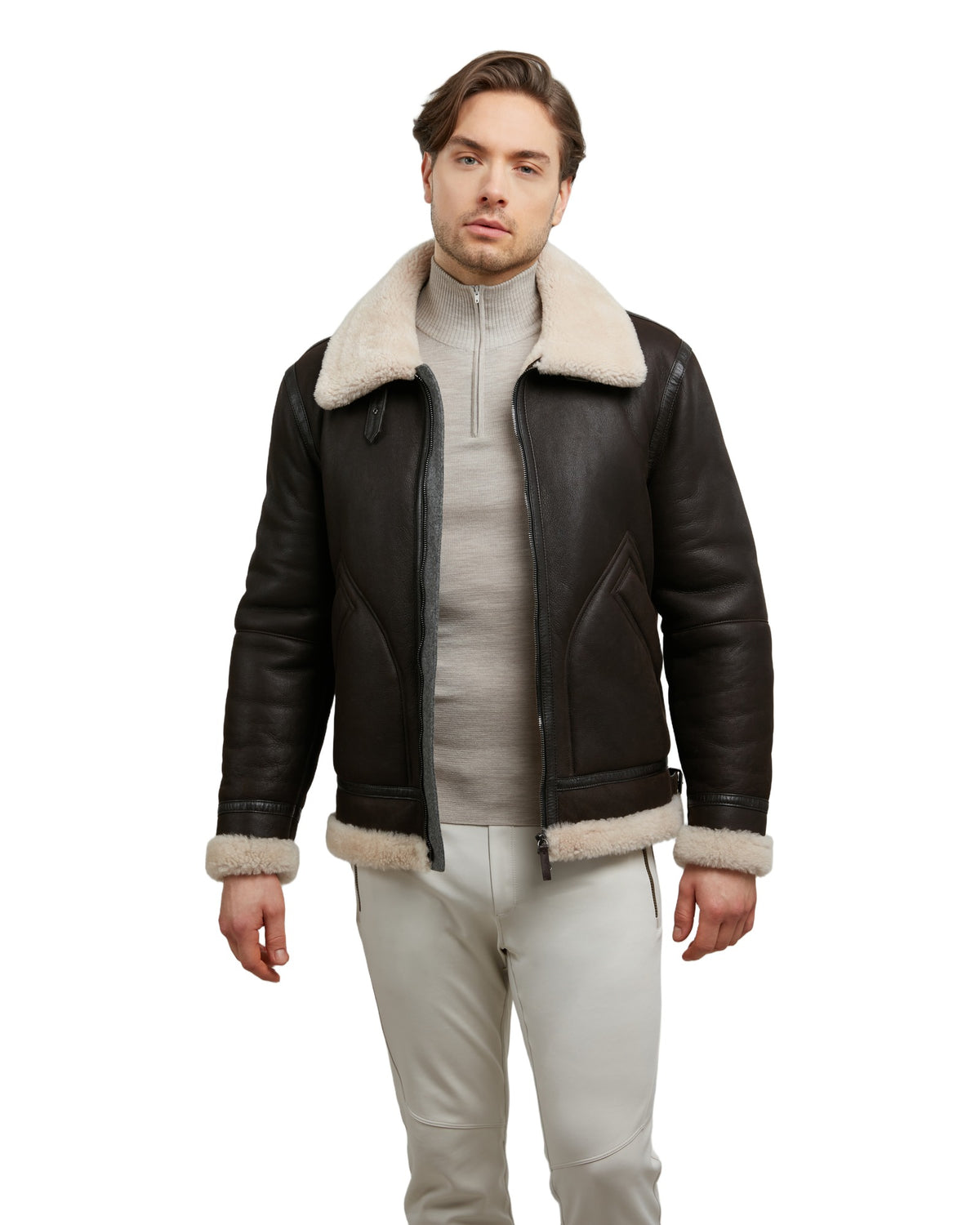
A shorter jacket ends approximately at the hip or above, depending on the cut and body proportions. This allows more of the trousers to be visible and creates a more compact silhouette. The relationship will differ when worn with wider-cut trousers compared to slim jeans. Therefore, don't just consider the jacket alone. The length of the top worn underneath and the line of the hem influence whether the combination appears intentionally layered or unbalanced.
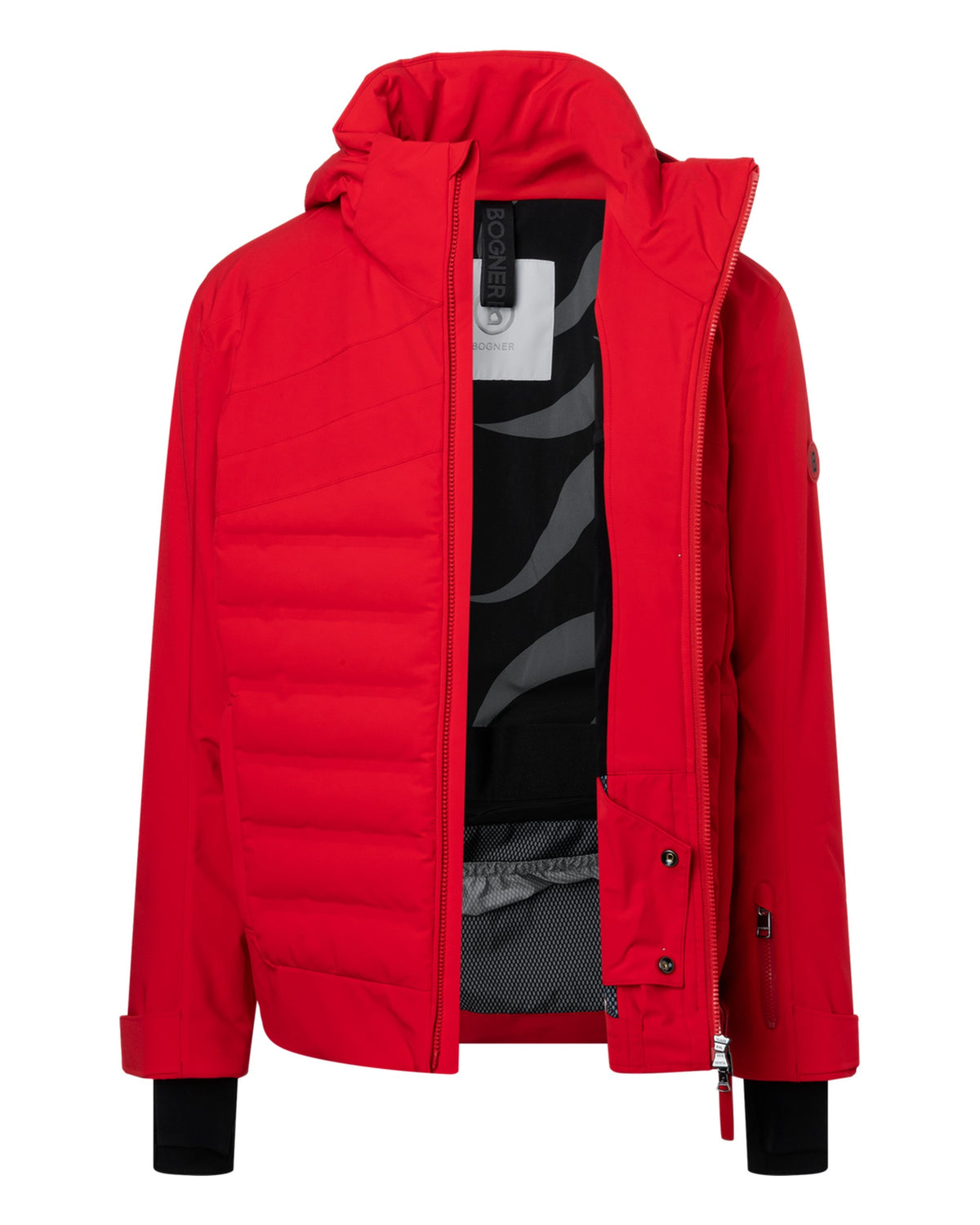
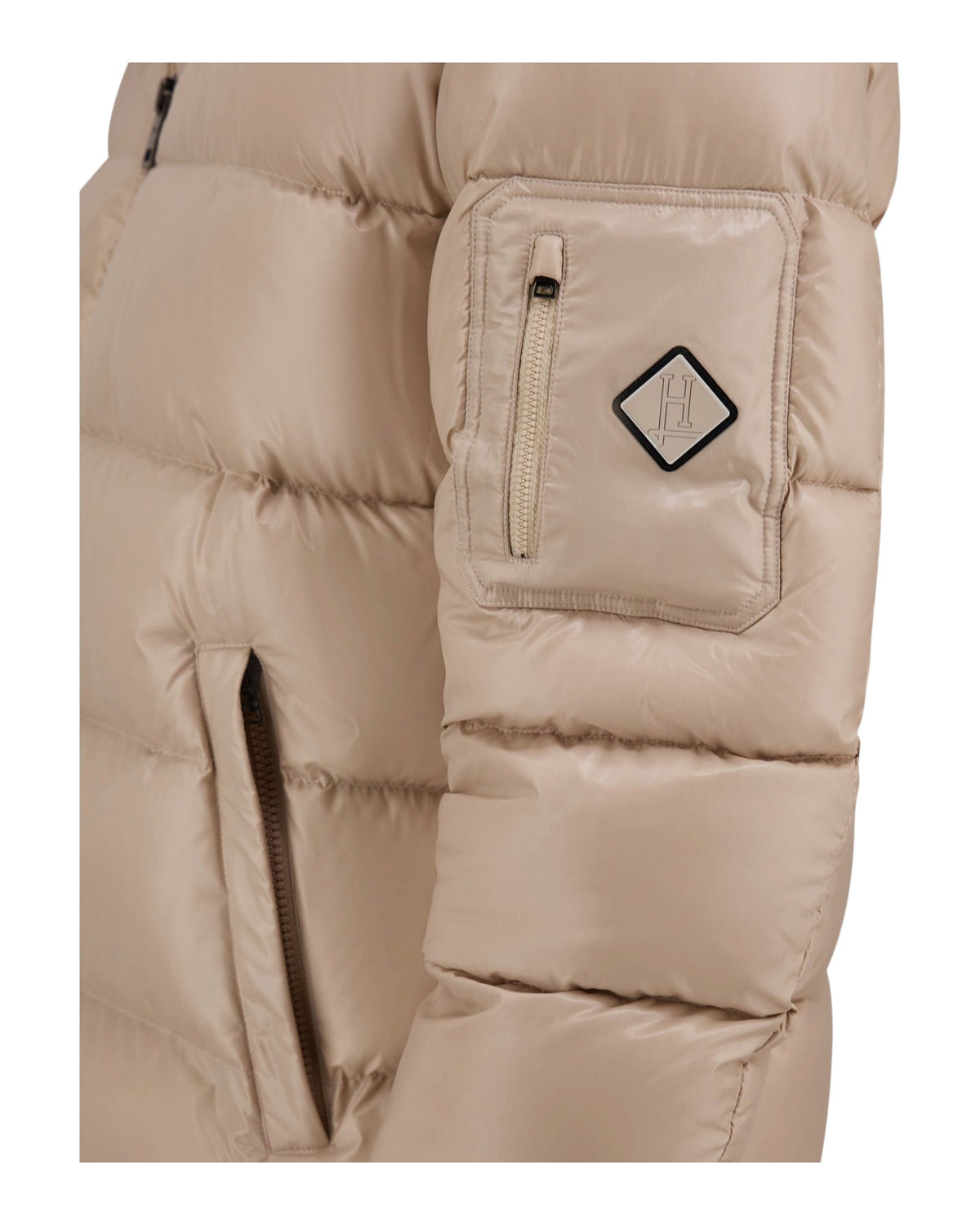
Cuffs at the hem and sleeves can create a blouson character. They change how the jacket sits on the hips and how the fabric drapes over it. An elastic cuff should not permanently cut uncomfortably into the skin. If the jacket is very wide overall and tightly gathered at the bottom, it creates additional volume. This can be a desired look, but it is different from simply a larger size.
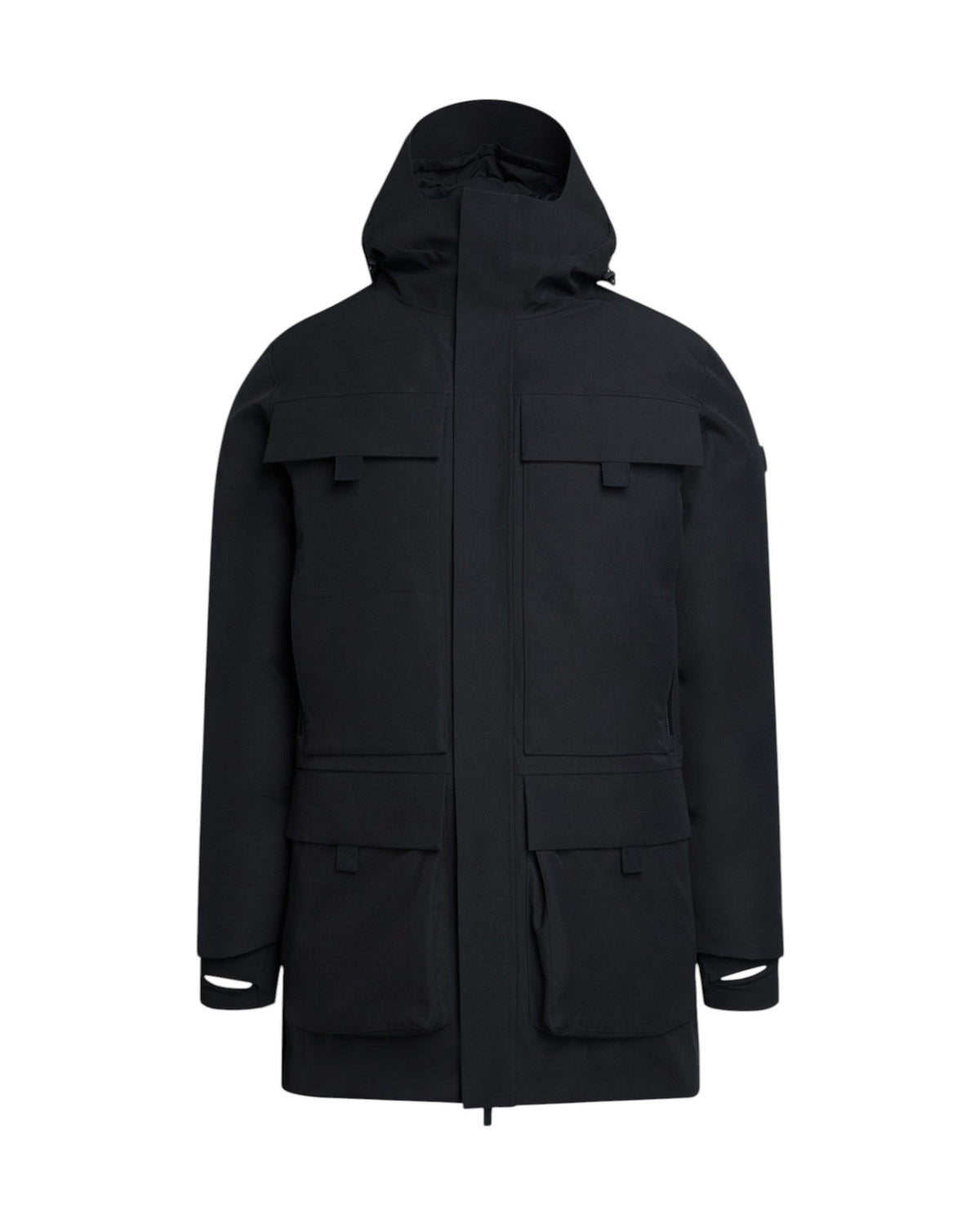
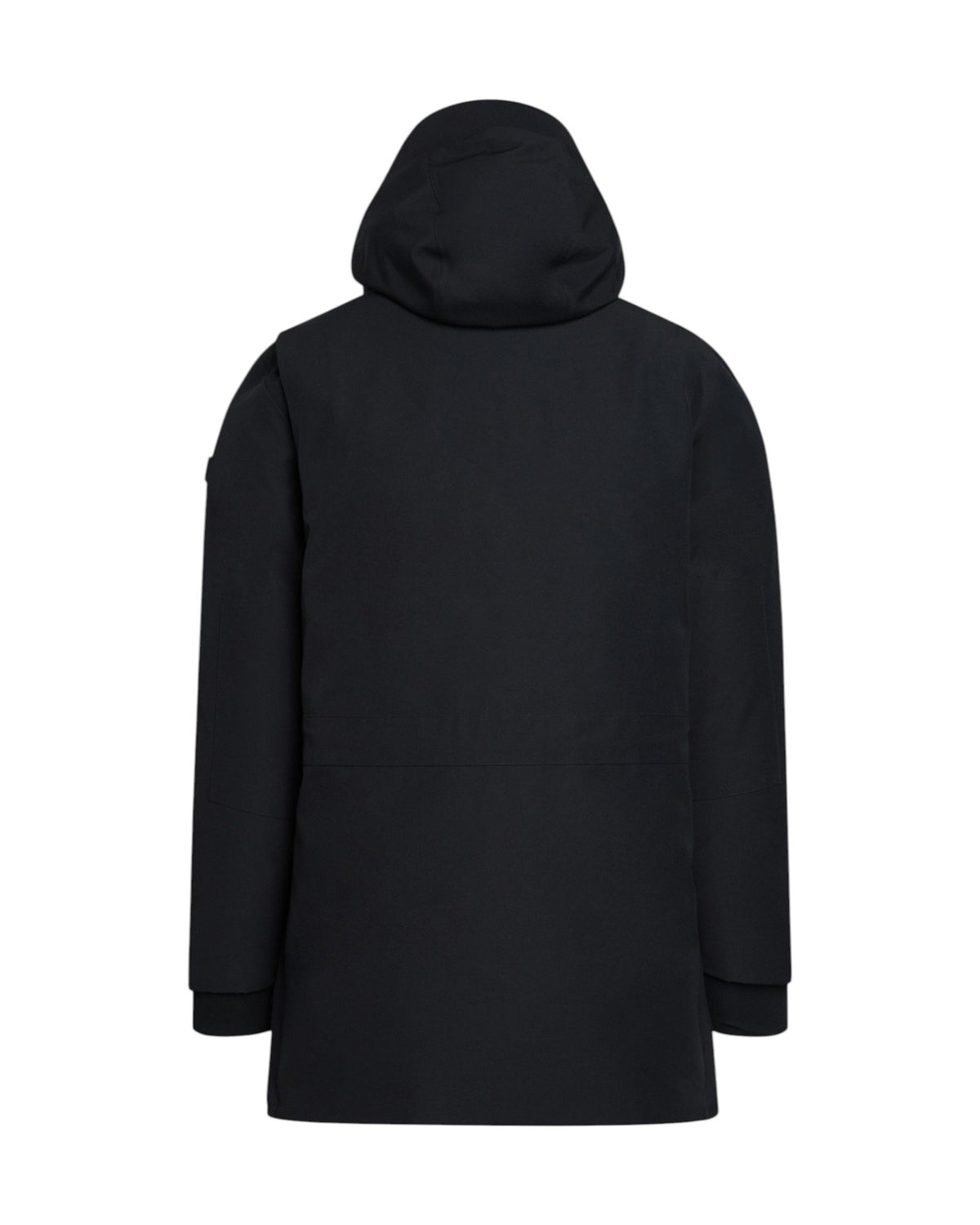
Longer Jackets and Parka Styles
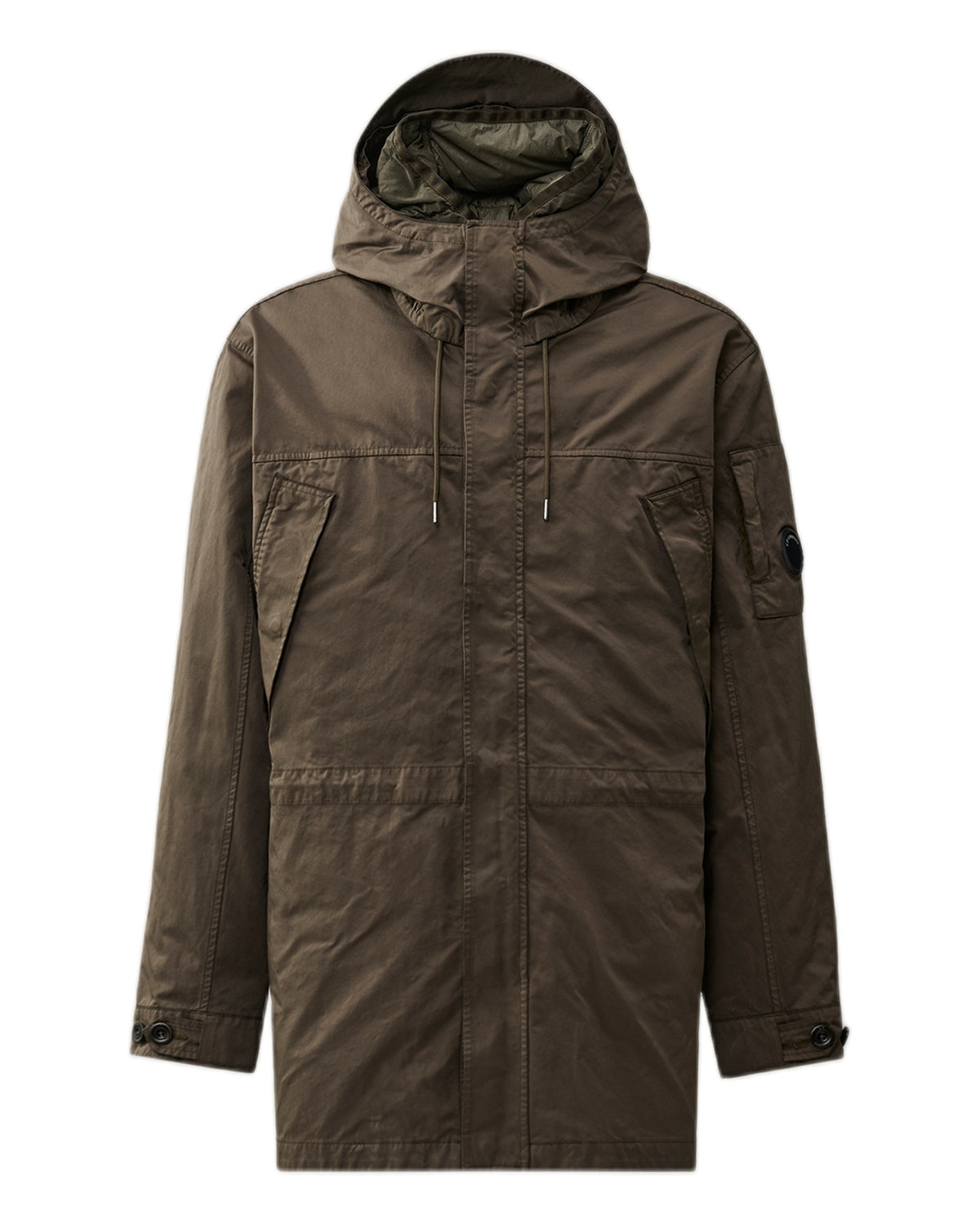
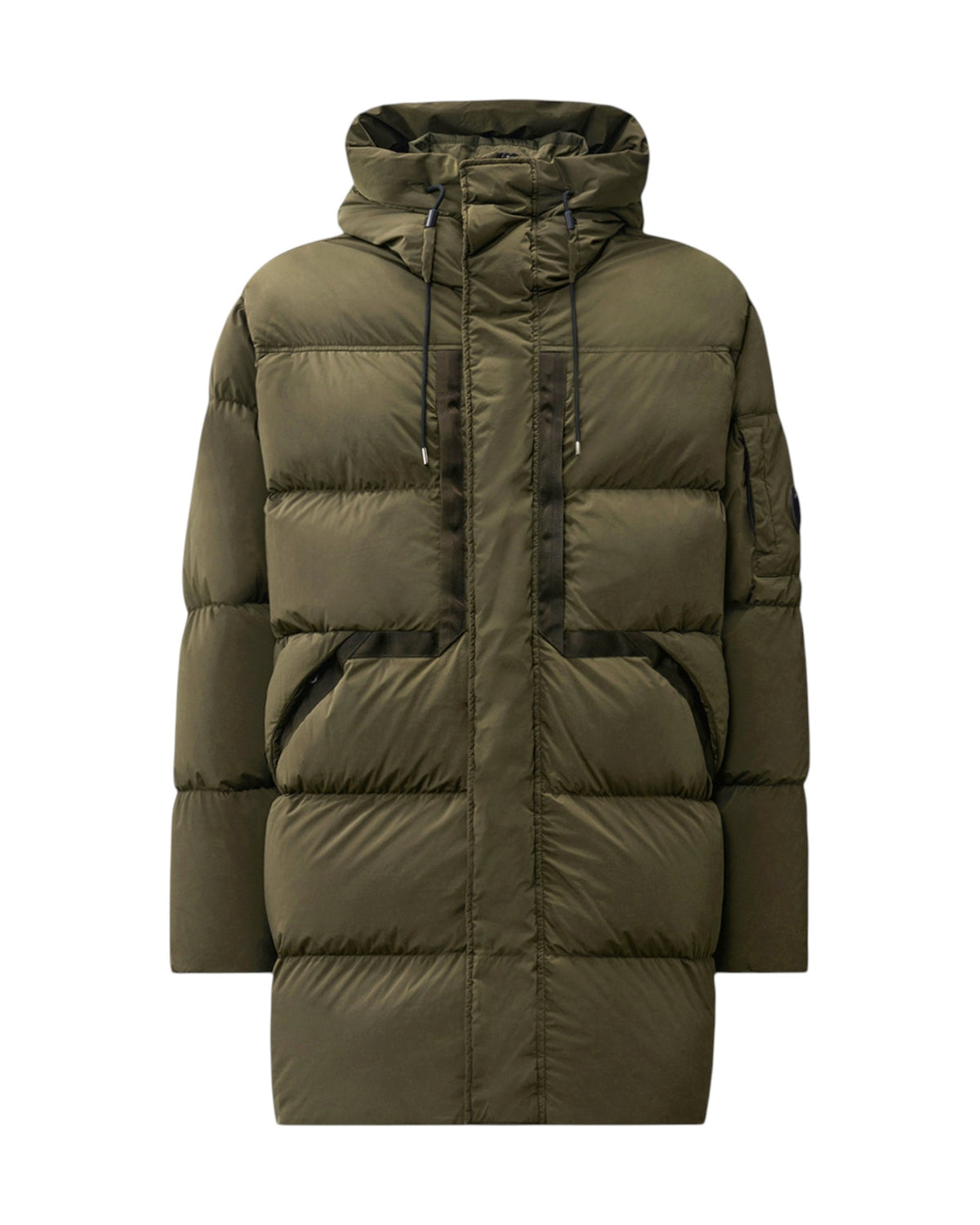
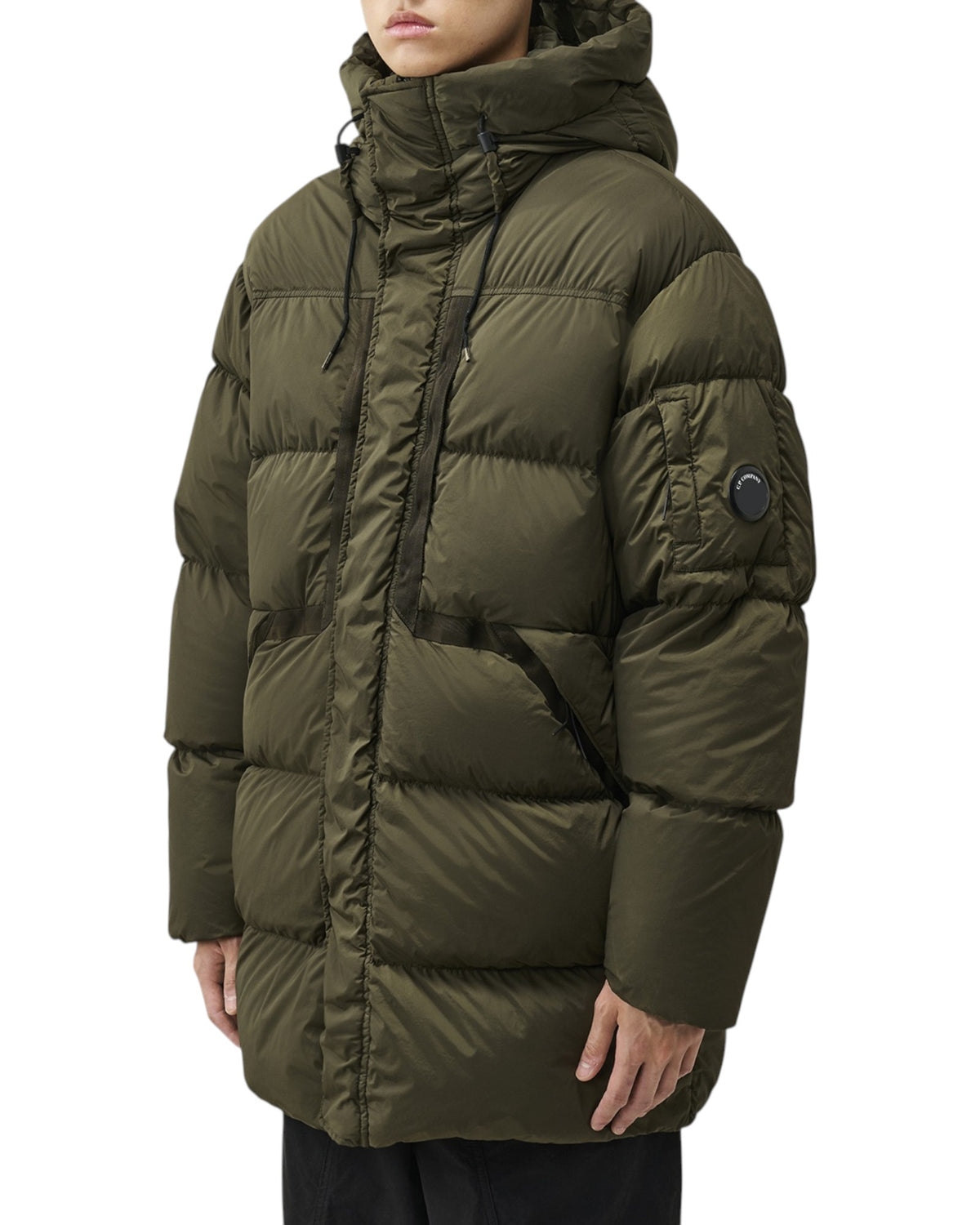
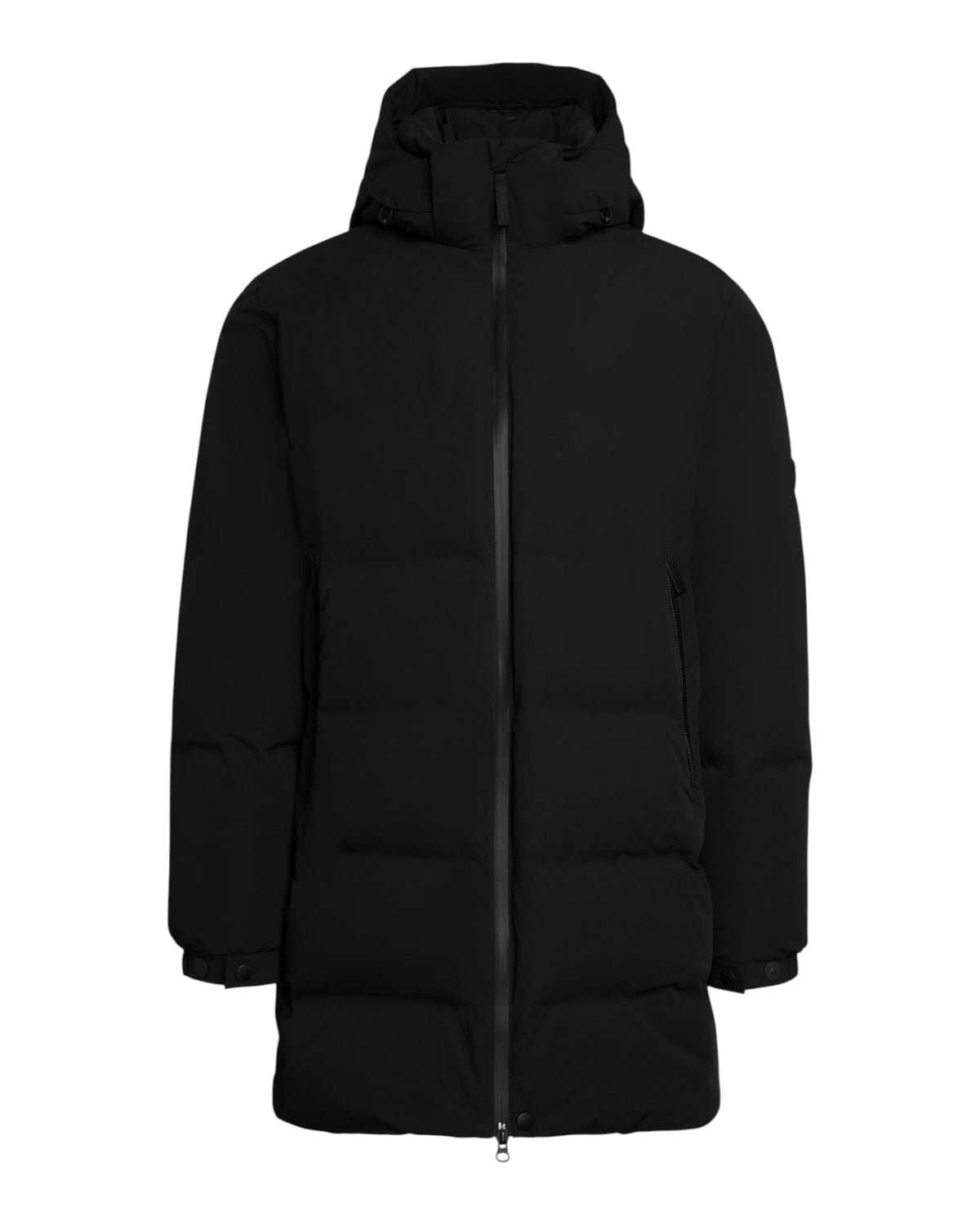
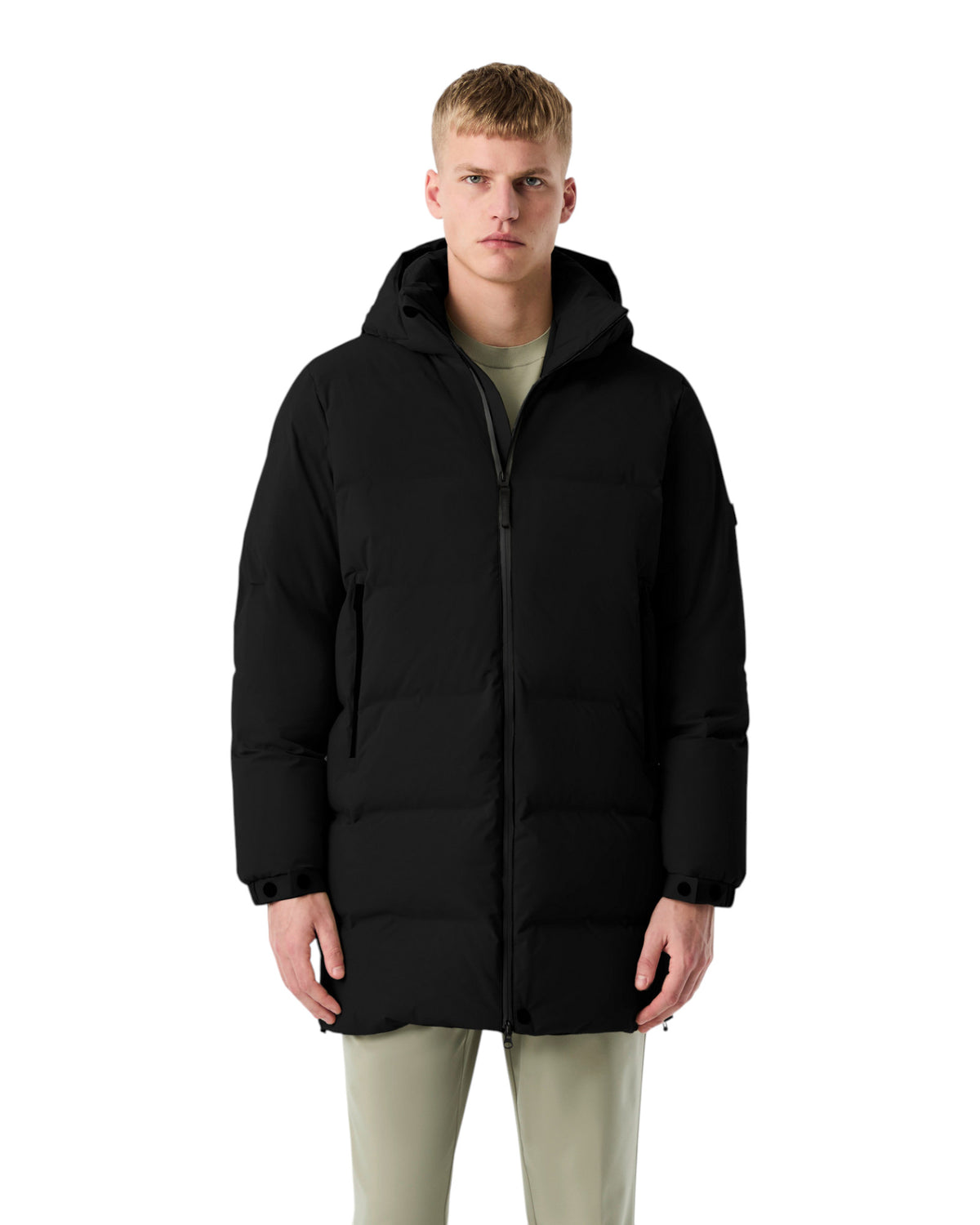
More length covers a larger part of the body and changes movement when walking or sitting. For longer periods spent outdoors, this can be comfortable, but the actual warmth also depends on the material and construction. Compare hem width, potential slits, and closures. A longer style should offer sufficient freedom of movement even when closed. Mentally try not only standing in front of the mirror, but also walking up stairs, sitting down, or carrying a bag over your shoulder.
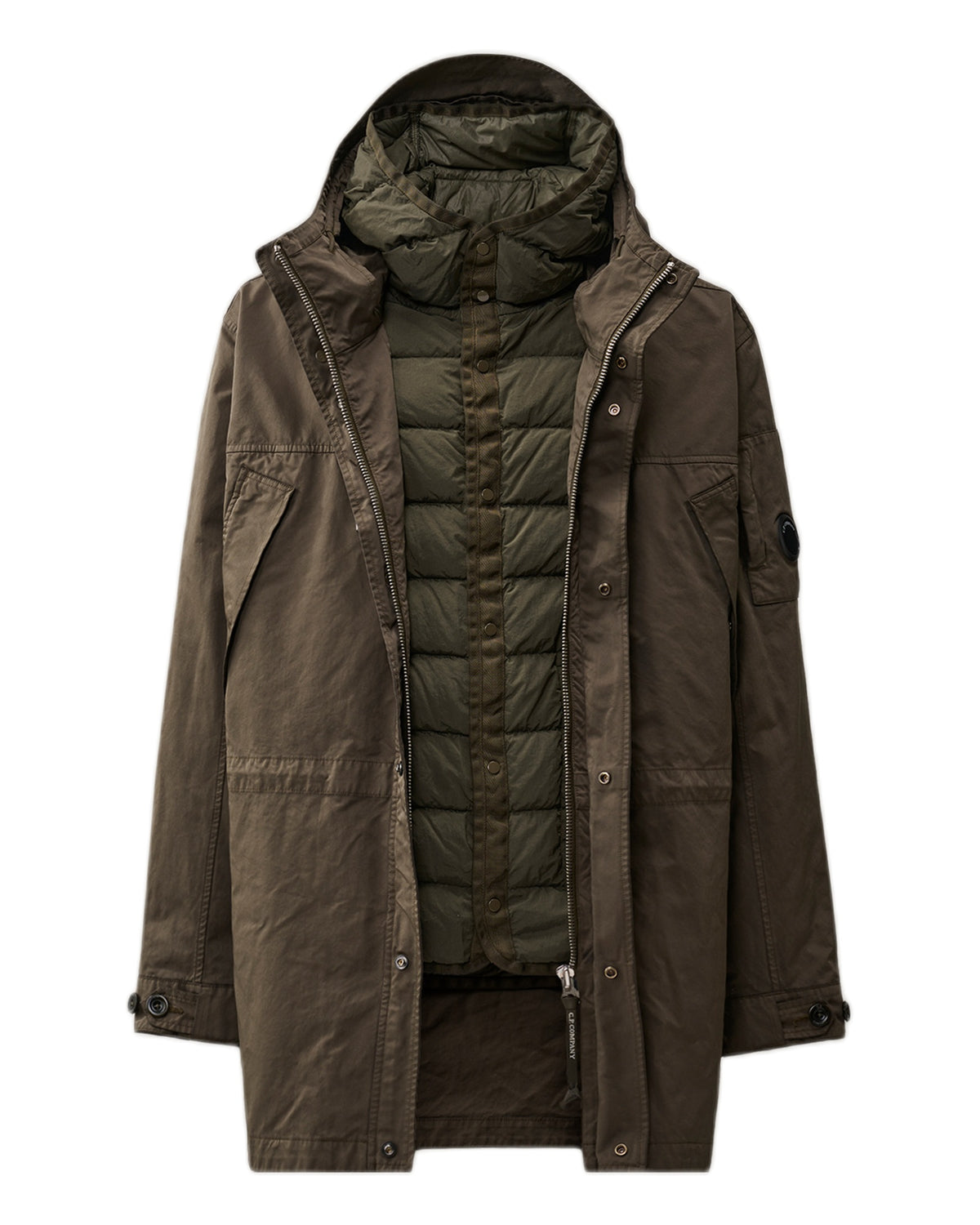
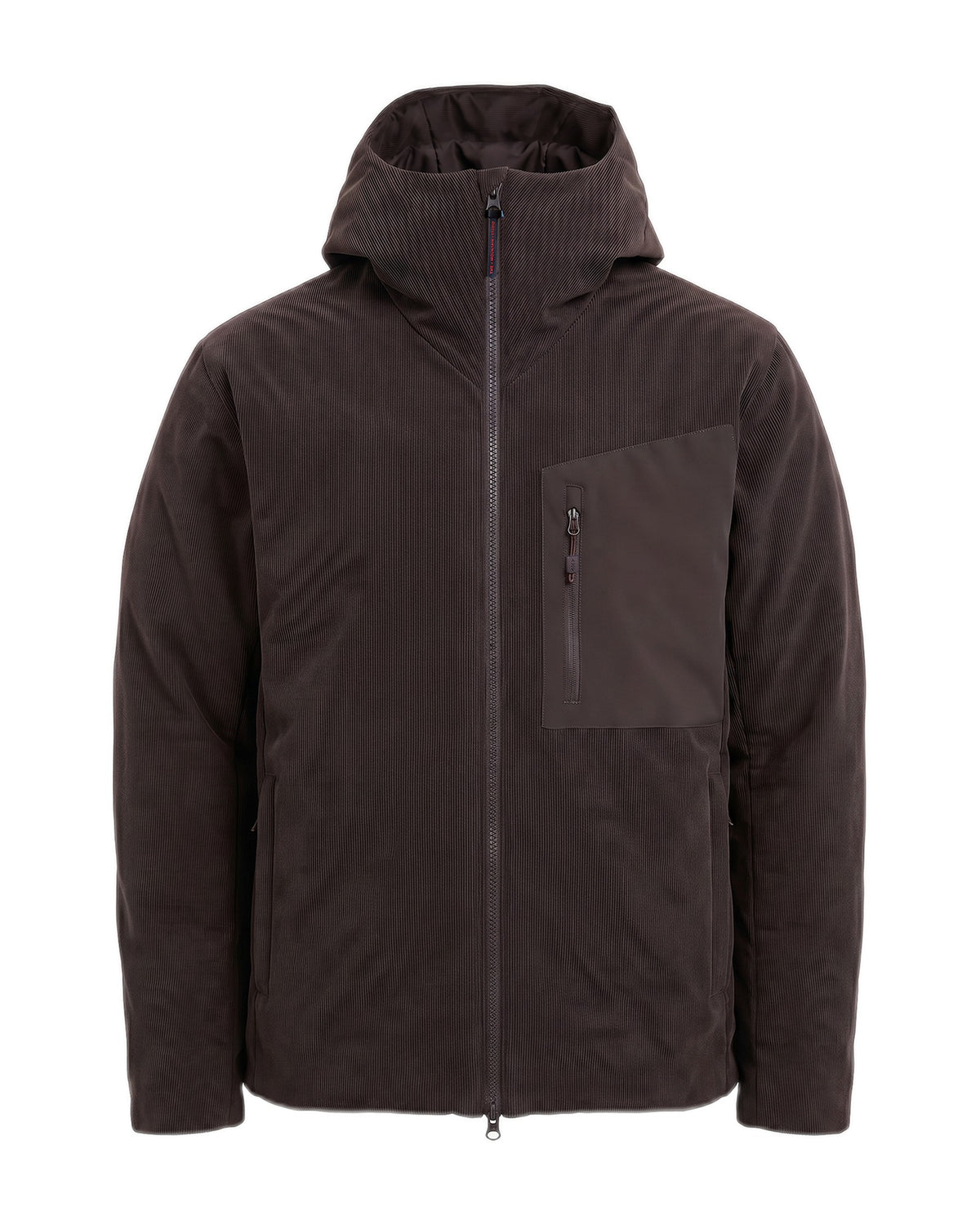
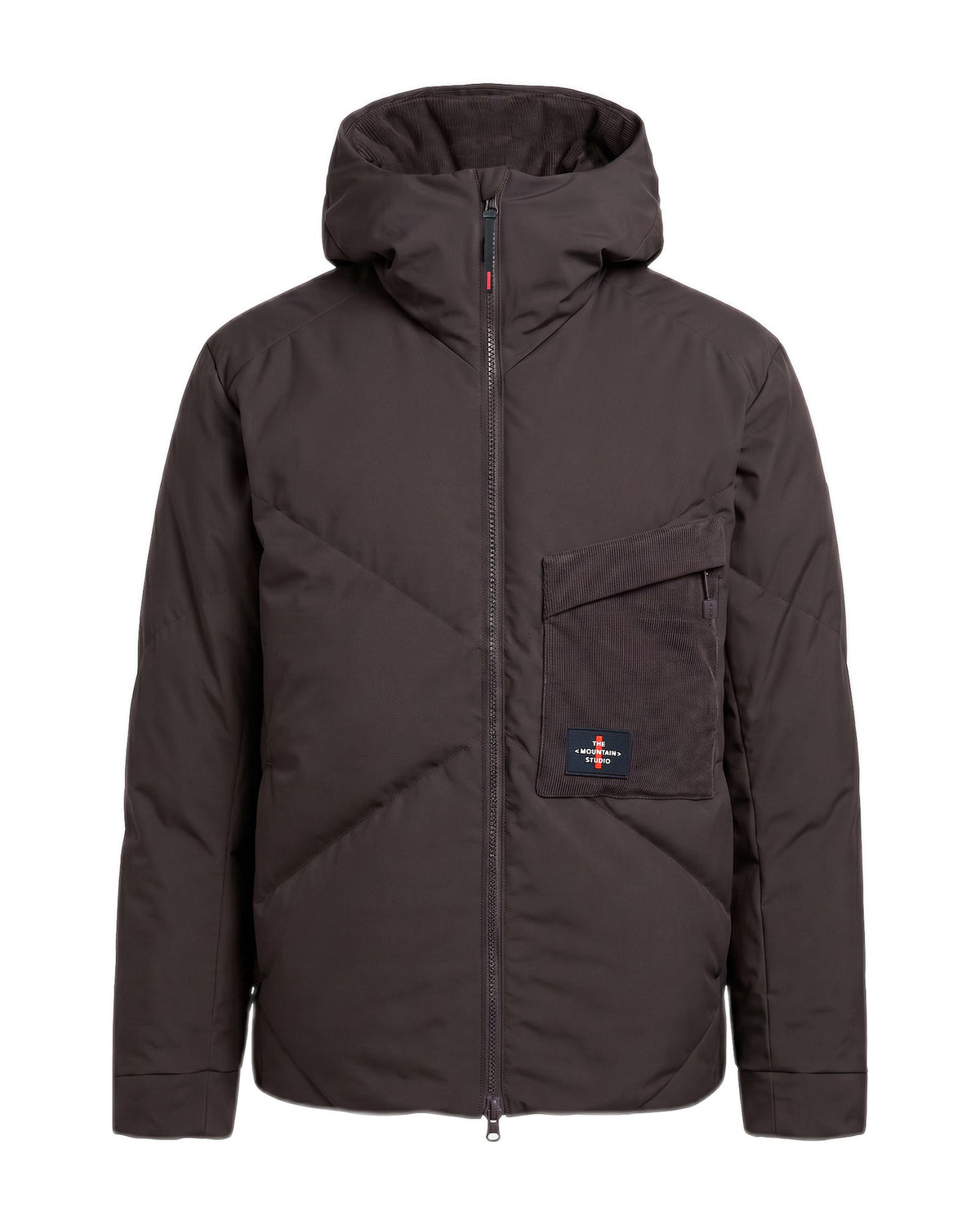
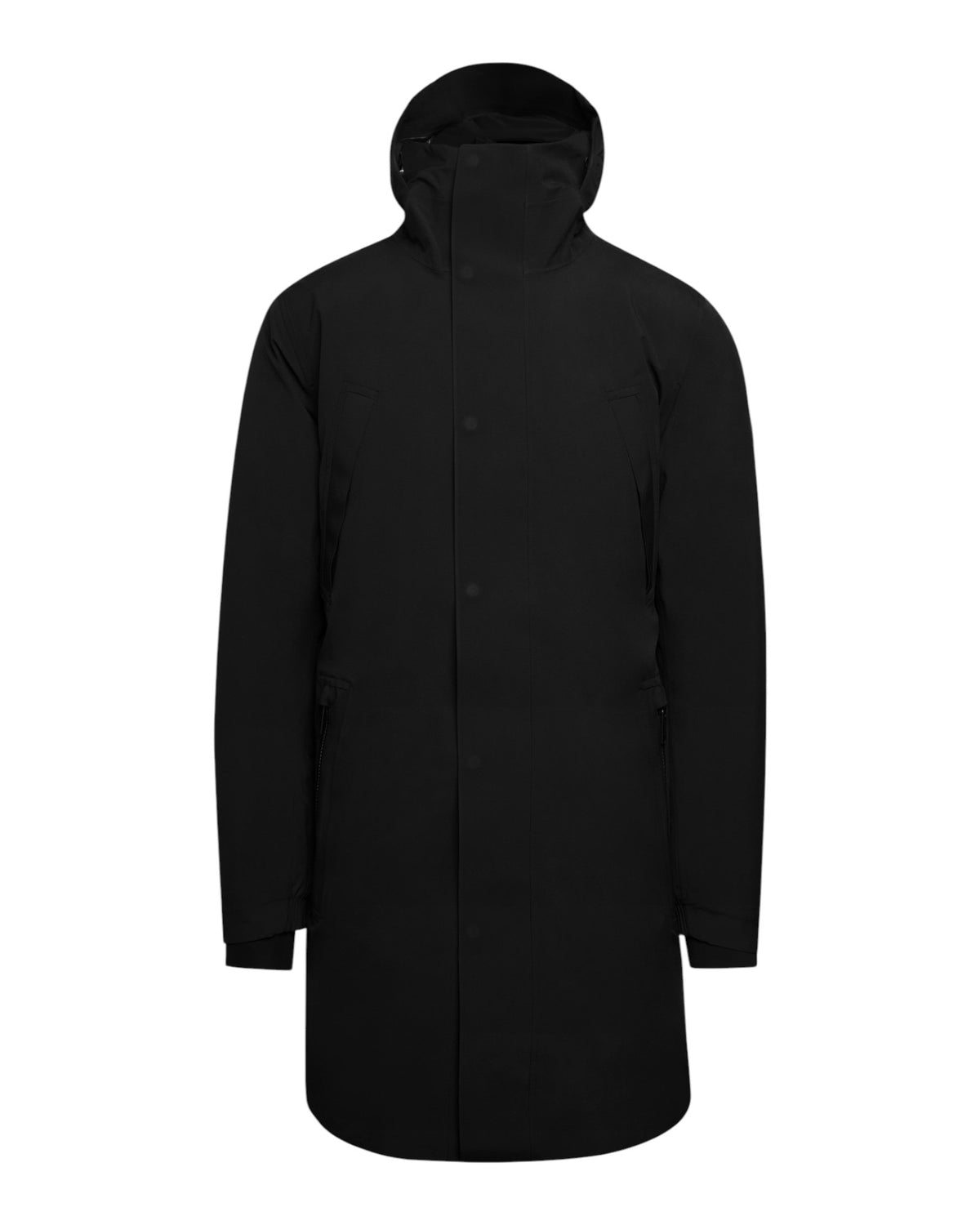
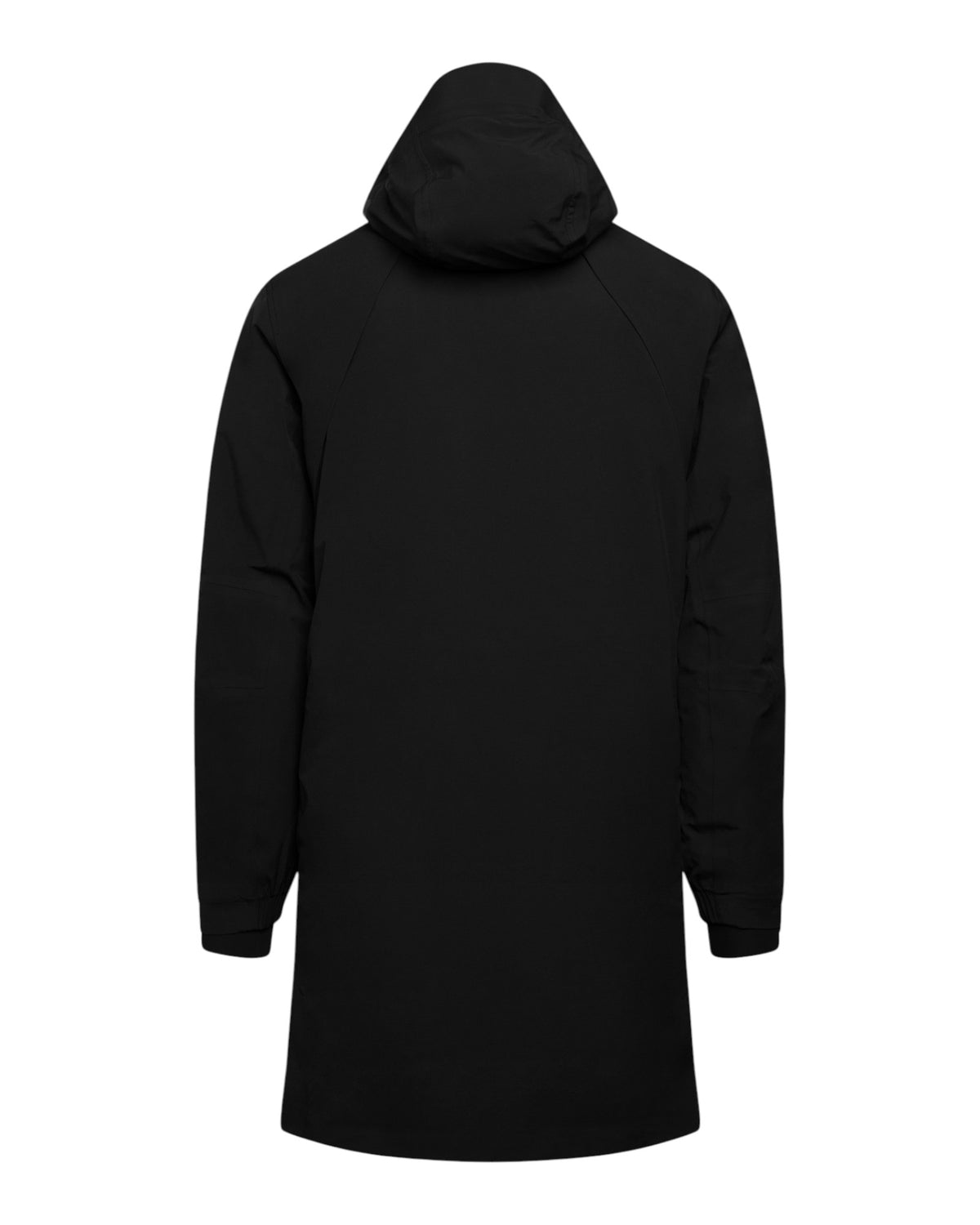
A hood, larger pockets, or a covered placket can define the character of a parka style. However, not every parka has the same filling or weather protection. Choose such details according to your daily life. A striking pocket solution can be design-wise interesting, while for frequent travel, an easily accessible, securely closing pocket might be more important. Form and function can be evaluated together, without generally classifying a specific jacket type as superior.
Transitional, Winter, and Changing Temperatures
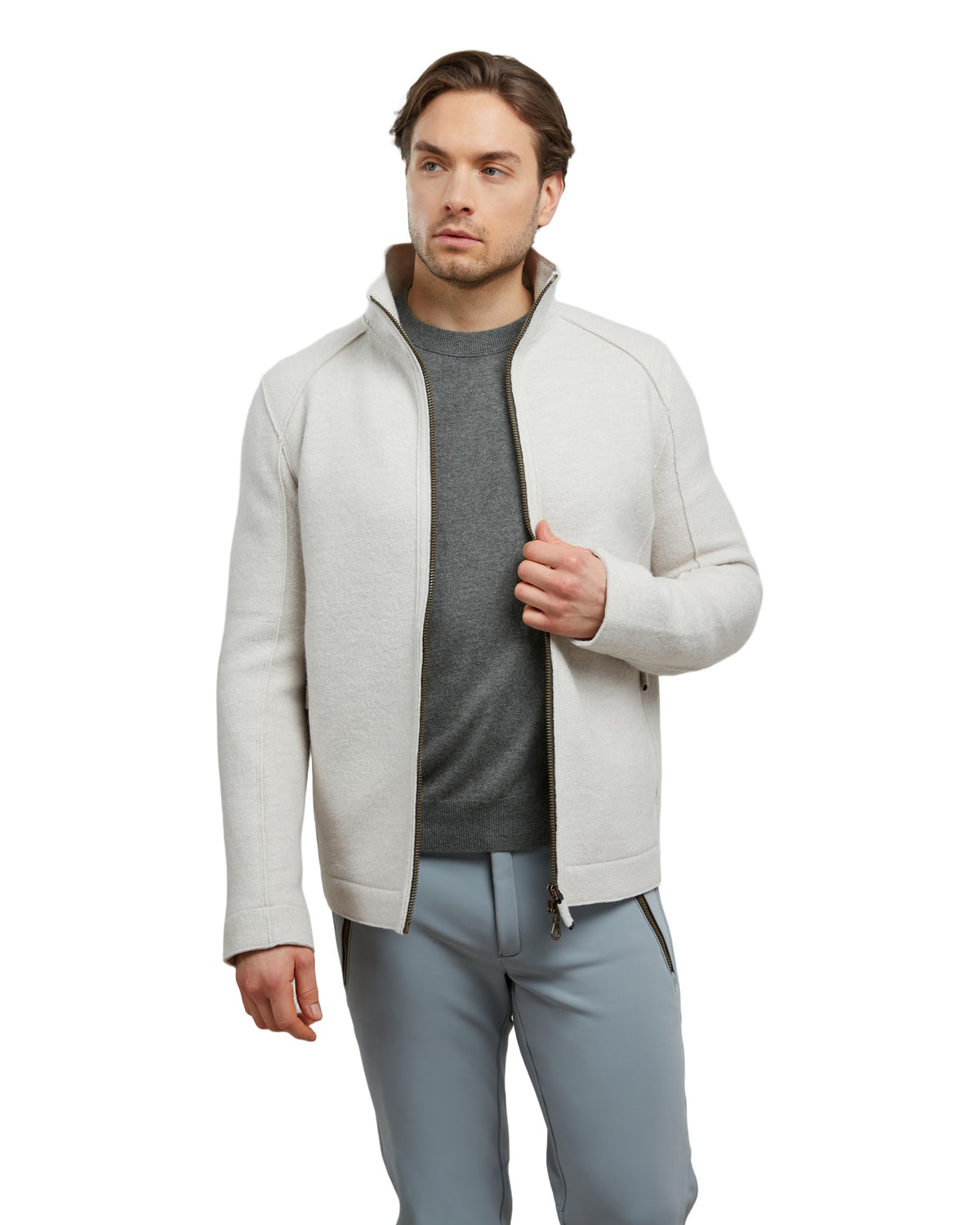
For transitional seasons, adaptability is often more important than maximum warmth. A lighter jacket can be combined with a T-shirt, shirt, or thin knitwear. If you're moving between heated indoors and cool outdoor air, an uncomplicated closure can be practical. Consider whether you'll wear the jacket frequently or carry it in your hand at times. Self-weight and packability then play a different role than for a predominantly stationary outdoor stay.
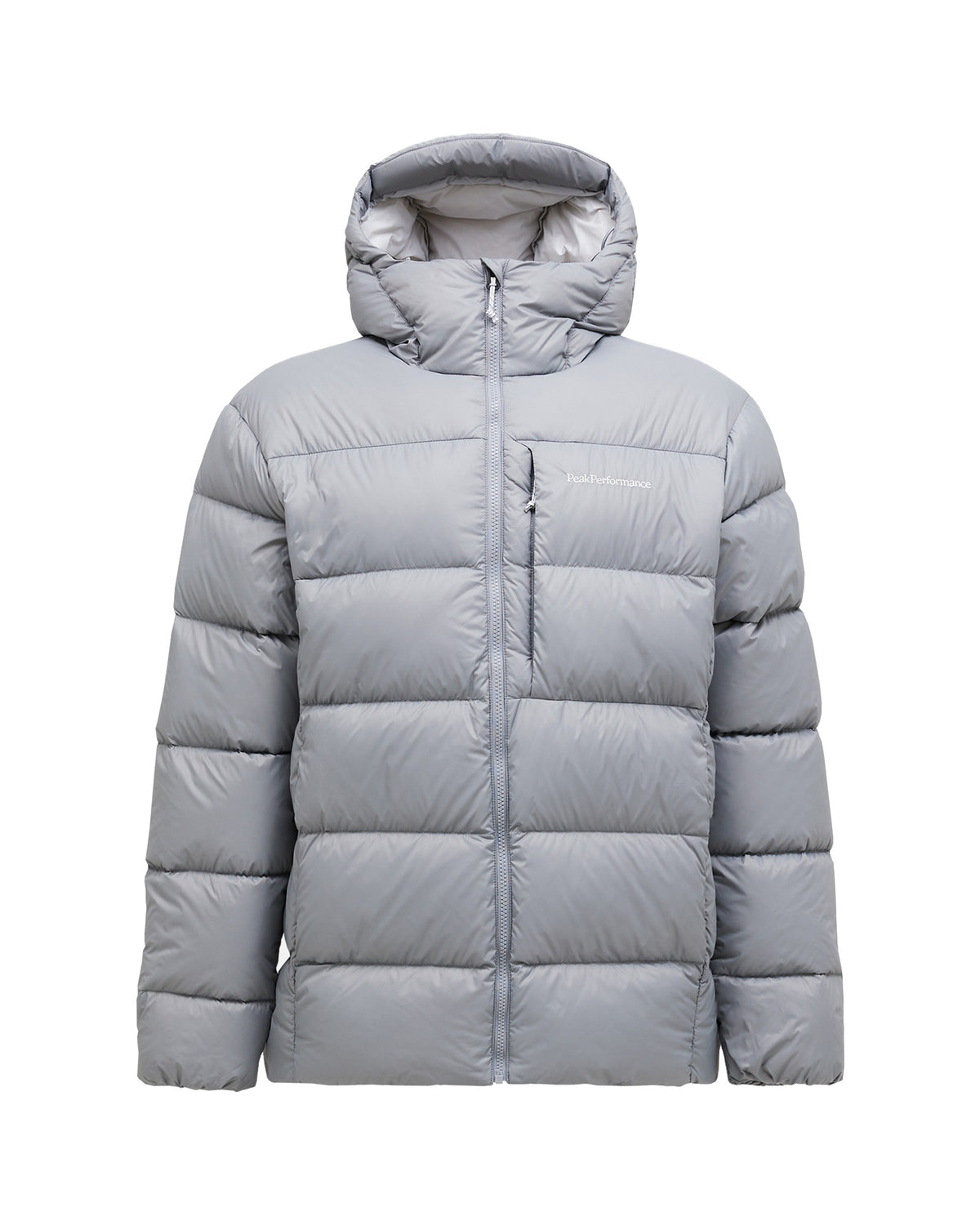
For a winter jacket, the interplay of insulation, covered area, and layers underneath is crucial. A thick appearance is not a reliable temperature gauge. Wind, movement, and your personal perception of warmth also influence how the jacket feels. Therefore, compare specifically described fillings and constructions without deriving a general comfort temperature from a single number. A jacket for an active city walk can be chosen differently than for longer, quiet waiting outdoors.
If you want to wear a jacket across multiple seasons, you should consciously consider the planned layers underneath. A sweater from the men's knitwear selection requires more space than a thin T-shirt. This particularly affects the shoulders, upper arms, and chest. Choosing a jacket to fit only with thin clothing and then expecting very thick layers underneath can easily lead to a restricted fit. Conversely, a sufficiently wide cut does not have to appear shapeless if the shoulders and length are right.
Consider Outer Fabric, Filling, and Lining Separately
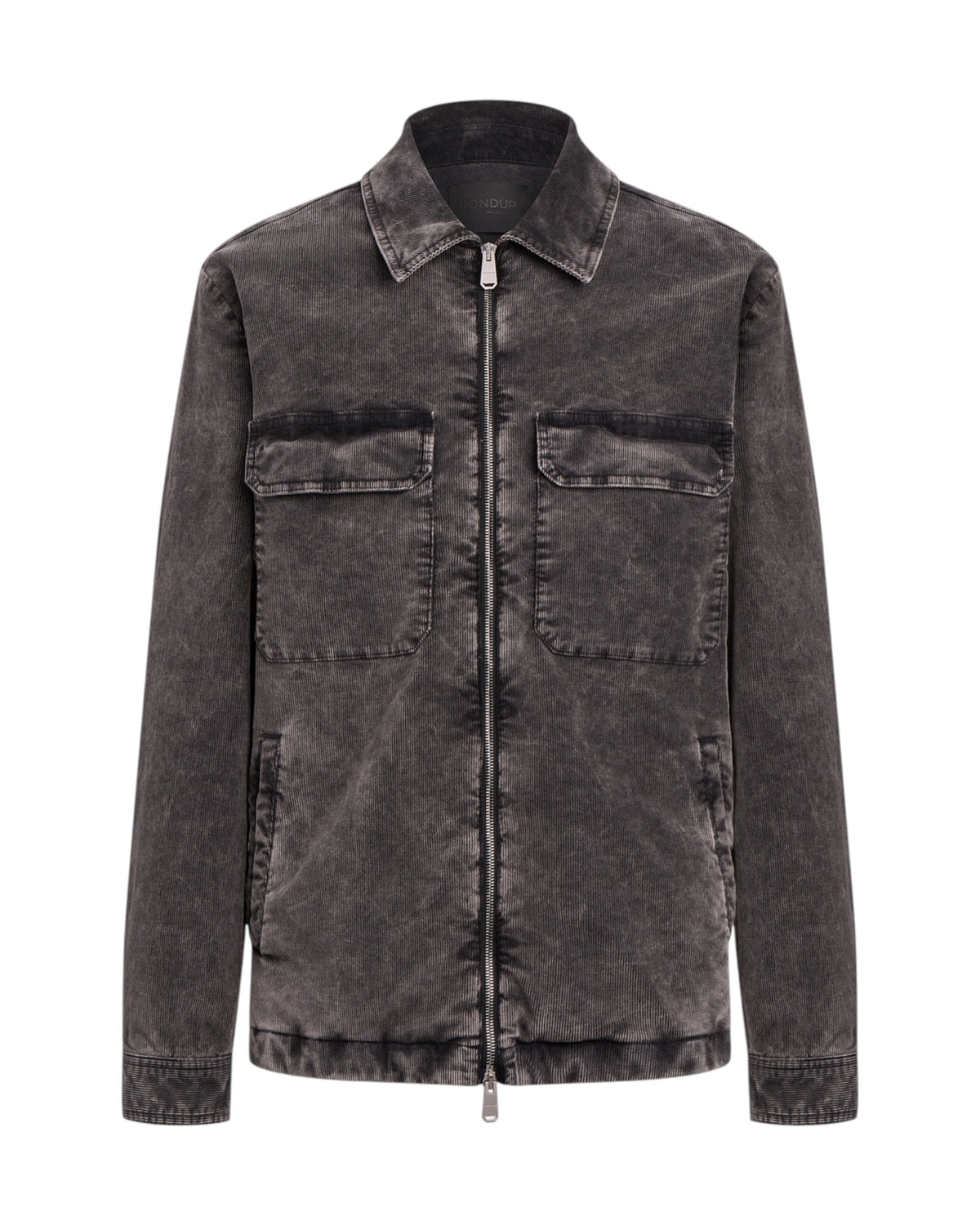
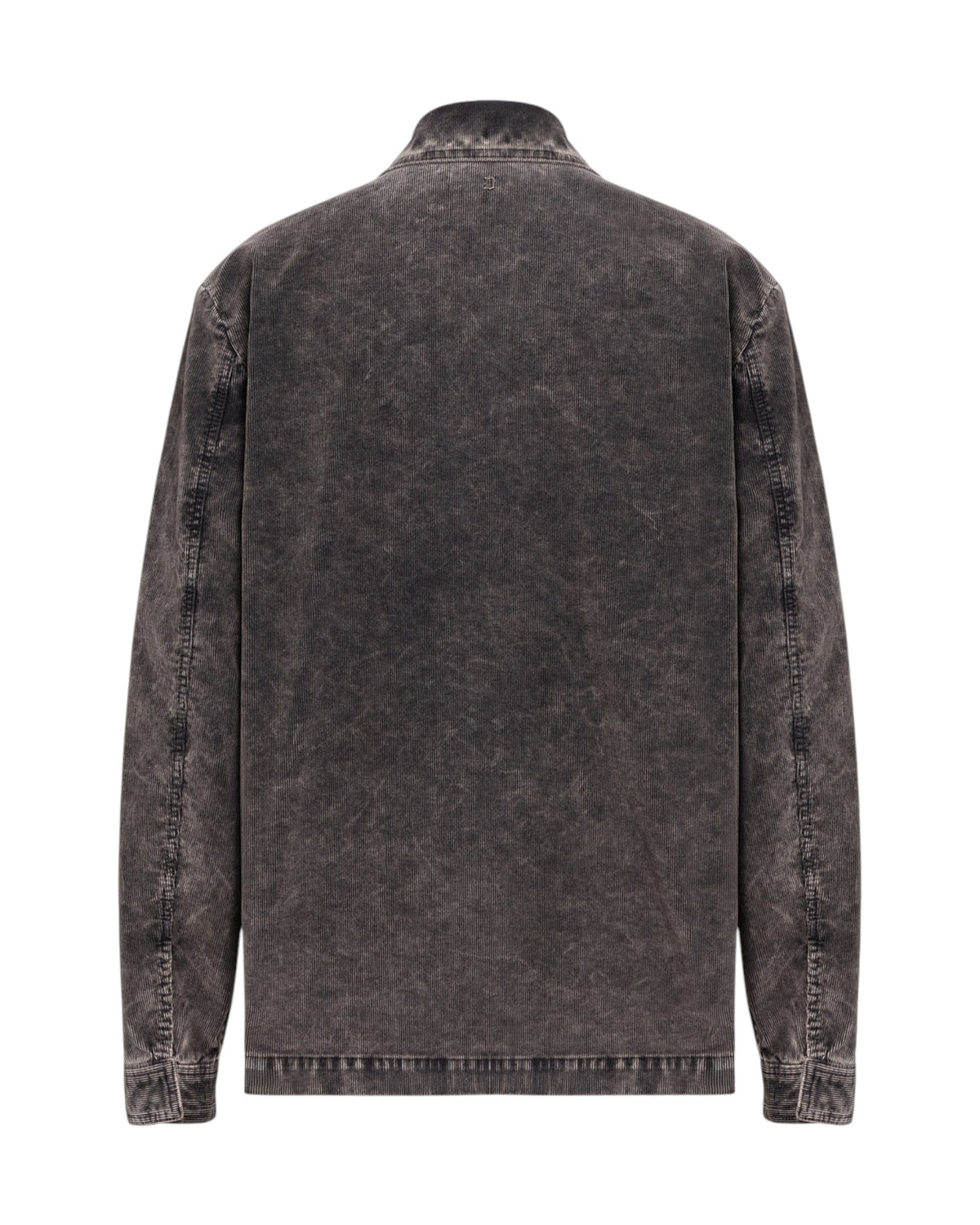
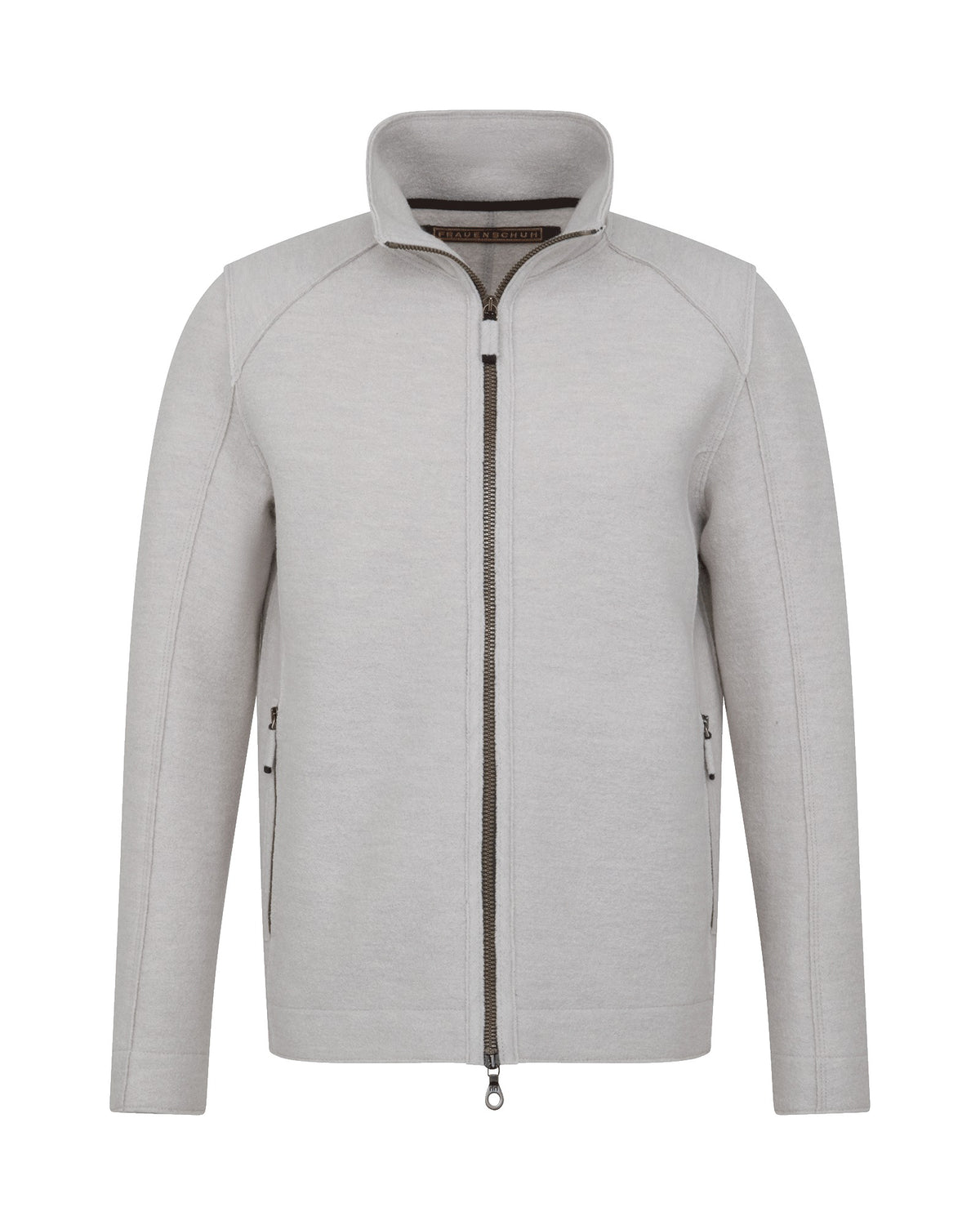
The outer fabric determines a large part of the visible character. A matte textile surface looks different from a smooth, shiny fabric or a distinctly textured quality. The feel and drape influence whether the jacket falls softly or maintains a defined shape. These differences are not just decorative: a firmer construction can feel different when sitting and moving than a very soft material. The more comfortable solution depends on your use and preferences.
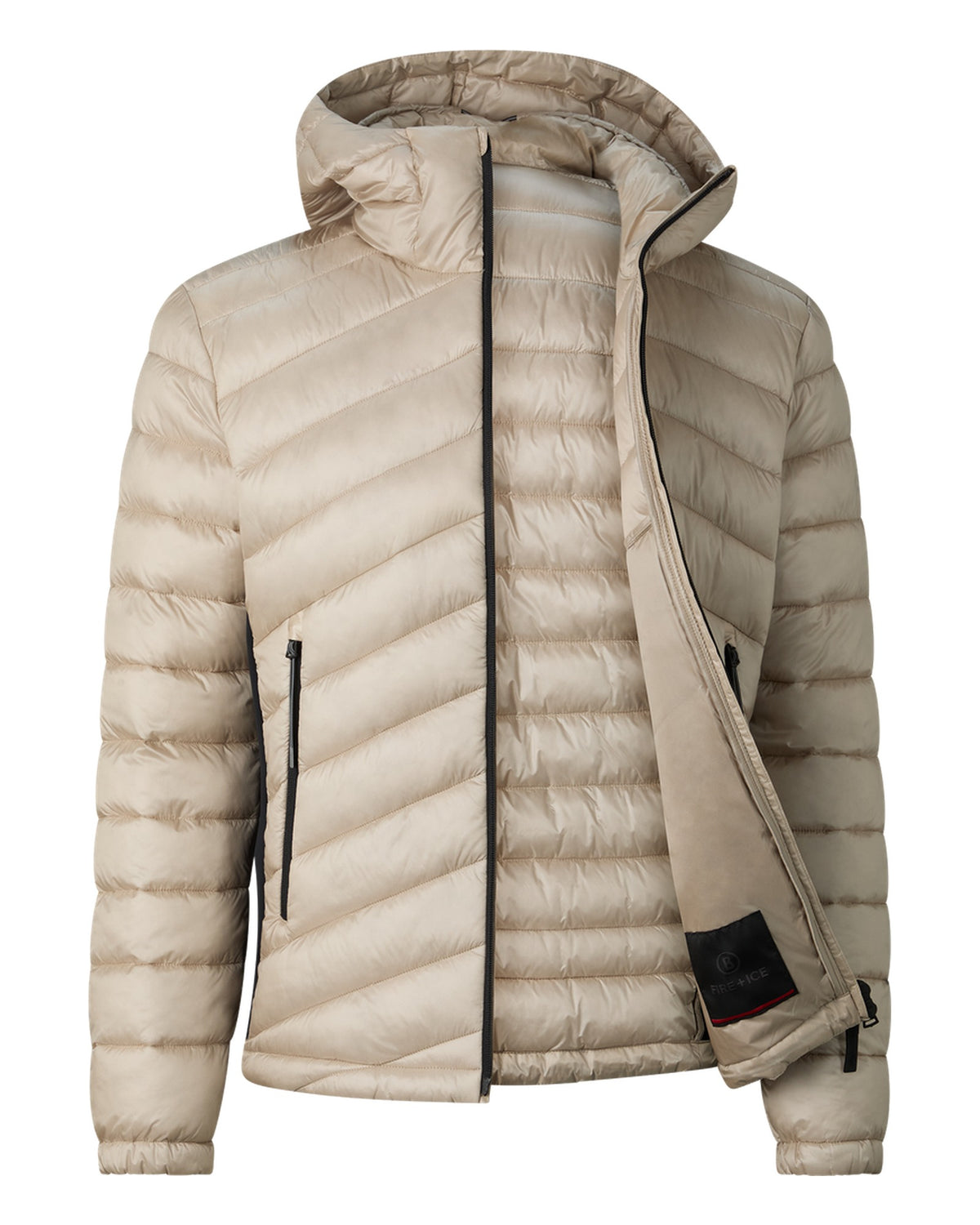
A filling performs a different function than the outer fabric. In appropriately equipped models, it can contribute warmth, while the outer layer shapes the surface and certain weather functions. A down or synthetic fiber filling does not automatically mean that the entire jacket is waterproof. Likewise, a shiny fabric is not proof of special insulation. Read the filling, outer material, and functional specifications as separate pieces of information that only together create a more complete picture.
The lining, among other things, influences how easily it slips over other clothing. Smooth inner surfaces can glide differently over a knit garment than more open structures. Sleeve shape and seam placement also play a role. If you frequently wear shirts or thicker knitwear, it's worth taking a look inside. A convincing external design does not yet answer how uncomplicated the jacket will be with your actual wardrobe.
Correctly Assessing Weather Resistance
Water-repellent and waterproof describe different requirements. A water-repellent surface can initially cause water to bead off; a general protection against continuous rain cannot be derived from this. For a jacket described as waterproof, both material and construction are relevant, such as seams and closures. Therefore, rely on the specific model description. A sporty shape or a technical brand name is not sufficient proof.
If weather-oriented protection without firmly planned strong insulation is the focus, men's hardshell jackets help with targeted selection. Such an outer layer belongs in a layering system and is not automatically a particularly warm winter jacket. In contrast, for a fashionable everyday model, a specific surface or silhouette can be the deciding factor. Separate these purchasing decisions so that you don't burden a beautiful jacket with demands for which it is not even designed.
Check Fit at Shoulders, Sleeves, and Back
The shoulder area gives a first impression of the cut. In a classic fit, it should not sit far out simply because you need extra room for a sweater. A consciously oversized cut, however, follows its own design. Compare this intention with the product images and measurements. A large size and an oversized cut are not automatically the same, even if both initially offer more width.
The sleeves should finish appropriately in your usual posture and not immediately slide far up when you move. Mentally lift your arms forward, reach into a pocket, and sit down with the zipper closed. If it pulls at your back or upper arm, the combination of cut and underlying clothing may be unsuitable. Comparing only the chest width is therefore insufficient. For longer styles, freedom of movement at the hem is also a factor.
The collar also deserves attention. A high closure can be comfortable if you are frequently outdoors; however, it should not press uncomfortably against your chin or neck. With a scarf or an additional layer, the space changes again. If you rarely use a hood, a more subtle collar solution can be stylistically and practically suitable. The decisive factor is which details you actually use in your daily life.
Pockets Where You Need Them
Consider what items you carry in your jacket. A phone needs a different compartment than hands you want to warm up briefly on the go. Side pockets can interfere with a backpack strap or the edge of a shoulder bag. Inside pockets are practical if certain items need to stay close to the body. Pay attention to the opening, closure, and accessibility when the jacket is closed. Many pockets are only an advantage if their arrangement suits your daily life and the filled compartments do not unpleasantly alter the desired silhouette.
Matching Jackets with Trousers and Shoes
A short jacket can balance wider-cut trousers, while a longer style emphasizes the vertical line more. The men's trousers offer different styles, from clear everyday combinations to more relaxed forms. Pay attention to the ratio of volumes: a lot of width on the torso and leg creates a deliberately loose look, while a more compact jacket creates more contrast. Choose a combination in which you can move and whose proportion you like.
Shoes also change the overall impression. Sneakers can make a clean jacket look more relaxed; robust winter boots visually match a longer winter style differently. You don't have to choose all pieces in exactly the same color. A recurring tone or a comparable surface character can be enough. If the jacket already has a striking pattern or strong sheen, calmer companions help to make it the focal point of the outfit.
Care and a Sensibly Complemented Wardrobe
Base the care on the outer material, filling, and the label of the specific model. Improper cleaning can affect several components differently. Therefore, a general washing rule for all men's jackets is not very helpful. Empty pockets before cleaning, pay attention to closures, and follow the prescribed procedures for drying or impregnation. A care product for a technical shell is not automatically suitable for every fashion jacket.
For a well-thought-out selection, a clear division of roles is worthwhile. Perhaps you lack a light jacket for changing days, a warmer style for longer journeys, or a model that visually complements your everyday combinations. First, choose this purpose and then compare length, layers, and material. In men's fashion, the jacket can then be combined with the pieces you actually want to wear frequently, instead of remaining an isolated individual decision.
04At FREUDENHAUS
05Questions about the category