


Völkl Skis: Bringing Together Model Family, Terrain, and Riding Style
A Völkl ski should match the descents you look forward to in winter. Model family, length, and geometry provide different indications for this. Compare the available versions at FREUDENHAUS Obertauern and focus on your usual use – from groomed slopes to changing snow conditions.



03Skis for your skiing style
Your skiing style
sets the direction.
Which Völkl ski suits your most common descents?
The Völkl brand world includes different ski families. Racetiger, Peregrine, and Mantra stand for different approaches and several specific designs. For a meaningful selection, you should first describe how you spend most of your ski days. Do you primarily ski on groomed snow? Are you looking for a sporty companion for deliberate turns? Or do you want a ski whose orientation includes several snow types? These answers will create a more accurate picture than simply looking for the most versatile model possible.
You can then compare the Völkl skis offered at FREUDENHAUS Obertauern according to this profile. Pay attention to the full name, length, and specifications of each version. Family names can span multiple generations. Therefore, a familiar name does not automatically confirm the same construction as a ski you previously used. Numbers and additions are also part of the item's identification. They help you compare different offers on the same basis and choose a targeted replacement or addition.
Racetiger: reading the sporty orientation more closely
Völkl offers various sporty and race-oriented skis under the Racetiger line. The manufacturer's overview includes SL, GS, SC, and other versions. This leads to an important distinction: Racetiger is a family, not a single ski with identical requirements everywhere. Therefore, read the exact model description. A hint of slalom or larger turns helps with orientation, but must be considered together with length, radius, and intended use. The visual similarity between models is not sufficient for a purchase decision.
If you prefer groomed slopes above all else, you can compare the suitable versions with the piste ski category. Be honest about how actively you want to ski and how long you can maintain this style throughout the day. A very demanding setup is only useful if it matches your skill and goals. For specific race use, the rules of the respective discipline also apply; a sporty product name alone does not confirm specific competitive suitability.
Peregrine: deliberately graduating within a family
The Peregrine overview from Völkl contains several versions, for example, with different width specifications and additions such as Master or V-Werks. This variety alone shows why the family name is only the beginning of the comparison. Evaluate the specific construction and intended use description, rather than deriving a complete riding behavior from a number alone. The question is what tuning you are looking for: a clear focus on your preferred surface or a different range within the offered models. The complete article provides the crucial information.
When comparing, your previous ski can be a good reference. Note whether you want, for example, easier edge changes, different support for larger turns, or more comfortable behavior when your strength wanes. These observations can be discussed better than the general statement that the next ski should simply be better. Then check whether the characteristics of the Peregrine model in question match these wishes. A higher-positioned addition in the name does not automatically mean greater benefit for your personal use.
Mantra: All-Mountain as a specific focus
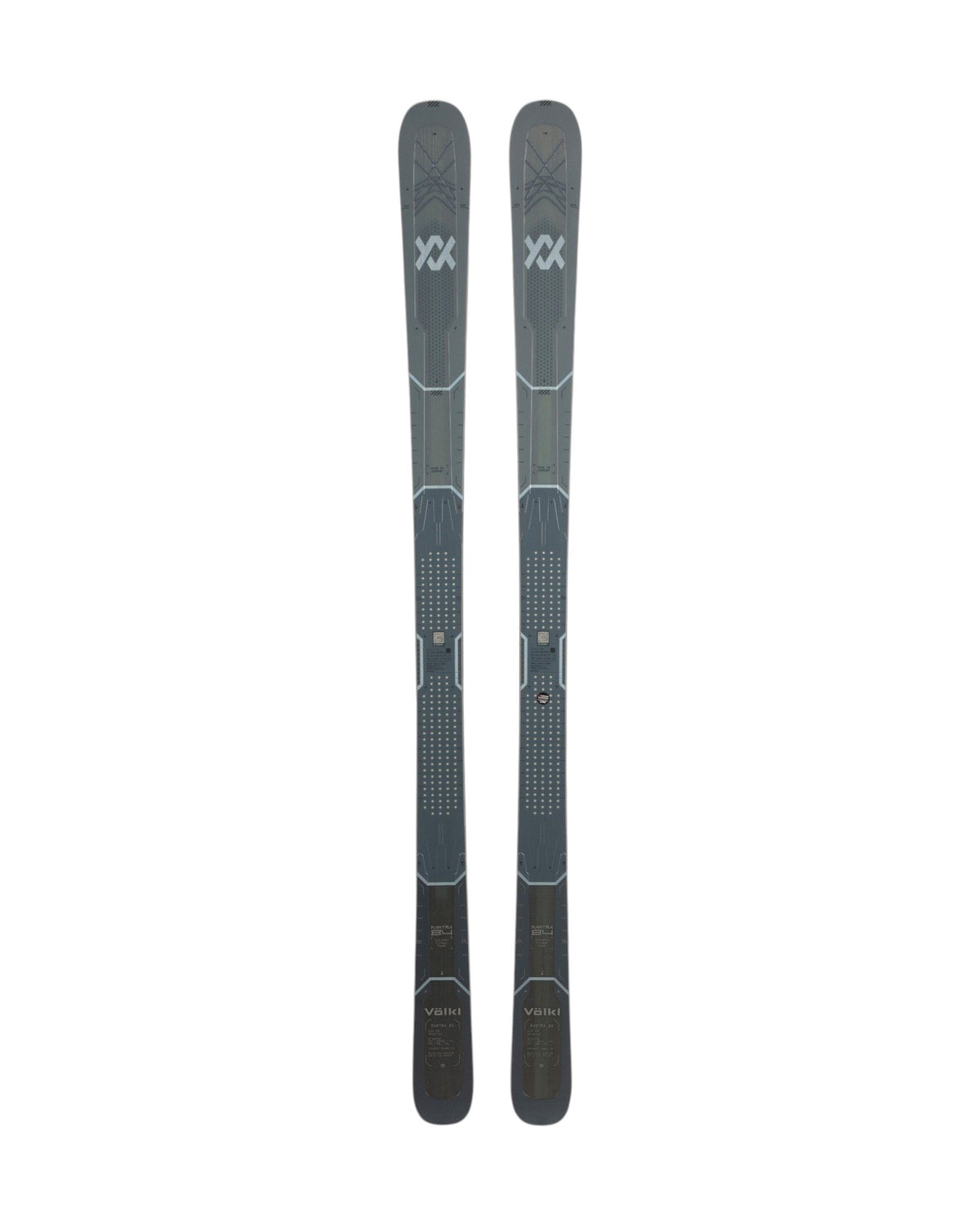
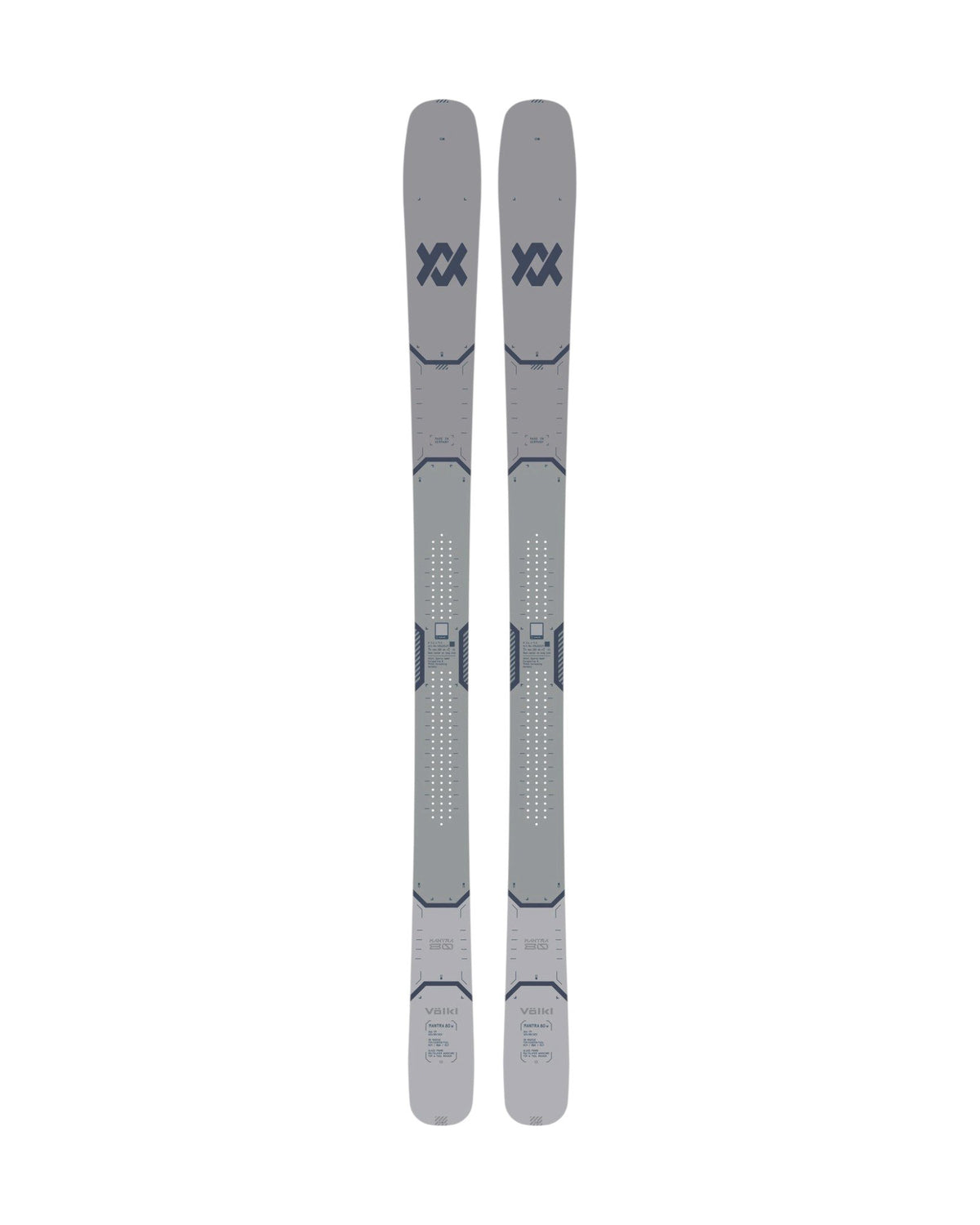
Völkl describes the Mantra family with an All-Mountain orientation. Here too, the individual versions differ. The manufacturer's overview includes several widths and correspondingly designated W models. All-Mountain does not mean that every ski has the same strengths under all conditions. What remains crucial is which snow types and terrain you actually want to use. A ski for changing surfaces must therefore always be considered together with your skill and the focus of your ski days. The family name provides the direction, the individual version the more precise tuning.
In the selection of All-Mountain skis, you can further categorize this direction. Consider whether you primarily stay on the piste and experience different snow surfaces or whether you have a significantly different terrain focus. A greater width is not a general quality feature. It changes the trade-off between different requirements. For a specifically different use, the Freeride ski category is available as a separate comparison. Suitability for off-piste terrain does not replace corresponding experience and preparation.
Do not evaluate length, width, and radius in isolation
Technical ski data initially appears as a clear series of numbers. However, their meaning only emerges in context. The length influences the overall geometry and must match body type, skiing ability, and use. The radius belongs to a specific design and length. The width provides another indication of the focus, but says little about the overall construction on its own. When comparing two Völkl offers, pay attention to which specifications actually apply to the selected length and which only describe a different variant.
The desired turn shape is also not a purely mathematical decision. Your skiing style, snow conditions, and how you load the ski all play a role. A specified radius does not dictate that you exclusively make turns of exactly that size. Therefore, use technical data to better understand differences. They should make your selection comprehensible and not declare a single number to be the seemingly most important characteristic. A harmonious combination of model and length is more meaningful than an isolated comparison of the largest or smallest possible values.
Women's models and individual requirements
When choosing between different Völkl versions, body weight, strength, experience, and preferred length are important criteria. A 'W' designation may indicate a corresponding model variant, but it does not replace a review of its properties. Similarly, technical suitability cannot be derived from the color. Compare the actual data and the intended use. It is crucial that the ski suits your requirements. A blanket recommendation based solely on gender would oversimplify the differences between individual female and male skiers.
This also applies to re-entry or switching from rented to personal equipment. Take your previous experiences seriously: what length did you ski, under what conditions did you feel safe, and when did it become strenuous? Such observations help to find a suitable starting point. You don't have to artificially assign yourself to a higher performance level. A ski tailored to your actual abilities can be a more sensible choice than a model whose demands primarily correspond to an idealized image.
Check scope of delivery, binding, and existing boots
Völkl offers can differ in their scope of delivery. Check whether the specific version is offered as a ski without binding, with a particular system, or as a described set. Terms and images must match the selected variant. An existing binding cannot be easily transferred to every new model. Design, mounting options, and approvals are decisive for this. You can compare suitable types via the selection of ski bindings, but the exact technical combination requires expert assessment.
Also include your ski boot from the beginning. Its sole type, the corresponding marking, and the sole length are relevant for a suitable binding combination. The normal shoe size is not sufficient information. If you select boots and skis at the same time, you should coordinate both decisions. Mounting, adjustment, and testing of the binding are not mere formalities after purchase. Plan them as a necessary part of the equipment before you hit the slopes with the new combination.
Consider care and seasonal changes
The selection doesn't end with the first descent. Bases and edges change with use and require appropriate care. Dry skis before prolonged storage and observe the equipment instructions. Visible damage or noticeable changes when skiing should be checked. A general brand text can neither determine individual service needs nor establish fixed maintenance intervals for every use. The frequency, conditions, and actual condition of your skis are decisive.
For the seasonal change, it is helpful to document the complete model specifications and the binding used. If questions about replacement or compatibility arise later, you will have a reliable basis. Also, check transport bags for the actual length of the equipment and do not store damp parts permanently enclosed. These simple considerations are as much a part of handling your equipment as choosing a suitable model family. They help to keep your equipment organized and traceable, even between ski days.
Your Völkl selection at FREUDENHAUS Obertauern
Finally, determine what task the new ski should fulfill: replacement for a proven piste ski, a different focus for changing conditions, or a targeted addition. Compare the offered Völkl models by full name, length, use description, and scope of delivery. Keep your previous experiences and information about existing boots ready. This way, the choice between Racetiger, Peregrine, Mantra, and other versions becomes a decision based on your own ski days.
04This brand at FREUDENHAUS
05Questions about the brand